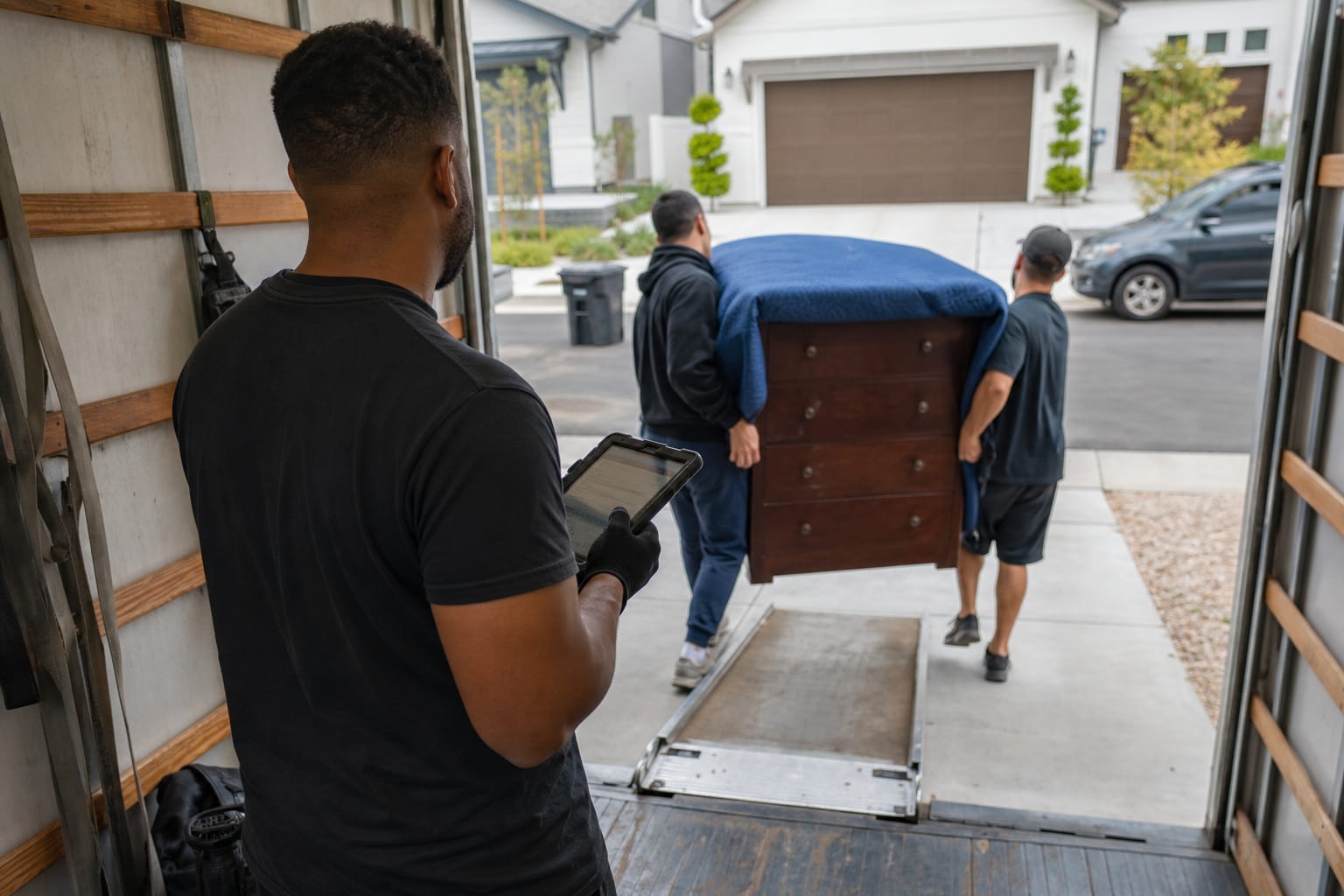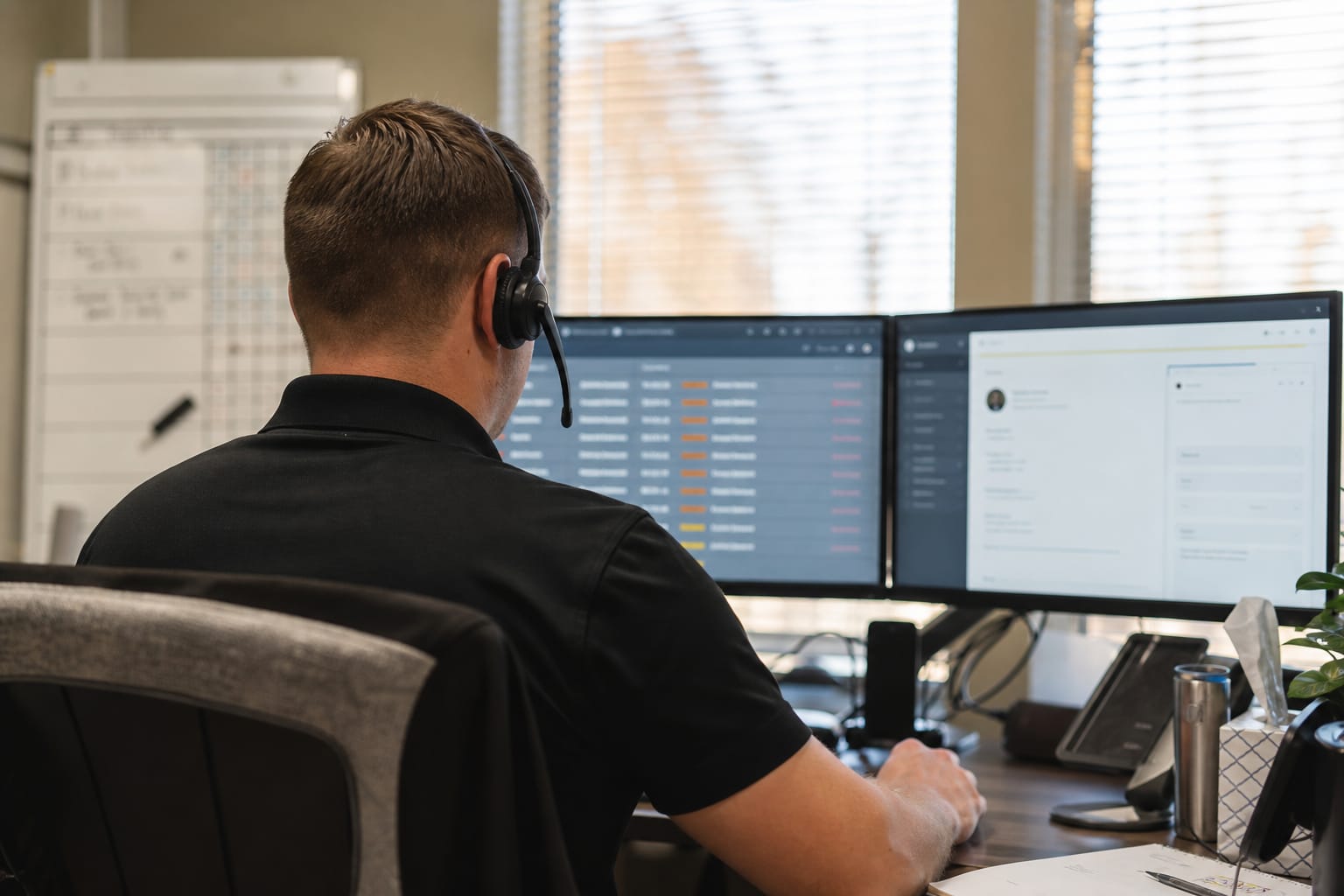

Traditional in-home moving estimates send a surveyor to a customer's home to catalog belongings in person, while AI video surveys let customers walk through their home on camera so software builds the inventory remotely. Both produce a cubic-foot estimate. They differ sharply in speed, cost, and reach.
The method you pick shapes how fast you quote, how many leads you close, and how much each survey costs to run. This comparison breaks down the in-home moving estimate vs video survey debate across accuracy, speed, cost, and customer experience, so you can decide which fits your operation.
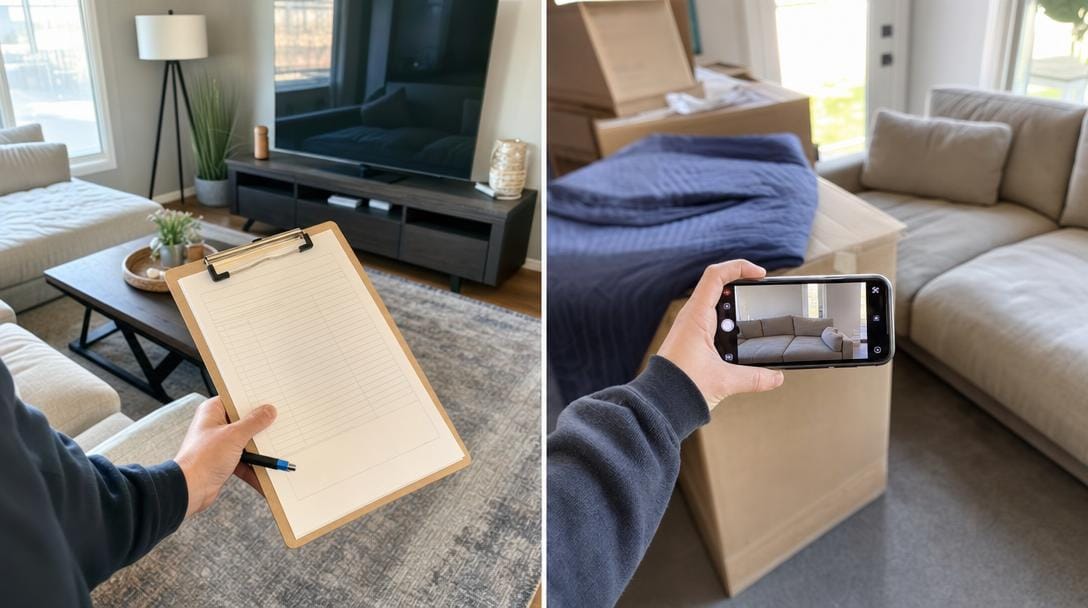
Why the Estimate Method You Choose Shapes Your Bottom Line
Every booked job starts with an estimate. The speed and quality of that estimate directly influence whether a prospect signs with you or the next mover who calls back first.
Speed matters because moving is a shopping-around purchase. The Federal Motor Carrier Safety Administration advises consumers to collect multiple written estimates before booking, which means you are almost always competing head-to-head.
The estimate method is no longer a back-office detail. It is a competitive lever that affects your booking rate, your labor costs, and your ability to serve customers outside your immediate service area.
Q: Do movers have to provide a written estimate?
A: Yes. The FMCSA requires interstate household-goods movers to give customers a written, dated estimate, whether the survey happens in person or over video.
How Traditional In-Home Estimates Work
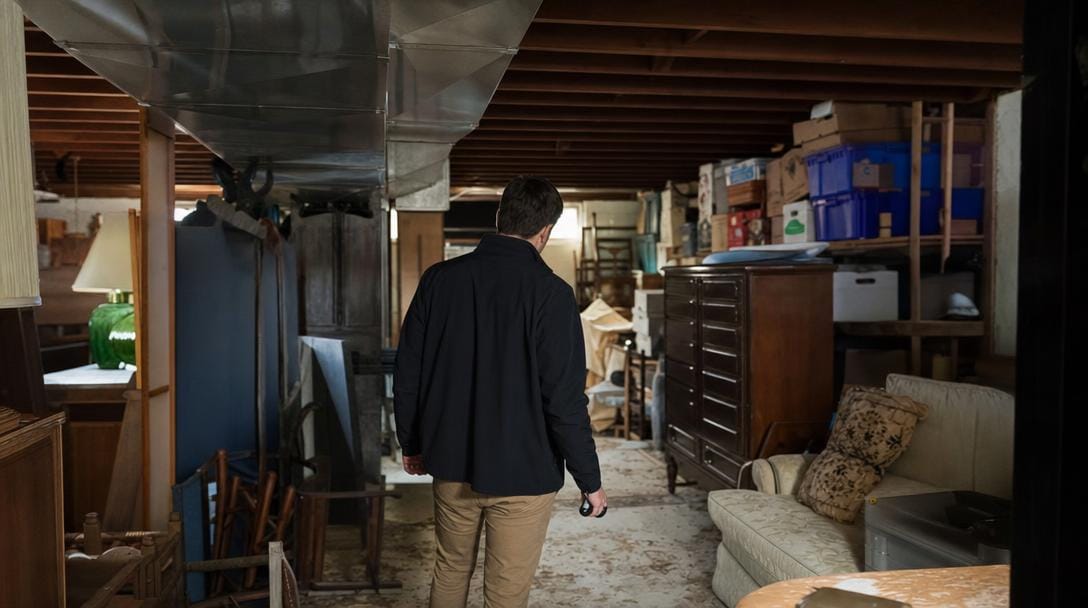
A traditional in-home estimate is exactly what it sounds like. A trained surveyor drives to the customer's residence, walks through each room, and records an inventory of furniture, boxes, and special items to calculate weight or cubic footage.
The surveyor also notes access challenges: narrow staircases, long carries, elevator reservations, and parking limits. These details feed directly into the crew size, truck size, and price.
The strength here is physical presence. A skilled estimator can open a closet, spot the piano in the basement, and gauge fragile items that a customer might forget to mention.
The trade-off is time and reach. Each visit consumes travel time, a scheduling slot, and a paid staff member. Among the common moving company estimate types, the in-home survey is the most resource-intensive to deliver at scale.
Pro Tip: Track the true cost of each in-home visit, including drive time and no-shows, not just the estimator's hourly wage. Many operators discover the fully loaded cost is double what they assumed.
Inside the AI Video Survey Process
An AI video survey flips the model. The customer uses their smartphone to record a guided walkthrough of their home, either live with an agent or as a self-serve recording, and software identifies items to build the inventory.
Modern platforms detect furniture, estimate volume, and flag access notes automatically. The estimator reviews and adjusts the results rather than building the list from scratch.
This is the core of the virtual moving estimate vs in-person shift. The survey happens anywhere, anytime, without a truck or a two-hour appointment window. Our step-by-step guide to conducting a virtual pre-move survey walks through the full workflow.
Speed is the headline benefit. A remote walkthrough can be completed the same hour a lead comes in, which matters because response time is one of the strongest predictors of booking. In one composite case study, a moving operator cut average lead response time from 6 hours to 22 minutes using automated task assignments and mobile notifications.
Q: How accurate is a video survey compared to an in-home estimate?
A: When the walkthrough is complete and well-lit, AI video surveys produce cubic-foot estimates comparable to in-person surveys; accuracy drops mainly when customers skip rooms or closets.
Head-to-Head: Accuracy, Speed, Cost, and Customer Experience
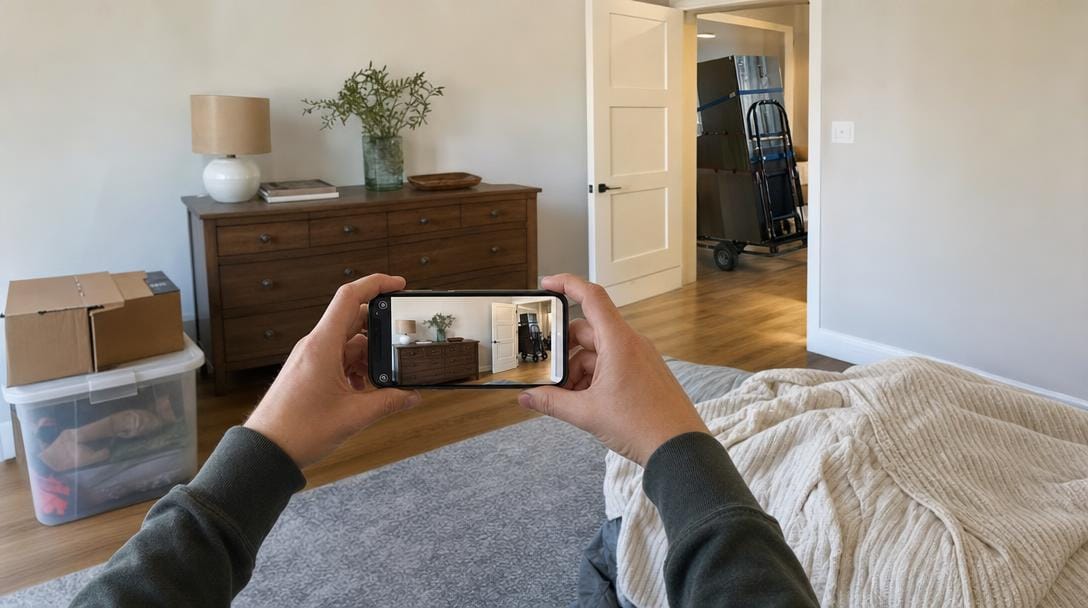
The honest answer to the moving survey methods comparison question is that neither method wins every category. Each has a clear edge in specific conditions.
Here is a direct breakdown across the four factors that matter most to an operator.
| Criteria | Traditional In-Home Estimate | AI Video Survey |
|---|---|---|
| Turnaround time | Days (scheduling required) | Same hour to same day |
| Cost per survey | High (travel + staff time) | Low (no travel, faster review) |
| Geographic reach | Local service area only | Any location with a phone |
| Accuracy driver | Estimator's on-site judgment | Walkthrough completeness + AI |
| Best for | Complex, high-value moves | High-volume, out-of-area leads |
On video survey moving estimate accuracy, the deciding variable is walkthrough quality, not the technology itself. A thorough, well-lit recording that covers every room, closet, garage, and attic gives the software the data it needs to match in-person results.
Cost tells its own story. The cost of in-home moving surveys includes fuel, vehicle wear, and an estimator's salaried hours per visit. Video surveys remove the travel entirely, which is why high-volume movers lean on them to protect margins.
Virtual Estimate can help: Our AI video survey and built-in CRM let your team quote remotely in minutes and follow up automatically so no lead goes cold. Learn more →
When an In-Home Estimate Still Makes Sense
Video has not made the in-person visit obsolete. Certain jobs still reward a physical walkthrough, and pretending otherwise costs you accuracy.
Consider keeping the in-home option for these scenarios:
- High-value or specialty moves — antiques, art collections, pianos, and gun safes where a misjudged item creates real liability.
- Large, complex homes — 4,000-plus square feet with basements, attics, and outbuildings that are hard to capture on a single recording.
- Low-tech customers — clients who are uncomfortable filming a walkthrough or lack a reliable smartphone connection.
- Commercial and office moves — where the layout, IT equipment, and access logistics demand an on-site assessment.
Think of the in-home visit as a premium tier rather than the default. For the jobs above, the extra cost buys accuracy you cannot afford to lose.
Pro Tip: Reserve in-home visits for moves above a set dollar threshold or cubic-foot size. Route everything below that line to a video survey to keep your estimators focused on the jobs where their expertise pays off.
AI Video Surveys: The Better Choice for High-Volume Movers
For most local and long-distance residential leads, the video survey is now the smarter default. The economics and the speed advantage are hard to ignore.
When you are weighing in-home estimate alternatives, the video survey is the most proven, because it preserves the visual inventory step while removing the travel bottleneck. That combination lets a single estimator handle far more leads per day.
The speed benefit compounds into booking rate. In the same composite case study, structured lead tracking and faster follow-up helped lift the booking rate from 28% to 41% over the tracked period. Faster estimates are a direct input to that kind of gain.
Scale is the other advantage. Video surveys let you quote a customer relocating from another state without dispatching anyone, opening up long-distance and inbound business that in-home visits simply cannot reach.
Q: How much does an AI video survey cost per lead versus an in-home visit?
A: A video survey carries no travel or vehicle cost and takes minutes to review, while a single in-home visit consumes an estimator's paid drive time and appointment slot, often making it several times more expensive per lead.
Making the Switch: What to Consider Before You Commit
Moving to video surveys is an operational change, not just a software purchase. The technology is the easy part; adoption is where operators stumble.
Work through these considerations before you flip the switch:
- Team training. Estimators need to learn to review AI-generated inventories and coach customers through a good walkthrough.
- Customer guidance. Clear filming instructions (lights on, slow pans, open every closet) drive the accuracy of every result.
- CRM integration. The survey should feed your pipeline so follow-ups and quotes flow automatically. See how a moving company technology stack fits together for the full picture.
- Rollout speed. Implementation is faster than most expect. One operator deployed a moving CRM with built-in survey analytics in three weeks, including data migration and team training.
Pro Tip: Run both methods in parallel for 30 days on comparable jobs. Compare final invoiced weight against each estimate to build internal confidence before you move video to the default.
Most platforms let you test the workflow risk-free. Virtual Estimate, for example, offers a free trial with no credit card required and stores your data for 30 days if you pause, so a trial period costs you nothing but time.
Choosing the Right Method for Your Business

The right choice depends on your job mix, not on which method is newer. High-volume residential movers gain the most from video surveys; specialty and commercial operators should keep the in-home option in their toolkit.
For most companies, a hybrid model wins: video surveys as the fast, low-cost default, and in-home visits reserved for the complex, high-value moves that justify the added expense. This protects both your margins and your accuracy.
If you want to pressure-test the numbers for your own operation, map your last 100 estimates by size and value, then model how many could have been quoted remotely. The answer usually makes the decision for you.
Related Articles
- How AI Video Scanning Is Replacing In-Home Moving Estimates — See how camera-based scanning is changing the traditional survey.
- How Virtual Estimates Work: A Complete Step-by-Step Guide — Learn the full remote quoting workflow from lead to booked job.
- Why Lead Response Time Makes or Breaks Moving Companies — Understand how fast follow-up converts more estimates into bookings.
- What Is a Moving Company CRM? A Complete Guide for Movers — Discover how a CRM ties surveys, quotes, and follow-ups together.
Recommended Reading
Ready to see it in action?
Book a free 20-minute demo and explore how Virtual Estimate can help your business.