

Moving company lead response time is the single biggest lever in a mover's sales process: replying to a new inquiry within five minutes instead of an hour dramatically raises the odds of booking the job. Speed signals reliability and reaches the customer while buying intent is still hot.
Most moving inquiries arrive online, and the customer usually messages three or four competitors at once. The first company to respond controls the conversation. This article breaks down why response speed matters, what "fast" actually looks like, and how to turn quicker replies into more booked moves.

Key Takeaways
| Point | Details |
|---|---|
| Speed compounds | Firms contacting a lead within an hour were nearly 7x more likely to qualify it than slower competitors. |
| Demand is large | Tens of millions of people relocate yearly, per U.S. Census migration data, so lost leads are expensive. |
| Automation closes gaps | Automated follow-up sequences keep leads warm across the days customers spend comparing quotes. |
| One pipeline wins | Moving company CRM lead tracking prevents the dropped follow-ups that scatter across inboxes and notebooks. |
| Faster equals fuller | Cutting median response time measurably improves a mover's booking rate and crew utilization. |
The Hidden Cost of Slow Lead Response in the Moving Industry
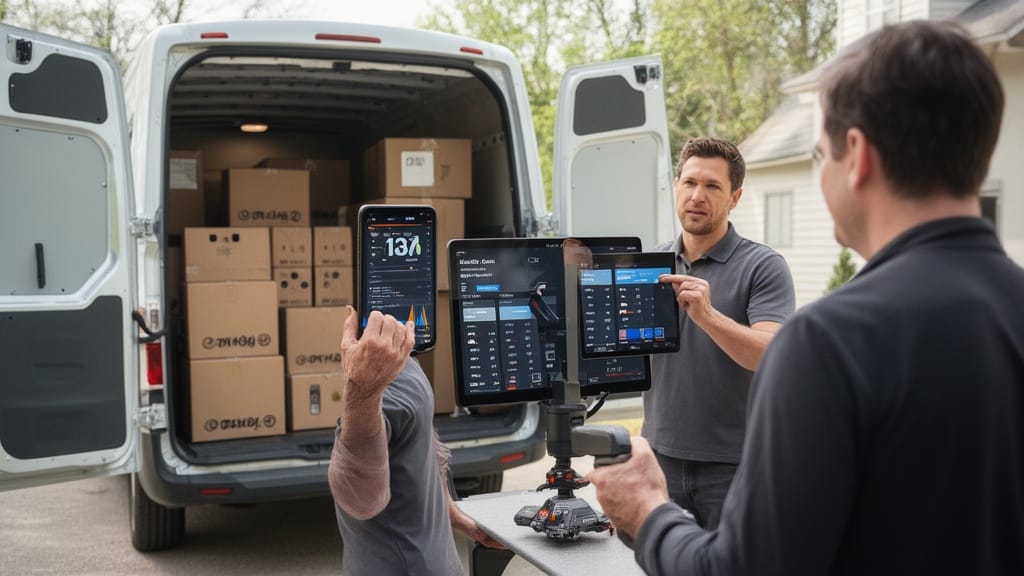
Every unanswered inquiry is a paid lead walking to a competitor. Moving demand is enormous — tens of millions of households relocate each year, and the U.S. Census Bureau tracks geographic mobility showing a large share of Americans move annually. That volume makes each missed reply a direct revenue loss.
The problem is rarely effort. It's timing. A quote request that sits for six hours reaches a customer who has already scheduled an in-home or virtual survey with someone faster.
Q: How fast should a moving company respond to a new lead?
A: Aim for under five minutes. Harvard Business Review found firms contacting leads within an hour were nearly 7 times more likely to qualify them than those who waited longer.
Slow response also damages trust before the relationship starts. Customers comparing movers often weed out fraud risk, and the FMCSA urges consumers to vet several companies before booking. A prompt, professional reply is the first proof you are the reliable option.
Pro Tip: Track your median response time, not your average. One reply at 3 a.m. and one at 9 a.m. average out to look fine while hiding the overnight leads you never recovered.
From Six Hours to Twenty-Two Minutes: What Faster Response Looks Like
Fast response is a system, not a hustle. The difference between a six-hour reply and a 22-minute reply usually comes down to instant lead capture, automatic notifications, and a templated first touch the sales rep can send in seconds.
Consider a composite example built from common industry patterns. A mover receiving 200 web leads a month at a six-hour median reply connects with a fraction of them on the first attempt. Compressing that median to roughly 20 minutes lets the same staff reach far more prospects while intent is high.
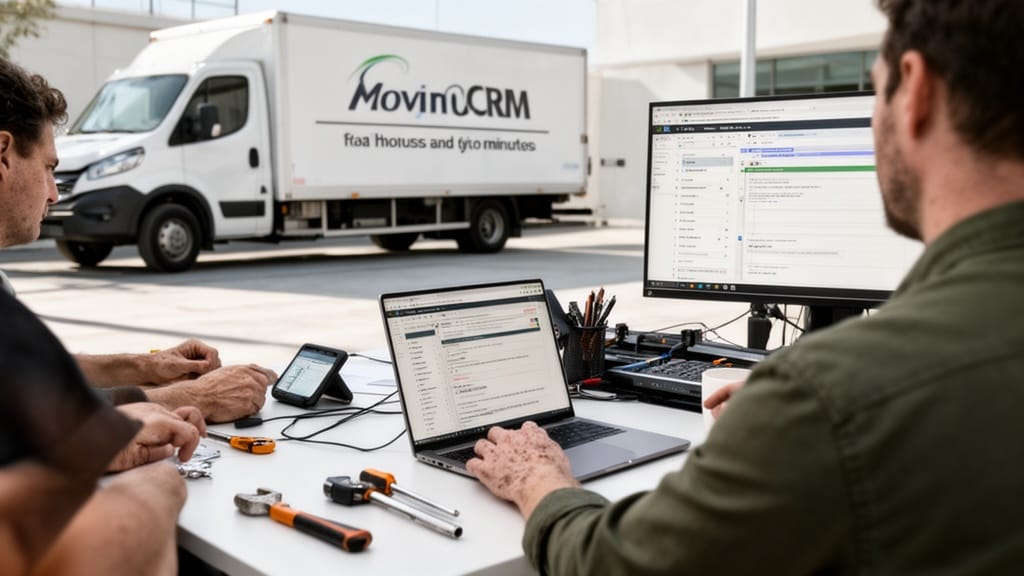
Here is the practical sequence most fast-responding movers follow:
- Capture instantly — every form, call, and chat lands in one inbox automatically.
- Alert immediately — the assigned rep gets a push notification within seconds.
- Acknowledge in minutes — an automated text confirms receipt and sets expectations.
- Personalize the first call — the rep follows the text with a tailored quote conversation.
- Log everything — the interaction is timestamped for accurate reporting.
The table below shows how outcomes typically shift as first-response time stretches out.
| Median First-Response Time | Lead State | Typical Outcome |
|---|---|---|
| Under 5 minutes | Actively comparing | Highest connect and qualify rate |
| 5–30 minutes | Still engaged | Strong connect rate |
| 1–6 hours | Cooling | Frequently booked elsewhere |
| 6–24 hours | Cold | Low connect rate |
| 24+ hours | Likely lost | Minimal recovery |
Text-first contact is part of why fast movers win. Most U.S. adults own a smartphone and read texts within minutes, so an instant SMS often beats a voicemail that sits unheard.
How Response Speed Drives Booking Rates
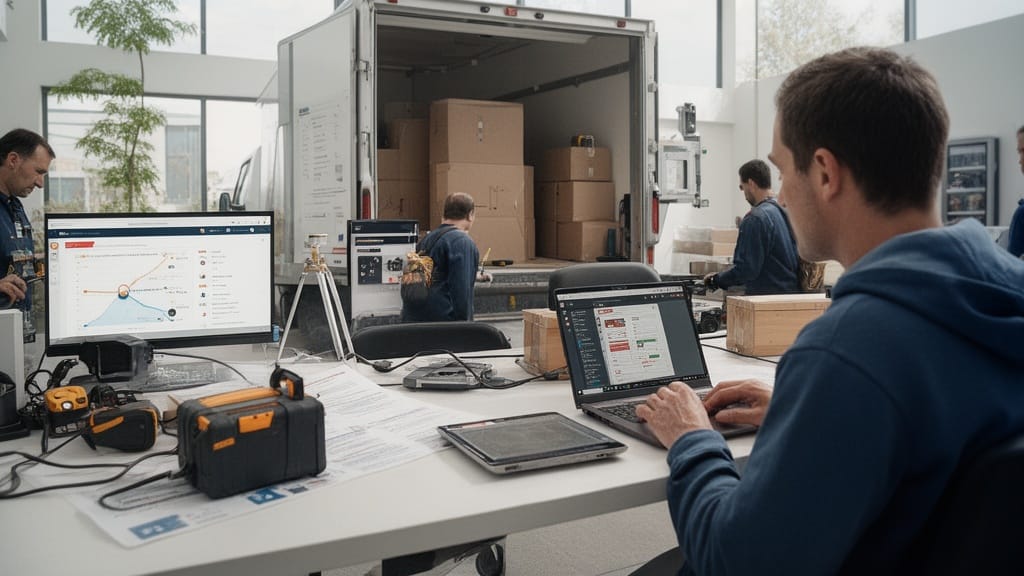
Response speed and booking rate move together. Reaching a prospect first means you frame the price, set the survey appointment, and answer objections before a competitor enters the picture — all of which lift conversion.
Q: Does faster response really change how many jobs you book?
A: Yes. Because reps reach more prospects while intent is high, faster median response directly raises a mover's qualified-conversation rate, which is the input to every booked job.
In a composite scenario drawn from typical mover data, a company that cuts median response from six hours to under half an hour can push its moving company booking rate from the high-20s into the low-40s percent range. The mechanism is simple: more first-contact connections produce more estimates, and more estimates produce more signed jobs.
This is also the cheapest growth available. You already paid for these leads, so improving response speed raises return on existing marketing spend without buying more traffic. For context on healthy targets, a deeper breakdown of what counts as a good booking rate for contractor and home-service businesses puts the numbers in perspective.
Pro Tip: Before spending more to buy moving leads, fix response time on the leads you already get. A 10-point booking-rate gain on current volume usually beats a new lead source.
Automated Follow-Up Sequences That Stop Leads From Slipping Away
Speed wins the first touch, but persistence wins the booking. Most moving customers do not commit on the first call — they gather two or three quotes over several days. Automated follow-up sequences keep you in that consideration window without manual reminders.
A strong sequence blends channels and respects the customer's timeline. Effective lead follow-up for movers typically spans a week and mixes text, email, and a scheduled call.

The contrast between manual and automated follow-up is stark:
| Follow-Up Factor | Manual Process | Automated Sequence |
|---|---|---|
| Timing | Depends on memory | Triggered on schedule |
| Channels | Usually one | Text, email, and call |
| Consistency | Varies by rep and day | Identical every time |
| Dropped leads | Common | Rare |
| Reporting | Hard to measure | Logged automatically |
Well-built automated follow-up sequences also stop the most expensive failure mode: the lead that goes quiet after a quote and is simply forgotten. A scheduled day-two text and day-four email recover a meaningful share of those stalled conversations.
The goal is not to nag. It is to be helpfully present each time the customer is ready to decide — which is exactly how movers convert moving leads into jobs that would otherwise vanish.
Tracking Every Lead in One Pipeline Instead of Scattered Notes

Response speed and follow-up both collapse when lead data lives in five places. Sticky notes, a personal cell, a shared inbox, and a spreadsheet guarantee that something falls through. A single pipeline fixes this.
Modern moving company CRM lead tracking organizes client info, moving details, inventory, follow-ups, notes, and invoices into one record per lead. Every rep sees the same status, so no inquiry is answered twice or not at all.
Q: What should a moving CRM track for each lead?
A: At minimum: contact details, move date and origin/destination, inventory, quote, every follow-up touch, and current pipeline stage — all timestamped for accurate response-time reporting.
That visibility also makes coaching possible. When you can see which rep replies fastest and which stage leaks the most leads, you fix the real bottleneck instead of guessing. For a fuller framework, this moving company CRM operations guide and an overview of the best CRM systems for moving companies lay out how the pieces connect.
Pro Tip: Add a required "first response timestamp" field to your pipeline. What gets measured gets managed, and reps respond faster the moment the clock is visible on every lead.
Turning Faster Responses Into More Booked Moves
The path from inquiry to booked move is short when speed, persistence, and tracking work together. Capture instantly, reply in minutes, follow up automatically, and keep every lead in one pipeline. Those four habits compound.
The broader industry context reinforces the stakes. The moving and material-moving workforce numbers in the hundreds of thousands according to BLS occupational data, and competition for each relocating household is fierce. Speed is the differentiator competitors find hardest to copy.

Start with one change: measure your median first-response time this week. Most movers are slower than they assume, and the gap between perception and reality is where booked jobs leak out. Close that gap, and the same marketing spend produces more revenue.
Related Articles
- CRM for Moving Companies: Streamline Operations — How a centralized CRM ties lead capture, follow-up, and dispatch together.
- Digital Marketing Strategies for Moving Companies — How to generate the leads your fast response system will convert.
- Customer Experience Excellence in Moving Services — Why responsiveness shapes reviews, referrals, and repeat business.
- Buy Moving Leads: Best Providers Compared — Where to source quality leads once your response process is dialed in.
Ready to see it in action?
Book a free 20-minute demo and explore how Virtual Estimate can help your business.