

A virtual estimate is a remote quoting method in which a customer films or photographs the space to be serviced, and software analyzes that footage to produce a detailed, priced quote — with no in-person visit required. The entire process runs in minutes instead of the hours a site visit demands. For service businesses, that speed changes everything about how leads convert.
Manual site surveys are slow, expensive, and hard to schedule. A single in-home walkthrough can eat half a day once travel is counted. This guide breaks down exactly how virtual estimating works, step by step, so you understand the workflow, the technology behind it, and where remote quoting delivers the biggest gains.
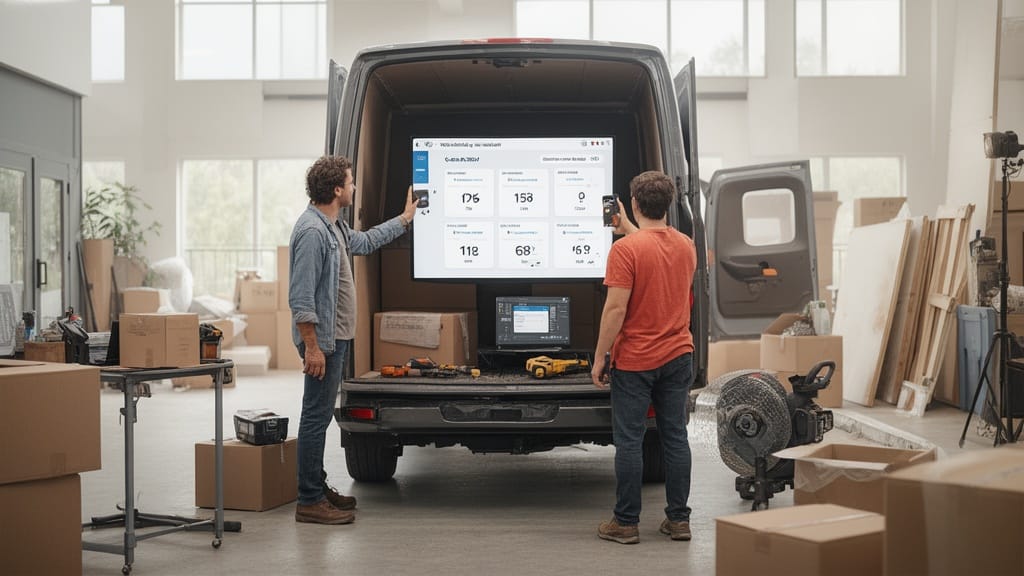
| Point | Details |
|---|---|
| Definition | A virtual estimate turns a customer video or photo set into a priced quote using software, removing the in-person visit entirely. |
| Speed | AI-assisted scanning compresses a process that once took 2+ hours of manual surveying into roughly 10 minutes. |
| Adoption driver | 91% of US adults own a smartphone, so nearly every customer already carries the only hardware required. |
| Conversion edge | Firms that contact a lead within an hour are 7x more likely to qualify it, and remote quoting collapses turnaround. |
| Learn more | Compare estimate methods in this guide to types of moving estimates. |
What Is a Virtual Estimate and Why It Matters
A virtual estimate replaces the on-site survey with a remote one. The customer captures the relevant space — rooms, inventory, a job site — and software measures, classifies, and prices what it sees. No truck rolls, no calendar gridlock.
The shift matters because demand for fast quotes has outpaced the old model. 91% of US adults own a smartphone, which means the camera needed for remote estimating already sits in nearly every customer's pocket. The barrier to entry has effectively disappeared.
Speed is the second driver. The classic Harvard Business Review study found that firms responding to a lead within an hour are seven times more likely to qualify it. A quote that lands the same day, not three days later, wins the job.
Pro Tip: Treat the virtual estimate as a sales touchpoint, not just a measurement task. Send the completed quote with a short personalized note within the same business day — the data shows the first responder usually books the work.
Capturing the Job With Video or Photos
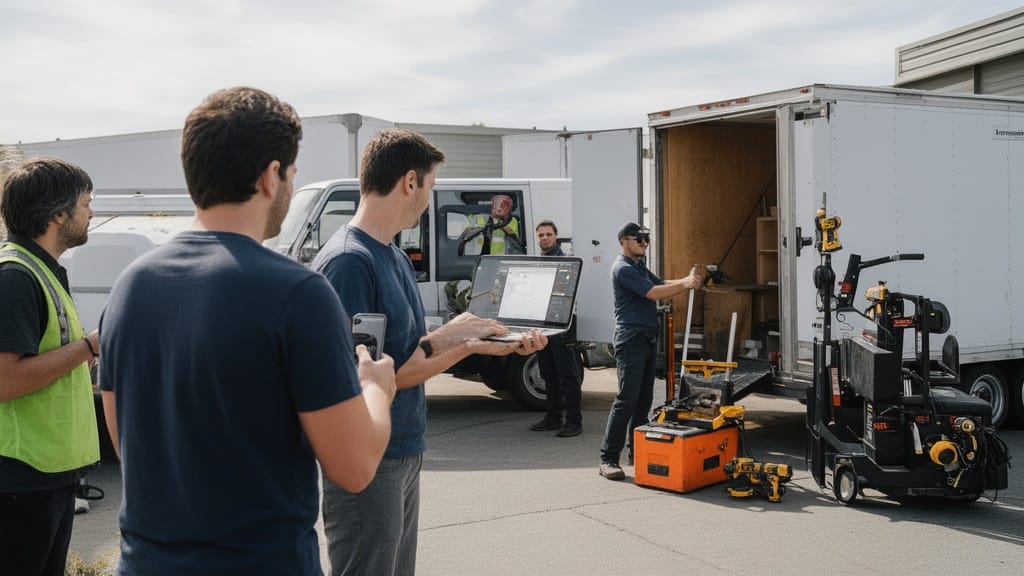
Every virtual estimate starts with capture. The customer records a walkthrough or uploads photos, ideally with steady, well-lit footage that shows each room and item clearly. Good input produces a good quote; rushed clips produce gaps.
Most workflows use a guided format. The customer opens a link or a remote estimate app, follows on-screen prompts, and films room by room. This structure keeps the footage organized and ensures nothing critical gets skipped.
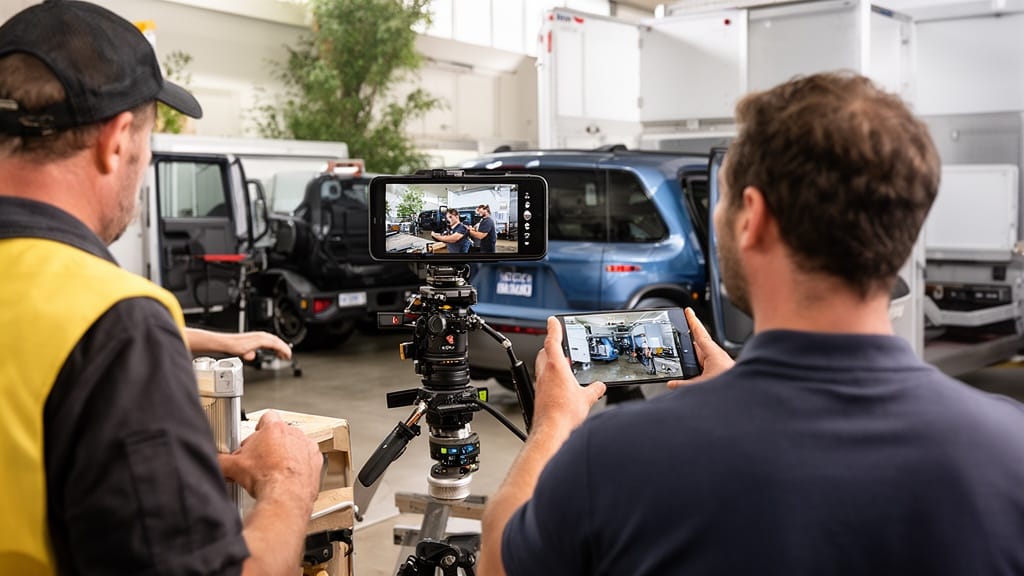
A few practices consistently improve capture quality:
- Move slowly and pan across each wall, not just the center of the room.
- Open closets, cabinets, and storage areas where inventory hides.
- Narrate special items — a piano, a safe, a fragile antique.
- Film in daylight or with overhead lights on to reduce shadows.
- Hold the phone horizontally for a wider field of view.
Q: Do customers need to download special equipment for a virtual estimate?
A: No. With 91% of US adults already owning a smartphone, a standard phone camera is the only hardware required.
This self-serve capture step is what makes the model scale. One estimator can process dozens of remote walkthroughs in the time a single in-home visit used to take.
How AI Analyzes Scope and Measurements
Once footage arrives, the analysis engine takes over. Computer vision identifies objects, estimates dimensions, and builds a structured inventory from the video. This is the core of how virtual estimating works — turning raw pixels into a measured scope.
The system tags each detected item, assigns it a category, and approximates volume or square footage. For a moving job, that means a cubic-foot estimate; for a contractor, a surface-area or material count. Human review then confirms or corrects edge cases.
Q: How accurate are virtual estimates compared to in-person surveys?
A: When footage is clear and complete, AI-driven scope analysis matches the accuracy of a trained surveyor while cutting the time from 2+ hours to roughly 10 minutes.
The accuracy depends heavily on input quality, which is why guided capture matters. For a deeper look at the technology, this guide to AI-powered moving estimates explains how detection models are trained.
Pro Tip: Build a quick human-in-the-loop checkpoint for any job above a certain value. Let the software draft the inventory, then have an estimator spend two minutes verifying high-impact items. You keep the speed and remove the costly outliers.
Generating an Accurate Quote in Minutes
With the scope measured, the digital estimate process converts inventory into price. The software applies your rate card — labor, materials, distance, surcharges — and outputs a line-itemed quote automatically. What changed by hand for hours now updates instantly.
This is where good online quote software earns its keep. Pricing rules live in one place, so every quote reflects current rates and no estimator improvises numbers. Consistency protects your margins.
The summary below shows how each stage of remote quoting compresses time:
| Stage | Traditional method | Virtual method |
|---|---|---|
| Schedule the survey | 1-3 days of calendar lag | Instant, self-serve link |
| Conduct the survey | 1-2 hours on site | 5-10 minute walkthrough |
| Build the inventory | Manual notes, re-entry | Auto-generated from footage |
| Price the quote | 30+ minutes by hand | Seconds via rate card |
| Deliver to customer | Email after office return | Same-session delivery |
Because pricing is rules-based, a virtual quoting tool also reduces disputes. The customer sees exactly which items drive the total, which builds trust before the job even starts.
Sharing and Approving Estimates Remotely
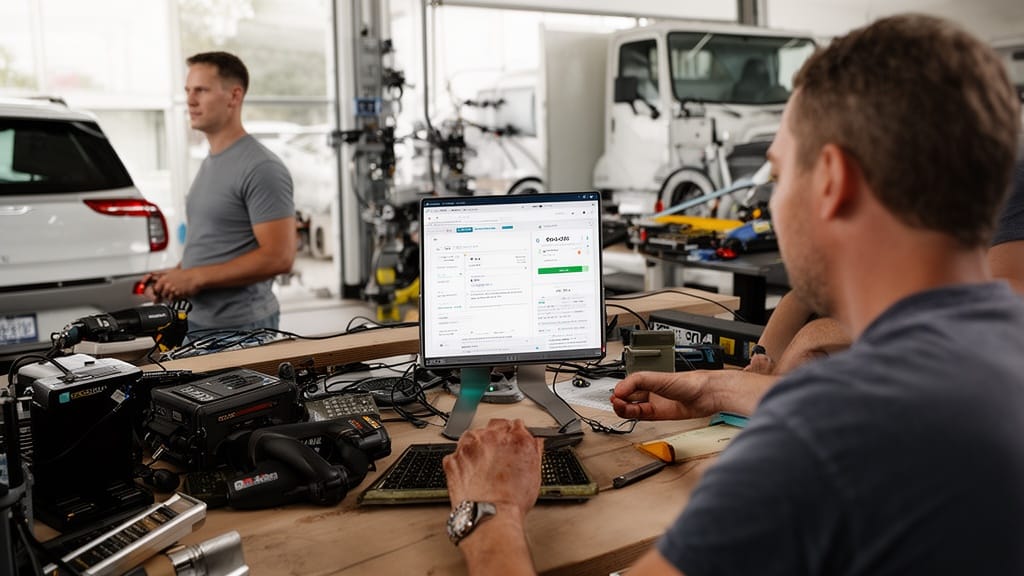
The final step closes the loop without paperwork. The completed estimate goes to the customer as a shareable digital document they can review, question, and approve from any device. No printing, no in-person signature.
Remote approval shortens the gap between quote and commitment. Customers e-sign, pick a date, and often pay a deposit in the same flow. Every action is timestamped and stored, which creates a clean audit trail.
That record matters for compliance, too. Federal rules already require movers to provide written estimates before a long-distance move, and a digital estimate satisfies that obligation while being easier to retrieve than paper.
Pro Tip: Add an expiration date and a clear scope summary to every remote estimate. It nudges fast decisions and protects you if the customer adds items later — the original scope is documented and time-stamped.
Virtual vs. Traditional In-Person Estimates
The contrast is sharp once you line the two methods up. Virtual estimating removes travel, scheduling friction, and manual data entry — the three biggest drains on a traditional survey. In-person visits still suit complex, high-stakes jobs that demand physical inspection.
| Criteria | Virtual estimate | Traditional in-person estimate |
|---|---|---|
| Time to complete | ~10 minutes | 2+ hours including travel |
| Scheduling | Self-serve, on demand | Coordinated appointment |
| Travel cost | None | Fuel and labor per visit |
| Geographic reach | Unlimited | Limited by drive radius |
| Documentation | Auto-generated, stored | Manual notes, re-keyed |
| Best fit | High-volume, standard jobs | Complex or unusual sites |
The digital model also widens your service area. Because no one drives out, a company can quote a customer across the state as easily as one across town. This was a key lesson from the pandemic, when McKinsey found businesses vaulted years forward in digital adoption almost overnight.
Neither method is universally superior. The smart play is to default to remote estimating and reserve site visits for the rare jobs that truly need eyes on the ground.
Which Industries Benefit Most From Remote Quoting
Any business that prices a physical scope is a candidate. The technique took hold first in moving, where inventory volume drives the entire quote, and it has spread to adjacent trades. Field service work — among the largest occupational groups in the US — is a natural fit.
The sectors seeing the strongest results share a common trait: a measurable, visual scope and high quote volume.
- Moving and relocation: Inventory-based pricing maps perfectly to video walkthroughs.
- Construction and remodeling: Room dimensions and material counts come straight from footage.
- Junk removal and cleaning: Volume and condition are easy to assess remotely.
- Restoration and damage repair: Customers document the affected area on their own phone.
- Painting and flooring: Square-footage estimates flow from a guided room scan.
For businesses already running structured intake, layering remote quoting onto an existing virtual pre-move survey workflow is a fast win. The data capture is similar; only the analysis layer is new.
Getting Started With Your First Remote Quote
Launching is less about technology and more about process. Start by codifying your rate card so pricing rules are explicit and current. Software can only automate the math you have already defined.
Next, write a simple capture script for customers. Clear, friendly prompts produce better footage, and better footage produces accurate quotes. Test the flow internally before sending it to a real lead.
Finally, set a same-day response standard. The whole advantage of remote estimating evaporates if quotes sit overnight. The speed-to-lead research is unambiguous: fast wins.
Start with a small batch of jobs, measure your turnaround and close rate, then expand. Most teams find the workflow pays for itself in recovered estimator hours within the first month.
Related Articles
- Employee Retention Strategies for Moving Companies — Practical tactics to keep skilled crews and reduce costly turnover.
- Pricing Strategies for Moving Companies — How to structure rates that protect margins without losing bids.
- CRM for Moving Companies: Streamline Operations — A walkthrough of how a CRM ties leads, estimates, and jobs together.
- Sustainable Moving Practices — Ways to cut waste and appeal to eco-conscious customers.
Recommended Reading
Ready to see it in action?
Book a free 20-minute demo and explore how Virtual Estimate can help your business.