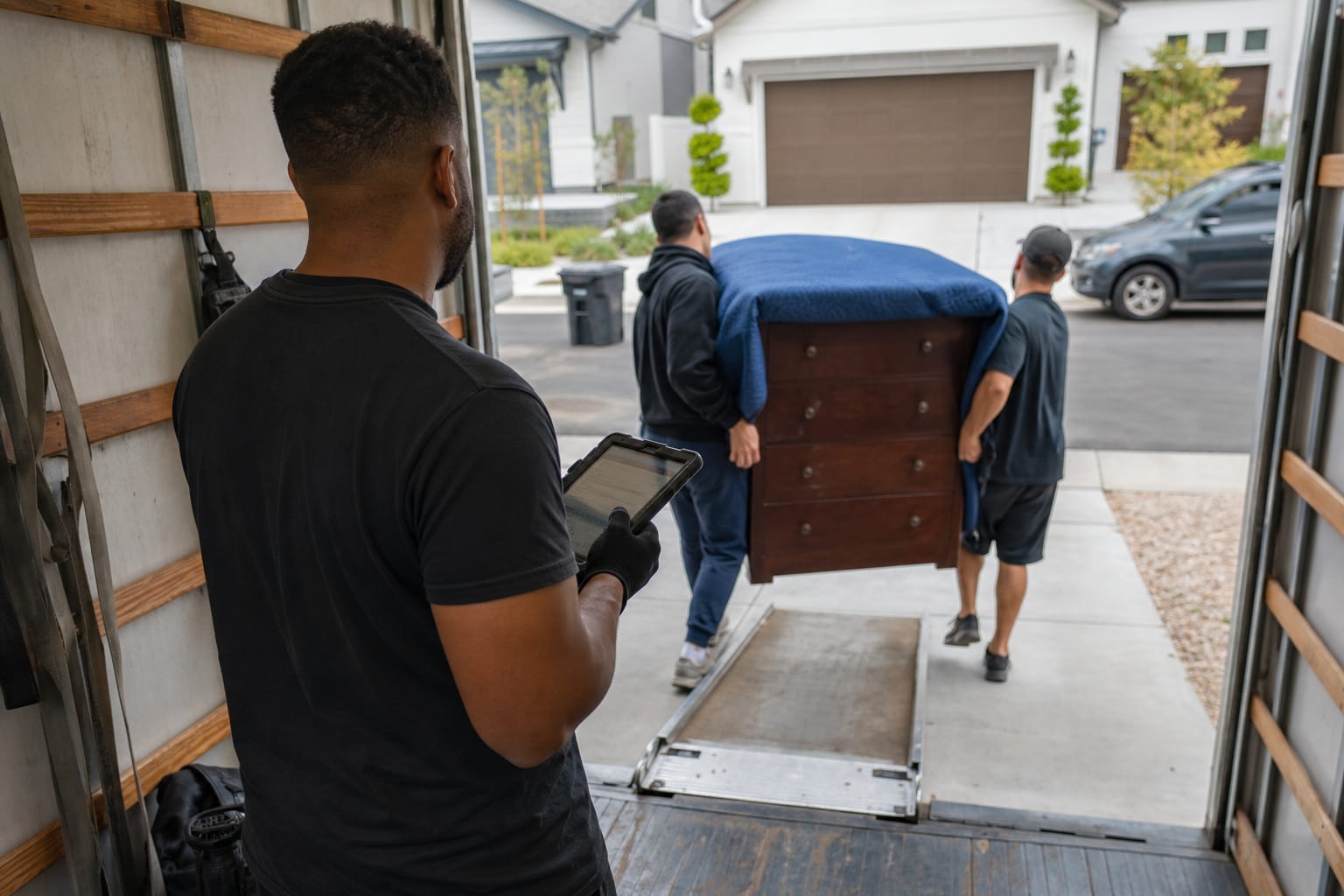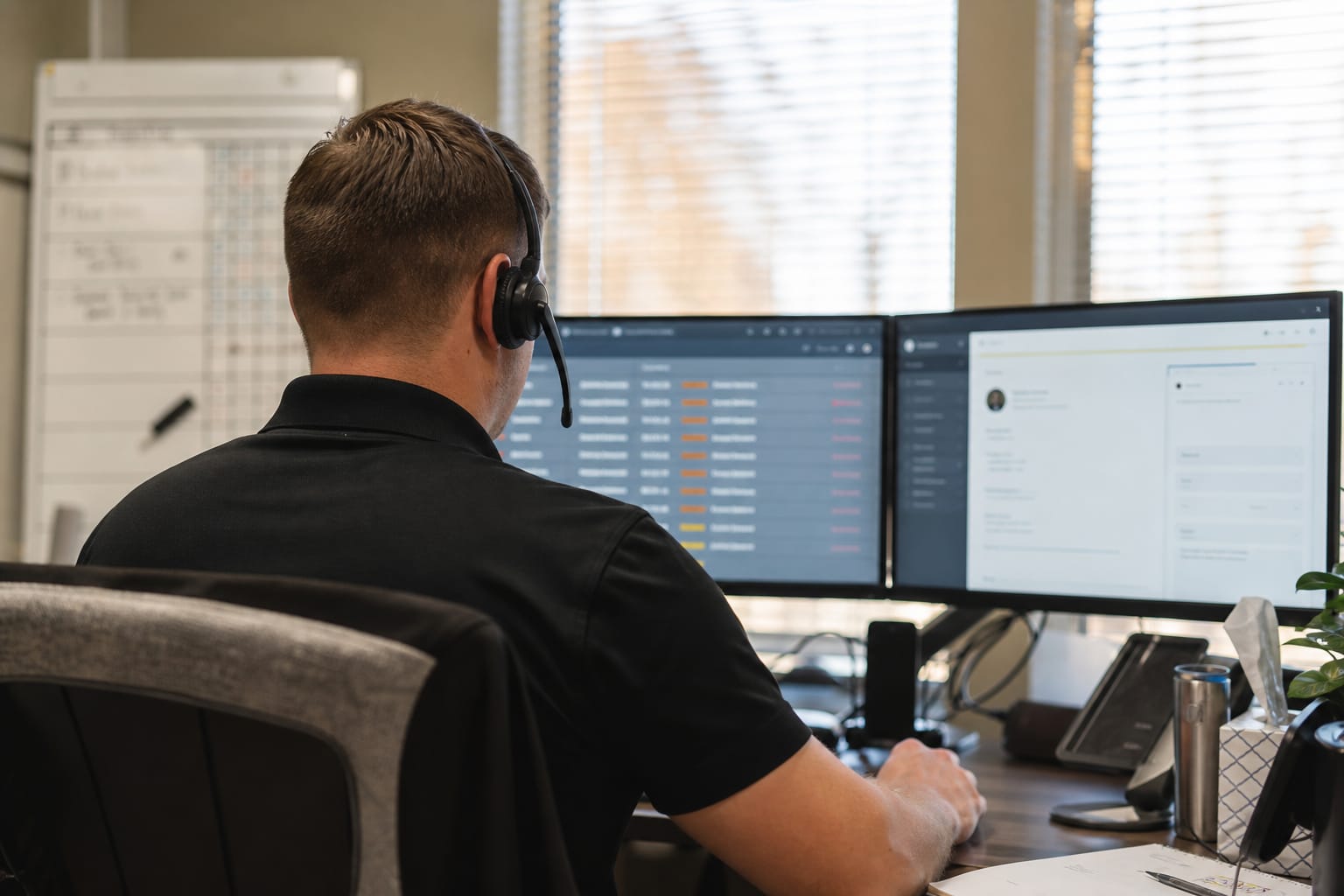

Virtual estimating is a remote pricing method where a customer films a video walkthrough of their home and AI analyzes the footage to calculate inventory, cubic footage, and moving cost — usually in under two hours. Moving companies use it to replace the in-home survey with a faster, contactless workflow that no longer requires an estimator on the road.
The old model is slow and expensive: dispatch an estimator, wait days for the appointment, then hope the customer is home. Virtual estimating removes the drive time and shrinks the quote-to-book window from days to hours. This guide breaks down how the process works, how it stacks up against in-person quotes, the AI that powers it, and how to roll it out without disrupting your crews.
Key Takeaways
| Point | Details |
|---|---|
| Definition | Virtual estimating prices a move from a customer-filmed video instead of an in-home visit — no estimator travel required. |
| Speed | One composite case study cut estimate turnaround from 18–24 hours to 1–2 hours. |
| Cost impact | The same case study documented roughly $1,181 in monthly savings against a $200–$400/month software subscription. |
| Accuracy driver | AI detects furniture room by room and assigns cubic-foot values, reducing manual estimate errors. |
| Best fit | Long-distance, out-of-state, and busy customers who cannot schedule an in-person walkthrough. |
What Is Virtual Estimating?

Virtual estimating is the practice of quoting a move remotely, using video and software rather than a physical site visit. A virtual estimate is generated when the customer records their rooms — or joins a live video call — and the mover translates what they see into a priced inventory.
The category goes by several names. Some companies call it remote estimating, others call it online estimating, and the customer-facing term is often a video estimate. They describe the same core idea: pricing a job without sending a person to the door.
Q: What is virtual estimating?
A: Virtual estimating is a remote quoting method where a customer films a video walkthrough of their belongings and AI or an estimator calculates the moving cost — typically delivered within two hours instead of days.
Federal rules still apply. Interstate movers must issue written estimates under FMCSA consumer-protection requirements, and a virtual workflow satisfies that obligation the same way an in-home visit does. The difference is speed and reach, not compliance.
How the Virtual Estimating Process Works
The process follows a simple, repeatable sequence. Here is the standard flow most movers use for a virtual survey:
- Send a link. The customer receives a text or email link — no app download in most tools.
- Record the walkthrough. They film each room, or complete a self survey estimate on their own schedule.
- Answer logistics questions. Stairs, elevators, parking distance, and long carries get captured up front.
- AI analyzes the footage. The system identifies items and assigns cubic footage.
- Estimator reviews. A human confirms the inventory and adjusts edge cases.
- Quote goes out. The priced estimate is sent, often with automated follow-up attached.

This is why the virtual walkthrough estimate is so much faster than the legacy model. There is no scheduling ping-pong and no windshield time. For a deeper step-by-step, our virtual pre-move survey guide walks through each stage in detail.
Pro Tip: Add two or three required logistics questions — parking distance, stair count, elevator reservation window — to your intake link. These are the variables that blow up on move day, and capturing them during the virtual survey prevents surprise charges that trigger disputes.
Virtual vs. In-Person Estimates: A Side-by-Side Comparison
Here is the honest trade-off. In-person estimates give a tactile read on heavy or fragile items; a virtual estimate wins on speed, cost, and reach. For most residential jobs, the math favors going remote.
| Criteria | Virtual Estimate | In-Person Estimate |
|---|---|---|
| Turnaround | Often under 2 hours | 1–3 days to schedule + visit |
| Cost to conduct | Minimal — no travel | Fuel, labor, and estimator time |
| Geographic reach | Any location with a phone | Limited to drive radius |
| Customer effort | Films rooms when convenient | Must be home for appointment |
| No-show risk | Low — asynchronous | High — missed appointments |
| Best for | Long-distance, busy clients | Complex, high-value inventories |
Q: Is virtual estimating faster than in-person quotes?
A: Yes. One composite case study reduced estimate turnaround from 18–24 hours to 1–2 hours after adopting a remote quote tool, largely by eliminating travel and scheduling delays.
A remote quote tool also expands your service map. With millions of households relocating each year — many across state lines, per the U.S. Census Bureau — the ability to quote an out-of-state customer without dispatching anyone is a real competitive edge.
Benefits of Remote Estimating for Moving Companies
Remote estimating pays off in three places: labor, conversion, and accuracy. The clearest proof comes from a composite ROI case study, which measured savings against a typical $200–$400/month subscription.
| Cost driver | Before | After (composite example) |
|---|---|---|
| Admin labor | 22 hrs/month | 9 hrs/month at ~$22/hr |
| No-show jobs | 5–6/month | 2–3/month |
| Estimate errors | 3–4/month | Under 1/month |
| Paper & printing | $80/month | $15/month |
Together those lines added up to roughly $1,181 in monthly savings in that example — enough to cover the software several times over on cost reduction alone. Faster quotes also lift booking rates, because the first mover to send a clean estimate usually wins the job.

Speed compounds when follow-up is automated. Instead of chasing leads by hand, the system runs SMS and email sequences so no deal goes cold. For the broader financial picture, see our guide to AI-powered moving estimates.
Pro Tip: Track your quote-to-book window as a hard metric, not a feeling. Movers who reply within an hour consistently out-convert those who take a day — so measure the gap before and after you switch to digital estimating, and hold your team to it.
Virtual Estimate can help: Our AI turns a customer's phone video into a priced, room-by-room quote in about two hours — no in-home visit, no windshield time. Learn more →
Inside the AI Technology Behind Video Quotes
The engine behind ai virtual estimating is computer vision trained on household inventory. When a customer uploads footage, the model detects individual items, classifies them, and assigns each a cubic-foot value that rolls up into a total volume.
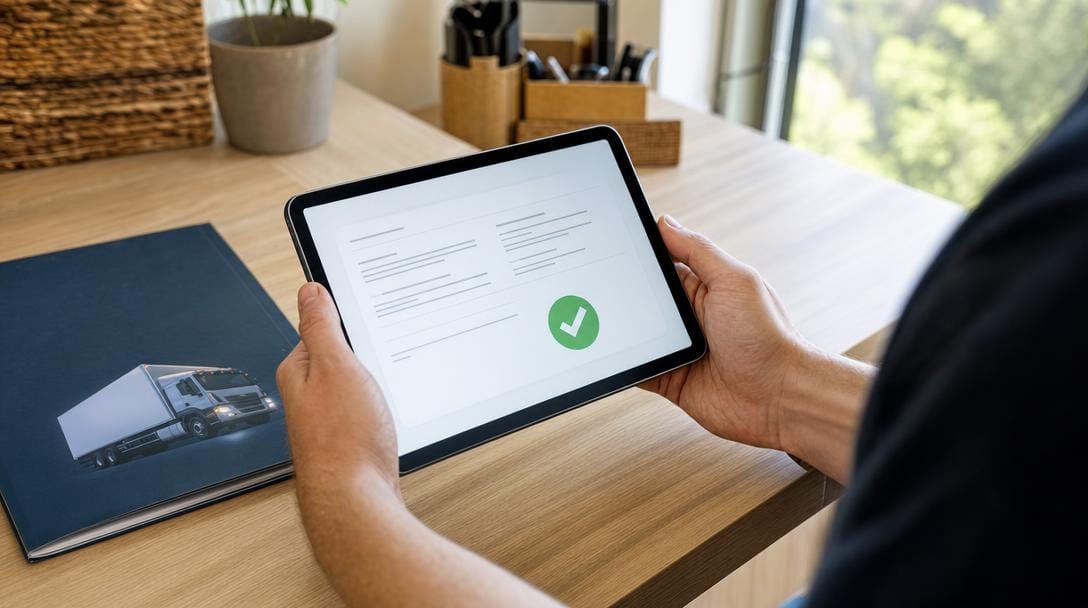
That volume is the number everything else depends on — truck size, crew count, labor hours, and price. A well-built ai video estimate produces a structured inventory an estimator can review in minutes rather than rebuild from scratch.
Q: What technology is needed for virtual estimating?
A: The customer needs only a smartphone with a camera. The moving company needs virtual quoting software with AI object detection, cubic-foot mapping, and a CRM to store the estimate and trigger follow-ups.
The accuracy leap comes from removing human guesswork on volume. Our breakdown of AI video scanning replaces in-home surveys explains how the detection layer works, and you can see the live workflow on our AI video estimation page. Purpose-built platforms matter here — a tool designed for room-by-room moving inventory outperforms a generic CRM bolted onto video.
Common Challenges and How to Solve Them
No method is friction-free. The three issues that surface most with a contactless estimate are poor video quality, missed items, and customer hesitation — all solvable with the right guardrails.
- Blurry or rushed footage. Add on-screen prompts that tell customers to film slowly and open closets. Better input means a better ai video estimate.
- Forgotten items. Attic, garage, and basement contents get missed. A room-by-room checklist inside the app closes the gap.
- Customer reluctance. Some clients still expect a person at the door. Offer a live video estimate call as a middle option for high-value or anxious customers.

Pro Tip: For any move over a full truckload, have an estimator spot-check the AI inventory against the raw video before the quote goes out. The technology handles volume math well; humans still catch the antique armoire or the disassembled gym equipment that changes crew size.
The reliability of a self survey estimate rises quickly once customers know what to film. A short instructional prompt at the start of the walkthrough does more for accuracy than any pricing adjustment after the fact.
Getting Started With Virtual Estimates
Rolling out virtual estimates does not require ripping out your operation overnight. A composite 90-day implementation ran old and new workflows in parallel through month one, moved dispatch fully digital by day 45, and had quotes leaving the office within two hours by day 90.
Start with a phased plan:
- Pick the software. Choose a purpose-built platform, not a generic CRM.
- Run parallel. Quote a share of leads virtually while keeping in-home visits for complex jobs.
- Script the customer prompt. Standardize the intake link and instructions.
- Train on review. Teach estimators to audit AI inventory fast.
- Turn on automation. Layer in follow-up sequences once quotes are flowing.
For a customer-facing script, our step-by-step on how to conduct a virtual pre-move survey is a ready template. If you are still weighing platforms, review a plain-English explainer of how virtual estimates work before you commit. Because moving labor is one of the largest costs in the business — reflected in material-mover wage data from the BLS — even a modest cut in estimator hours moves the P&L.
Related Articles
- Virtual Pre-Move Surveys: Complete Guide — A full walkthrough of the remote survey process from link to booked job.
- AI-Powered Moving Estimates: The Complete Guide — How AI estimating affects accuracy, speed, and profitability.
- Marketing for Moving Companies: Strategies That Fill Your Pipeline — Tactics to feed more qualified leads into your estimating funnel.
- CRM for Moving Companies: Streamline Operations — How a moving CRM ties estimates, dispatch, and follow-up together.
Ready to see it in action?
Book a free 20-minute demo and explore how Virtual Estimate can help your business.