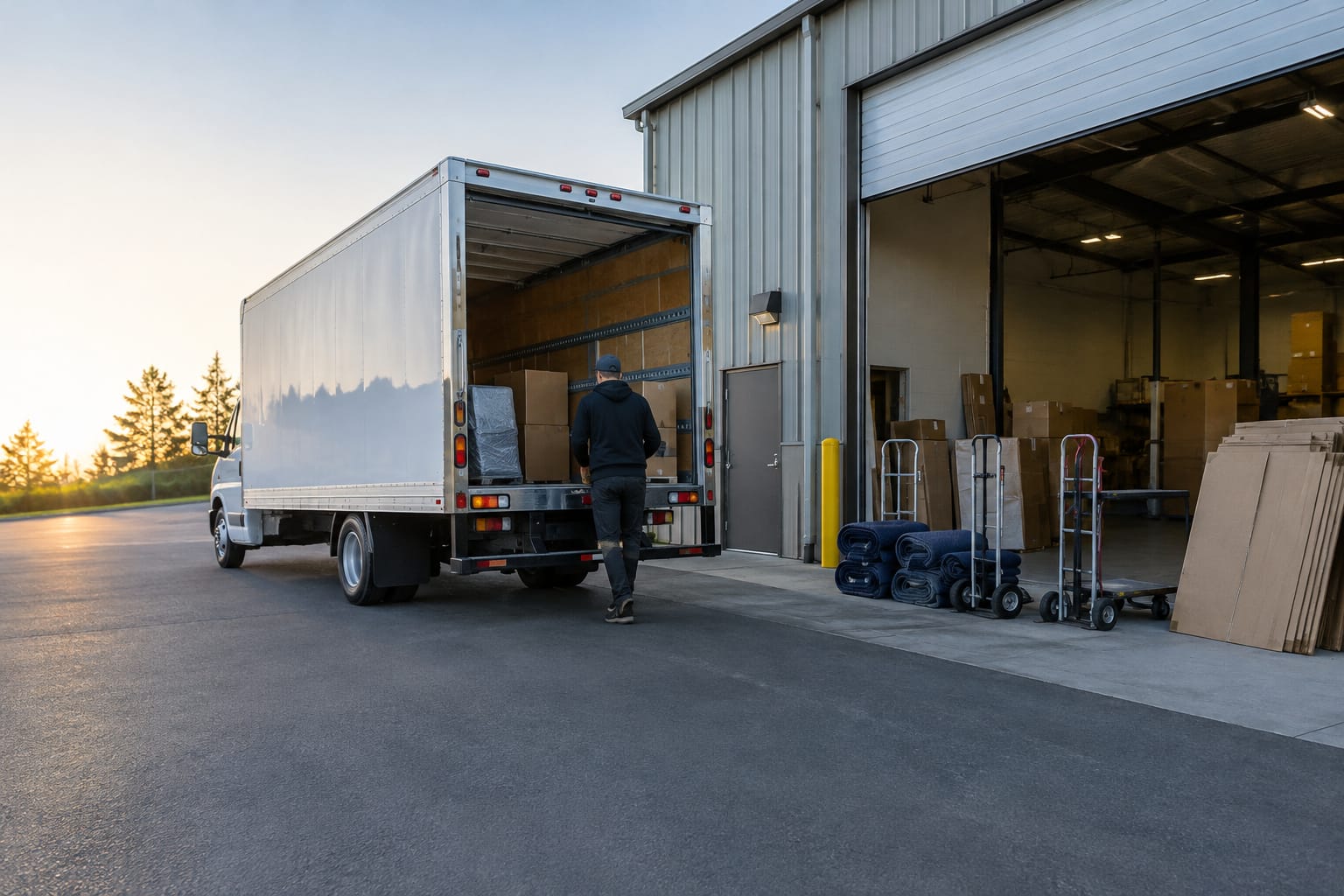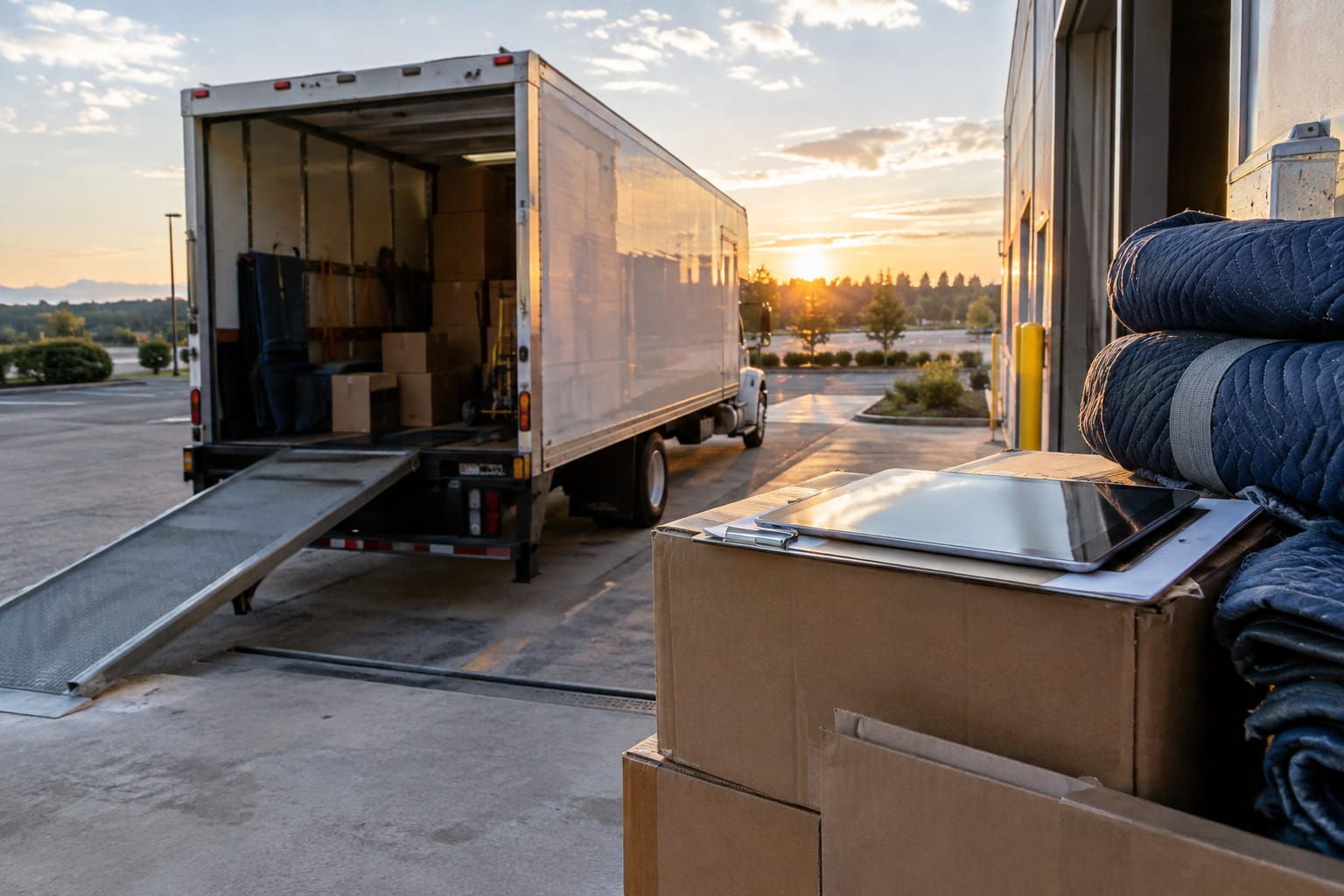

AI video scanning replaces the in-home moving survey by having a customer record a short phone walkthrough that computer-vision software turns into a room-by-room inventory and a price — usually in minutes, not the two hours an estimator spends on-site. The physical walkthrough has been the moving industry's default for decades. It is slow, expensive, and caps how many quotes a company can produce in a day. This guide explains how the technology works, what it changes, and how to evaluate it.
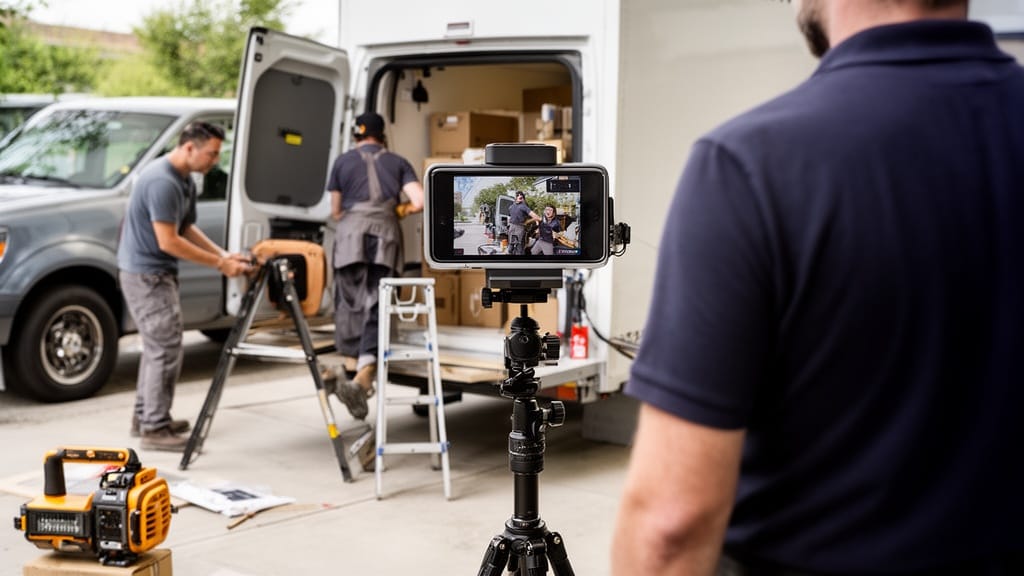
| Point | Details |
|---|---|
| Speed gain | A phone walkthrough plus automated cataloging typically produces a quote in under 15 minutes, versus a 1–2 hour on-site visit. |
| No scheduling | Customers scan on their own time, removing the back-and-forth of booking an estimator visit. |
| Consistent inventory | Computer vision applies the same item list and cube sheet to every job, reducing estimator-to-estimator variance. |
| Wider reach | Remote scanning lets a company quote out-of-area and out-of-state jobs without dispatching staff. See types of moving estimates for context. |
Why the Traditional In-Home Walkthrough Holds Movers Back
The in-home survey works, but it scales poorly. An estimator drives to the home, walks every room, hand-writes an inventory, and drives back — often burning half a day for a single binding quote.
Volume makes this worse. Each year roughly 25–28 million Americans change residences, and demand clusters into a few summer months. During peak season, the on-site model becomes the bottleneck that determines how many jobs a company can even bid on.
There is also a consumer-protection layer. Federal rules require interstate movers to provide written estimates, and inaccurate inventories are a leading cause of disputed final bills. A rushed walkthrough that misses a packed garage creates exactly that risk.
Q: Why are in-home moving surveys being phased out?
A: They require an estimator to spend 1–2 hours per home plus travel time, which limits daily quote capacity and can't serve remote or out-of-state customers cost-effectively.
Labor economics push in the same direction. With steady demand for moving and material-handling labor, every hour an estimator spends in a car is an hour not spent closing business.
How AI Video Scanning Works: Point Your Phone, Catalog Every Room
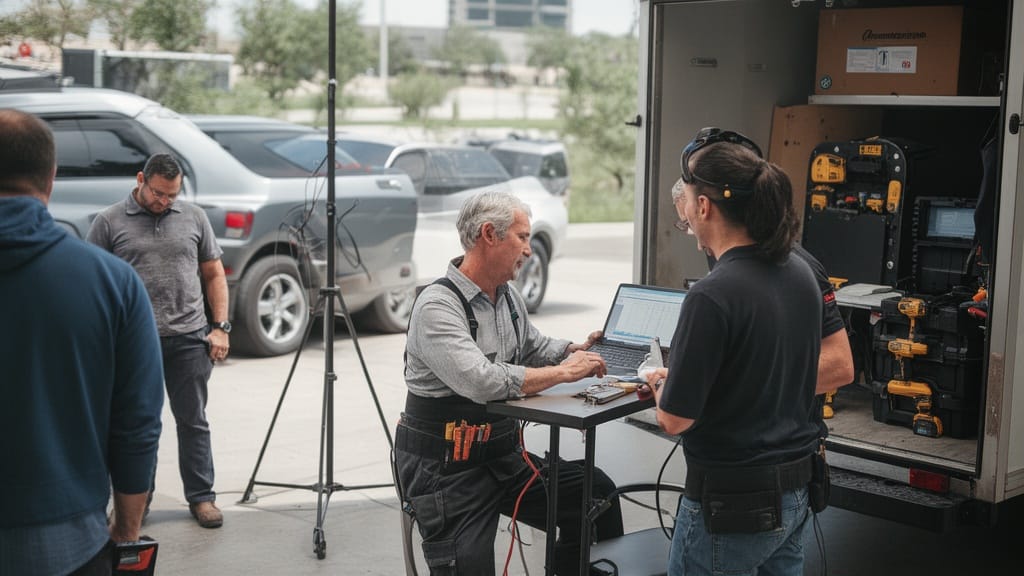
AI video scanning turns a customer's smartphone into the surveyor. The customer walks through each room recording video; computer-vision models detect furniture and boxes, classify them, and assign volume so the system can build a quote automatically.
The typical flow looks like this:
- The customer receives a link and opens a moving inventory app or browser tool — no download friction for most platforms.
- They record a slow walkthrough of each room, narrating any special items.
- AI room scanning identifies objects frame by frame and tags them (sofa, dresser, wardrobe box).
- The system maps each item to a cubic-foot value and aggregates a total volume.
- A draft inventory and estimate land in the company's pipeline for review.
This matters because phones are now universal. The vast majority of U.S. adults own a smartphone, so the capture device is already in every customer's pocket.
Pro Tip: Coach customers to record in landscape mode, move slowly, and keep the camera waist-high. Detection accuracy drops sharply with fast panning and poor lighting — a 30-second tip in the booking confirmation prevents most failed scans.
The underlying recognition has matured fast. Per the Stanford AI Index, computer-vision systems now match or exceed human benchmarks on core image-recognition tasks, which is why a video survey moving estimate is now viable where it wasn't a few years ago.
From Two Hours to Ten Minutes: Automating the Estimate
The headline change is time. A process that consumed a half-day round trip collapses into a self-serve recording and an automated draft, which is the core driver of faster moving quotes.
Q: How long does an AI video moving estimate take?
A: Most customers finish recording in 5–10 minutes, and the system generates a draft inventory and price in minutes — compared with the 1–2 hours an in-home survey requires on-site.
Here is how the three approaches compare:
| Criteria | In-Home Survey | Live Video Call | AI Video Scanning |
|---|---|---|---|
| Estimator time per job | 1–2 hours + travel | 30–45 minutes | Minutes (review only) |
| Scheduling required | Yes, in-person slot | Yes, live appointment | No, on-demand |
| Inventory creation | Manual, hand-written | Manual, on the call | Automated by AI |
| Serves remote/out-of-state | Costly | Yes | Yes |
| Consistency across staff | Varies by estimator | Varies by estimator | Standardized model |
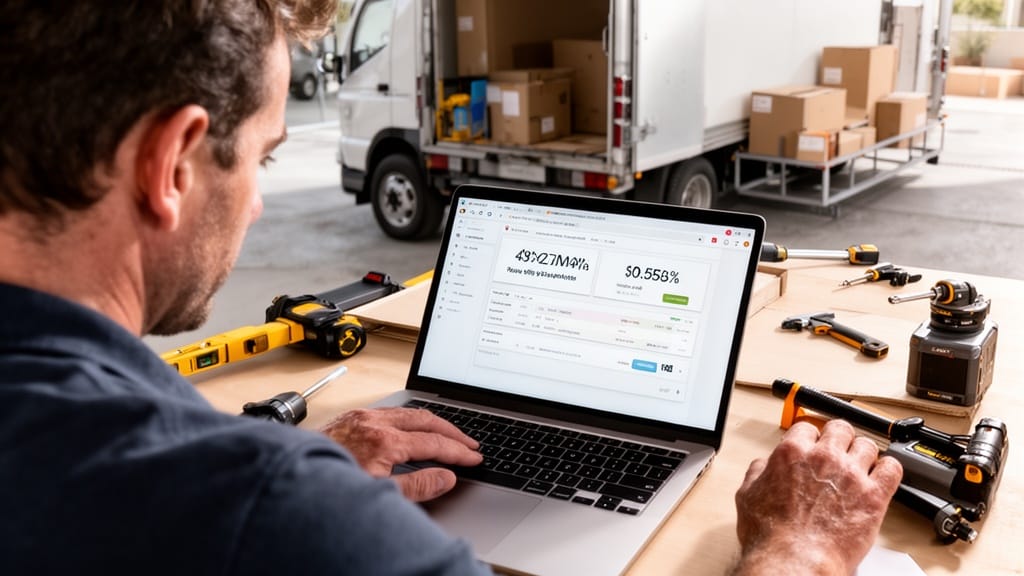
The operational gain compounds. When estimators only review and adjust rather than drive and document, a single person can process far more jobs per day, turning the estimate from a constraint into a throughput advantage.
More Accurate Room-by-Room Inventory and Cost Estimates
Speed means little without precision. The value of a virtual moving estimate is that it standardizes how items are counted and priced, removing the human variance that causes underquotes.
A traditional walkthrough depends on one estimator's memory and shorthand. AI applies the same detection logic and cube values to every job, so two identical homes produce two nearly identical bids.
| What AI Room Scanning Captures | How It's Detected | Why It Matters |
|---|---|---|
| Large furniture | Object recognition per frame | Drives the bulk of cubic-foot volume |
| Boxes and totes | Shape and stacking patterns | Often undercounted by rushed humans |
| Appliances | Class detection + size cues | Affects crew size and equipment |
| Specialty items | Customer flag + visual prompt | Pianos, safes, art change pricing |
Q: Is a video survey as accurate as an in-home estimate?
A: When customers record thoroughly, AI scanning matches or beats manual surveys on consistency because it applies identical volume values to every item — the main accuracy gap comes from rooms or items left off-camera.
Pro Tip: Always require a manual flag step for high-value and specialty items — pianos, gun safes, antiques, large gym equipment. Vision models size them well but can't read declared value or fragility, and those drive both pricing and liability.
Better inventories also protect the customer relationship. Accurate estimates reduce the surprise charges that federal moving-rights guidance is designed to prevent, which lowers disputes and chargebacks. For a deeper look at the workflow, see this AI-powered moving estimates guide.
Delivering a More Professional Customer Experience
The experience shift is as important as the math. Customers increasingly expect to handle transactions on their phone, at the hour that suits them — not to take an afternoon off work for a stranger to tour their bedrooms.
Remote scanning respects that expectation. It removes the privacy friction of an in-home visit and lets people get a number the same evening they request one.
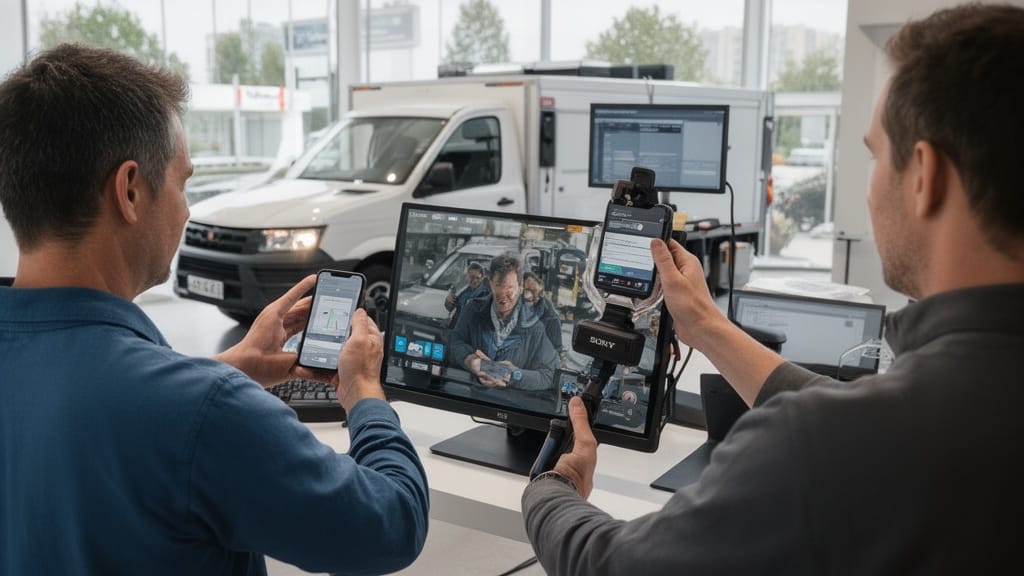
Speed of response also wins deals. In a market where buyers often contact several companies, the first accurate quote frequently sets the anchor price and earns the booking.
- Quotes arrive in hours, not days.
- No appointment juggling for the customer.
- The same polished flow runs for local, long-distance, and corporate jobs.
- A digital record of the inventory exists for both sides.
Pro Tip: Send the AI-generated inventory back to the customer for confirmation before locking the quote. A two-tap "looks right" step both improves accuracy and signals transparency, which is a measurable trust driver in the moving category.
What to Look For When Adopting AI Estimating Tools

Not every tool is equal. When evaluating an AI estimating platform, judge it on capture quality, integration, and how it handles edge cases — not just the demo reel.
Key questions to ask:
- Capture method — does it use guided phone video, or rely on customers uploading random clips?
- Inventory editing — can estimators quickly correct miscounts before sending?
- Pipeline fit — does the inventory flow into the CRM and quote, or sit in a silo?
- Specialty handling — is there a clear path for high-value and oversized items?
- Customer-side friction — is there a download requirement that will kill completion rates?
Integration is where many rollouts stall. A scan that doesn't connect to your lead pipeline just creates double entry; pairing scanning with a CRM built for moving companies keeps the inventory, follow-ups, and invoice in one record.
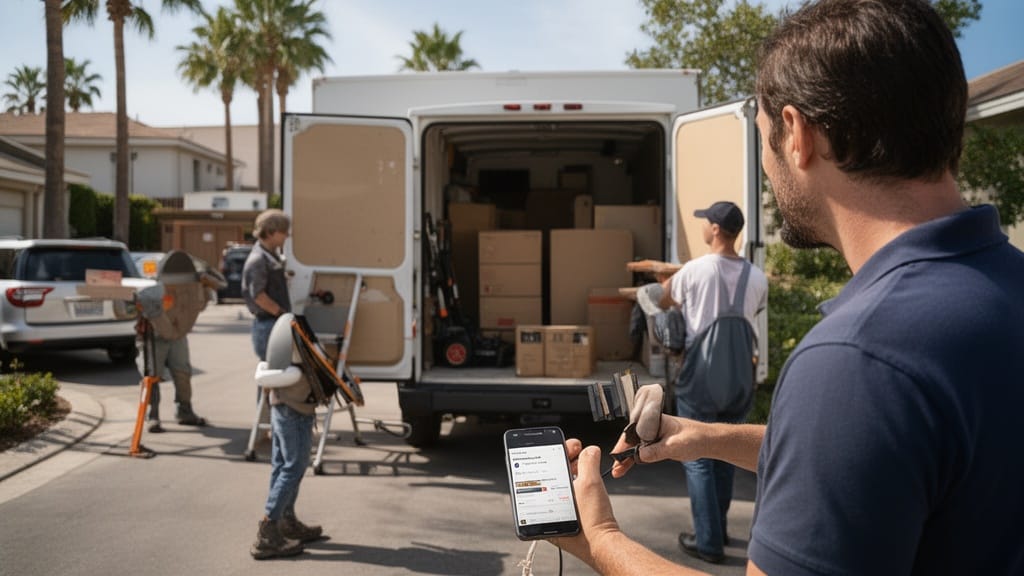
Adoption works best in stages. Run AI scanning alongside your existing process for a few weeks, compare the AI estimate to the final invoiced weight, and tune from there before going all-in.
Related Articles
- Virtual Pre-Move Survey: Complete Guide — A deeper walkthrough of remote survey methods and best practices.
- Types of Moving Estimates: Choosing the Best Option — How binding, non-binding, and not-to-exceed estimates differ.
- Reduce Moving Costs With AI Technology — Where automation cuts operational expense across a moving business.
- AI-Powered Moving Estimates: Complete Guide — The full picture of how AI estimating fits a modern workflow.
Ready to see it in action?
Book a free 20-minute demo and explore how Virtual Estimate can help your business.