

Moving CRM pricing ranges from free trials to enterprise contracts north of a thousand dollars a month — and the headline rate rarely tells the whole story. Most moving companies learn the real number only after onboarding fees, per-user charges, and SMS credits hit the first invoice. This guide breaks down every pricing tier, names real platforms, and exposes the add-ons that quietly inflate the bill. By the end, you will know exactly what to budget and how to avoid overpaying.

Key Takeaways
| Point | Details |
|---|---|
| Three pricing models dominate | Flat monthly subscriptions, per-user seat pricing, and usage-based plans drive most of the price variance between vendors. |
| Mid-tier is the common breakeven | One Virtual Estimate ROI case study documented roughly $200–$400 per month as the point where a single operator turns a profit on the software. |
| Hidden fees move the bill | Onboarding charges, per-seat overages, SMS credits, and API access routinely push the real cost well above the advertised rate. |
| The biggest ROI lever is conversion | A structured CRM lifted one operator's booking rate from 28% to 41% — extra jobs from the same lead volume. |
| Annual contracts cut the rate | Vendors including Virtual Estimate offer meaningful discounts on annual billing versus month-to-month. |
How Moving CRM Pricing Is Structured (And Why It Varies So Much)

Moving CRM pricing follows three core models: flat monthly subscriptions, per-user seat pricing, and usage-based plans. Flat plans charge one rate for the whole company. Per-user pricing multiplies by every seat you add. Usage-based plans charge only for what you actually use. Most vendors blend these, which is why two movers of identical size can pay very different rates.
Here's the thing: the model matters more than the sticker price. A flat a noticeable amount plan with unlimited users beats a a noticeable amount-per-seat plan once you pass eight people. Understanding the structure is the first step to controlling your moving software monthly subscription cost.
The broader market is growing, which keeps pricing competitive. The U.S. moving and material-handling workforce continues to expand, per the Bureau of Labor Statistics Occupational Outlook. More operators means more vendors, and more vendors means more transparent moving company software pricing for buyers willing to compare.
Pro Tip: Before you compare prices, count your real seat needs — dispatchers, estimators, sales reps, and office admins. Plans that look cheap per user become the most expensive option once your whole back office logs in.

Entry-Level Moving CRM: The Budget Tier Explained
Entry-level moving CRM software is built for solo operators and one-to-two-truck companies. Expect core lead capture, a basic pipeline, and simple invoicing — but limited automation, fewer integrations, and capped user seats. This is the right starting point for movers who need organization more than orchestration.
Q: How much does a moving CRM cost at the entry level?
A: Entry-level plans sit at the lowest tier of the market, often a modest flat rate or a pay-as-you-use model, well below the $200–$400 mid-tier breakeven documented in this ROI case study.
For a new mover, the crm for movers cost question is really a question of trial risk. The strongest affordable moving crm options remove that risk with a genuine free trial. Virtual Estimate, for example, runs a 14-day free trial with no credit card required, so you can test the full pipeline before any money changes hands.
What you give up at this tier is scale. Entry plans rarely include advanced source attribution, crew scheduling logic, or AI-assisted estimating. Movers who outgrow the budget tier within a year often regret signing an annual deal at this level — so keep entry-level commitments short.
Mid-Tier Moving CRM Pricing: The Most Common Range
Mid-tier is where most growing moving companies land. One Virtual Estimate ROI case study documented a $200–$400 per month subscription as the breakeven point — and noted the platform generated roughly $1,181 in monthly cost savings across admin labor, no-show reduction, fewer estimate errors, and lower paper spend. That math turns positive on cost savings alone.
At this level you get the features that actually move revenue: a full lead pipeline with client info, inventory, follow-ups, notes, and invoices in organized tabs, plus automation and source attribution. In the same case study, paper costs alone fell from $80 to $15 per month — a small line item that illustrates how a mid-tier moving software monthly subscription cost pays for itself.
The mid-tier is also where measurable performance gains appear. Structured lead tracking and automated follow-ups lifted one operator's booking rate from 28% to 41% — a 13-point jump that produced more booked jobs from the exact same monthly lead volume. No new ad spend required.
Below is the broad tier map most movers will recognize when comparing quotes.
| Tier | Typical monthly cost | Best for |
|---|---|---|
| Entry-level | Lowest tier — modest flat rate or pay-as-you-use | Solo operators, 1–2 trucks |
| Mid-tier | $200–$400/mo | Growing 2–10 truck operations |
| Enterprise | Custom quote, scales with seats | Multi-location and franchises |
Virtual Estimate can help: A purpose-built, AI-powered CRM that handles everything from the first lead to the final invoice — no generic-software workarounds. Learn more →
Enterprise Moving CRM: When Premium Platforms Make Sense
Enterprise moving CRM platforms target multi-location operators, franchises, and high-volume van lines. Pricing here is almost always custom-quoted and scales with seat count, location count, and add-on modules. The headline number is rarely published — you negotiate it.
Enterprise tiers justify their cost through depth: advanced dispatch, multi-branch reporting, dedicated account management, and deeper API access. For a single-location mover doing 40 to 80 jobs a month, that depth is overkill. For a regional operator running several branches, it is the difference between control and chaos.
The risk at this tier is paying enterprise rates for features you never use. Many growing movers find that a strong mid-tier platform delivers the same conversion gains at a fraction of the price. If you are weighing platforms, our best moving CRM software comparison breaks down which features genuinely require an enterprise plan.
Hidden Costs That Inflate Your Moving CRM Bill
The advertised rate is the floor, not the ceiling. Most moving companies overrun their budget because of add-ons that never appear in the headline price. These are the line items to interrogate before you sign.
- Onboarding and implementation fees — often a one-time charge that rivals a full month's subscription.
- Per-user overages — additional seats billed beyond your plan's included users.
- SMS and email credits — texting your leads can carry per-message charges that add up fast at high volume.
- API and integration access — connecting QuickBooks, your phone system, or lead providers is sometimes gated behind a higher tier.
- Data migration — importing your existing leads and history may be billed as a separate service.
Pro Tip: Ask every vendor for a 12-month total cost of ownership in writing — base subscription, onboarding, expected SMS volume, and all seats. The gap between the quote and the TCO is where buyers get surprised.
Contracts deserve the same scrutiny. Auto-renewal clauses can lock you in past the point of usefulness, and the FTC's negative-option and auto-renewal rules exist precisely because these terms catch businesses off guard. Read the renewal and cancellation language before the price language.
Try Virtual Estimate's usage-based pricing: Pay only for what you use, with a 14-day free trial and no credit card — so the hidden-fee surprises common to legacy moving software simply don't apply. Get started →
Comparing SmartMoving, Supermove, and Virtual Estimate Pricing

Here is the operator-level truth most vendor pages won't tell you: both SmartMoving and Supermove use quote-based pricing and do not publish their rates publicly. That makes a clean moving crm price comparison 2026 harder than it should be — you have to request a demo to learn the smartmoving crm price, and the same applies to supermove pricing.
Q: What is the difference between SmartMoving and Supermove pricing?
A: Both are quote-based and unpublished; SmartMoving targets mid-to-large residential movers, while Supermove skews toward larger enterprise operations, so Supermove quotes typically run higher with longer onboarding.
For a deeper look at one of them, our breakdown of what Supermove actually costs and what alternatives exist walks through the quote process and the add-ons that drive the final number. Virtual Estimate takes the opposite approach with transparent, usage-based pricing and a public free trial.
| Criteria | SmartMoving | Supermove | Virtual Estimate |
|---|---|---|---|
| Pricing model | Quote-based | Quote-based | Usage-based, pay-as-you-use |
| Published rates | Not public | Not public | Free trial, then pay for what you use |
| Free trial | Demo only | Demo only | 14-day free trial, no credit card |
| Onboarding fee | Common | Common (enterprise) | None advertised |
| Built for moving | Yes | Yes | Purpose-built for movers |
| Best fit | Mid-to-large movers | Large/enterprise | Small to mid-sized movers |
Reviews on platforms like G2 and Capterra consistently reward vendors that are upfront about cost and penalize those that surprise buyers at renewal. Transparency, not just the lowest rate, is what most movers mean when they call a platform "fair."
Calculating ROI Before You Sign a Moving CRM Contract
A proper CRM ROI calculation compares the subscription against the incremental revenue the software produces. The math is simpler than it looks. Take your monthly lead volume, apply your current booking rate, then apply the improved rate a structured CRM delivers.
Consider a mover handling 60 leads a month. The documented jump from 28% to 41% means roughly 8 additional booked jobs every month — from the same leads. With a typical local move running well over a thousand dollars, those extra jobs dwarf any mid-tier subscription.
| Metric | Before CRM | After CRM |
|---|---|---|
| Monthly leads | 60 | 60 |
| Booking rate | 28% | 41% |
| Jobs booked | ~17 | ~25 |
| Monthly software cost | a noticeable amount | $200–$400 |
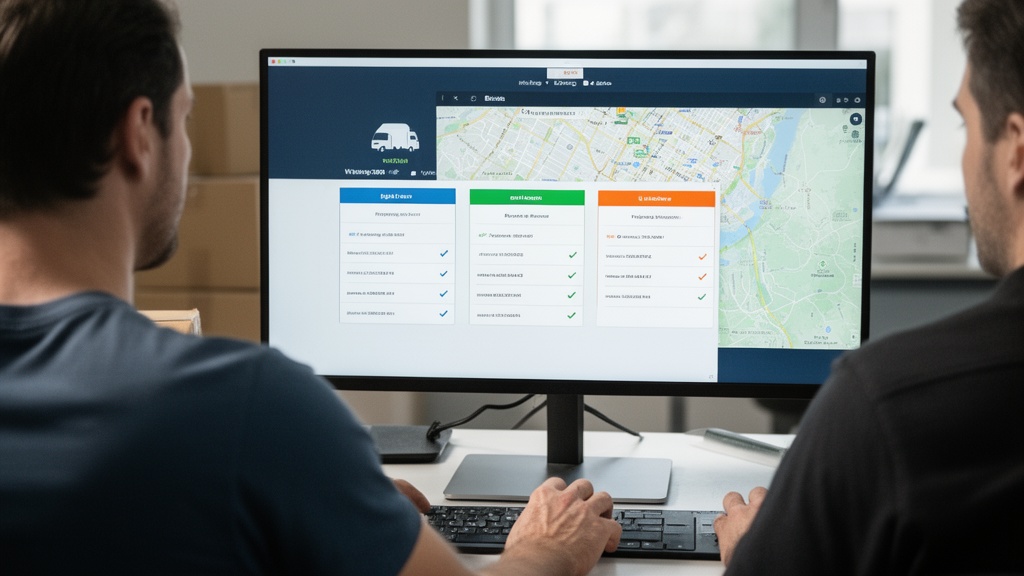
Conversion is not the only lever. The same case study tied CRM data to an 18% increase in revenue per crew day by shifting the job mix toward higher-margin work, and cut average lead response time from 6 hours to 22 minutes. Fold those gains into your model and the payback window shrinks to weeks.
Negotiating a Better Deal on Moving Software
Moving CRM pricing is more negotiable than vendors admit, especially on quote-based platforms. The single biggest lever is billing cadence: annual contracts almost always beat month-to-month. Virtual Estimate offers significant savings on annual plans, plus volume discounts for multi-location businesses — terms you confirm by reviewing the Virtual Estimate pricing plans and contacting sales.

Use these tactics when you sit down with a sales rep:
- Lead with annual billing to unlock the annual contract discount up front.
- Ask for onboarding fees to be waived — they are the easiest concession for a vendor to grant.
- Bundle seats rather than adding them piecemeal to avoid per-user pricing creep.
- Request a longer free trial if 14 days isn't enough to migrate your data.
- Get the renewal rate locked so year two doesn't jump after the introductory term.
Pro Tip: Time your negotiation for the end of the vendor's quarter. SaaS sales teams carry quotas, and a deal closed in the final week often comes with concessions that aren't on the table mid-quarter.
Why Virtual Estimate Keeps Pricing Transparent
Most moving CRMs hide their pricing, then surprise you with onboarding fees and per-seat overages. Virtual Estimate was built by movers, for movers, to solve exactly that frustration — a purpose-built CRM platform for moving companies with usage-based pricing and no credit card required to start.
The platform handles the full workflow on one system: room-by-room estimates, crew scheduling, truck logistics, lead pipeline, and invoicing. Implementation in the documented case study took just three weeks, including data migration and team training. You pay for what you use, see the cost before you commit, and keep the savings the software creates.

Start the 14-day free trial, no credit card, cancel anytime — then review the Virtual Estimate pricing plans once you've seen the value firsthand.
Start your free 14-day trial →
Related Articles
- Best Moving CRM Software: An In-Depth Comparison Guide — see how leading platforms stack up on features and value.
- Moving CRM Features: The Essential Checklist for Buyers — learn which capabilities justify a higher price tier.
- Moving CRM for Small Business: Getting Started Without the Complexity — a practical onboarding path for small operators.
- How to Choose a Moving CRM: A Decision Framework — a step-by-step method for evaluating vendors.
- Moving Company Software ROI: A Real-World Case Study — the full numbers behind the savings cited in this guide.
Ready to see it in action?
Book a free 20-minute demo and explore how Virtual Estimate can help your business.