
To get moving leads, combine owned channels — local SEO, a Google Business Profile, and customer referrals — with paid sources like Google Local Services Ads and purchased lead lists, then convert them with fast, systematic follow-up. The most profitable movers rarely lean on a single tap. They build a mix of free and paid pipelines, then win on speed and process. This playbook breaks down every source of moving leads by cost and quality, and shows the conversion systems most competitors ignore.
Demand exists year-round. The U.S. Census Bureau reports that roughly 1 in 12 Americans changed residence in 2022, which means the pipeline is there — the challenge is capturing it before a competitor does. Here's the full operator playbook.

Key Takeaways
| Point | Details |
|---|---|
| Diversify sources | Top movers blend free channels (SEO, referrals) with paid ones (Local Services Ads, lead providers) instead of relying on one. |
| Owned beats rented | Local SEO and referrals produce exclusive moving leads you own — no shared competition and no per-lead fee. |
| Speed wins deals | Firms that respond within an hour are about 7x more likely to qualify a lead than those waiting longer. |
| Quality varies wildly | Shared lead lists sell the same prospect to 3-5 movers; exclusive leads cost more but convert far better. |
| Follow-up is the multiplier | Most revenue is lost after the lead arrives — a structured moving company lead management process closes the gap. |
What Counts as a Moving Lead (and Which Ones Are Worth It)

A moving lead is any prospect who has shown intent to hire a mover and shared enough contact detail to follow up. That ranges from a form fill on your website to a purchased contact from a third-party marketplace. Not all of them carry equal value.
Lead quality hinges on three factors: exclusivity, intent, and freshness. An exclusive lead is sold to you alone. A shared lead is sold to several movers at once, so you compete on response speed and price the moment it lands.
Intent separates a tire-kicker from a booked job. Someone requesting a firm quote for a dated move outranks a visitor downloading a packing checklist. Freshness matters just as much — a lead cools fast once the prospect starts calling around.
- Residential moving leads — local household moves, the highest-volume category for most operators.
- Long distance moving leads — interstate jobs with larger tickets and longer sales cycles.
- Commercial and office moves — lower volume, higher value, often relationship-driven.
- Specialty moves — pianos, antiques, labor-only jobs, and last-minute bookings.
Understanding which categories fit your trucks and crews keeps you from paying for prospects you can't serve. For a broader view of vendor categories, see these ranked lists of moving lead companies.
Pro Tip: Score every lead source by cost per booked job, not cost per lead. A source that delivers cheap leads at a a significant share close rate often costs more per revenue dollar than a pricier source closing at a significant share.
Free vs. Paid Moving Lead Sources: Where to Start
Start with free channels to build a durable base, then layer paid channels for volume and speed. Free sources take time to compound; paid sources deliver leads within days but charge for every one. A healthy pipeline uses both.
Here's the thing: free doesn't mean effortless. A Google Business Profile, organic reviews, and word of mouth cost no ad spend but demand consistent attention. Paid channels buy speed — you flip a switch and leads arrive.
Q: Can you really get free moving leads?
A: Yes. A Google Business Profile, organic customer reviews, and local directory listings generate free moving leads, though they require consistent effort and reputation-building rather than ad budget.
| Lead Source | Typical Cost | Exclusivity | Lead Quality | Speed to First Lead |
|---|---|---|---|---|
| Local SEO / Google Business Profile | Free (time + effort) | Exclusive | High | Slow (months to rank) |
| Customer referrals | Free to low | Exclusive | Very high | Ongoing |
| Google Local Services Ads | Pay per lead | Exclusive | High | Fast (days) |
| Google Search Ads | Pay per click | Exclusive | Medium-high | Fast |
| Shared lead providers | Pay per lead | Shared (3-5 movers) | Low-medium | Instant |
| Exclusive lead providers | Higher pay per lead | Exclusive | Medium-high | Fast |
The strategic move is sequencing. Fund early growth with paid channels while your owned channels — SEO and referrals — mature into a free, exclusive pipeline. Over time, the owned side should carry more of the load and shrink your cost per acquisition. A complete overview of channel mix lives in this guide to moving service marketing.
Local SEO: How to Generate Moving Leads From Search
Local SEO is the highest-ROI free channel because it captures prospects at the exact moment they search "movers near me." The centerpiece is your Google Business Profile, which feeds the local map pack where most clicks land. Optimize it and you generate moving leads on autopilot.

Three pillars drive local rankings: relevance, distance, and prominence. You can't move your trucks closer to every searcher, but you control relevance and prominence through content, categories, and reviews. Reviews are the fuel — volume, recency, and rating all feed the algorithm.
To learn how to generate moving leads through search, focus on the fundamentals first:
- Claim and fully complete your Google Business Profile with accurate categories and service areas.
- Collect reviews continuously — ask every satisfied customer the day after the job.
- Build location and service pages on your website for each city and move type you serve.
- Earn local citations from directories and moving associations with consistent name, address, and phone data.
- Publish helpful content that answers real customer questions and earns links.
Consumer trust also rides on credibility signals. Displaying your USDOT number and licensing — which the FMCSA requires interstate movers to hold — reassures prospects comparing companies and reduces bounce.
Pro Tip: Answer every review, positive and negative, within 48 hours using natural language that mentions the city and service. Google reads review responses as fresh, relevant signals, and prospects read them as proof you're attentive.
For a deeper build-out, study these local SEO tactics to get more leads and the broader SEO for moving companies guide. Local SEO for movers rewards patience — rankings compound over months, not days.
Running Google Ads and Local Services Ads for Movers
Google Ads and Local Services Ads buy immediate visibility at the top of search results, making them the fastest paid path to exclusive moving leads. Local Services Ads (LSAs) sit above traditional search ads and charge per lead, not per click — you pay only when someone contacts you.
LSAs also carry the Google Guaranteed badge for eligible, screened businesses, which Google awards after license and background verification. That badge lifts trust and click-through for movers competing in crowded metros.
Google Ads for movers works differently. You bid on keywords like "long distance movers" and pay per click, so tight targeting and strong landing pages matter. Match the ad to intent: send "office movers" clicks to a commercial page, not a generic homepage.
Q: What's the difference between Google Ads and Local Services Ads for movers?
A: Local Services Ads charge per lead and appear above search results with a Google Guaranteed badge; Google Ads charge per click and require you to manage keywords, bids, and landing pages.
- Local Services Ads — pay per lead, verified badge, best for local residential moving leads.
- Search Ads — pay per click, granular keyword control, best for capturing high-intent long distance moving leads.
- Performance Max — automated cross-channel campaigns, useful once you have conversion tracking dialed in.
Whichever you run, conversion tracking is non-negotiable. Without it you can't tell which keywords produce booked jobs versus wasted spend. Pair paid search with the fundamentals in this digital marketing strategies guide for moving companies.
Buying Moving Leads From Providers: Pros, Cons & Costs
Buying moving leads means paying a marketplace for prospect contacts, delivered instantly but often shared with competing movers. It's the fastest way to fill an empty calendar and the easiest way to burn budget without a follow-up system. Weigh both sides before you commit.
Moderating expectations starts with understanding the model. Most moving lead providers sell shared leads — the same prospect goes to three to five movers simultaneously. Speed and price then decide who wins. Exclusive moving leads cost more but eliminate that race.
Q: Are shared or exclusive moving leads better?
A: Exclusive moving leads convert far better because you're the only mover contacting the prospect; shared leads cost less per lead but force you to compete on response time and price against several companies at once.
Pros of buying leads:
- Immediate volume with no ramp-up period.
- Predictable supply you can scale up or down.
- No long-term content or SEO investment required.
Cons of buying leads:
- Shared leads mean you compete the instant they arrive.
- Lead quality and accuracy vary by provider.
- Costs recur forever — you rent the pipeline, you never own it.
Cost depends on category and exclusivity. Long distance and commercial leads command more than local residential ones, and exclusive leads carry a premium over shared. Before spending, compare vendors carefully — this breakdown of the best providers to buy moving leads covers pricing models and quality by category.
Pro Tip: Test any lead provider with a small budget and a strict tracking window for 30 days before scaling. Measure booked jobs and revenue per lead, not just delivery volume — a provider selling cheap, stale contacts will quietly drain your margin.
Building a Referral and Repeat-Customer Engine
Referrals are the highest-converting and lowest-cost lead source because they arrive pre-trusted. A recommendation from a friend removes the skepticism that slows every cold lead. Systematized properly, moving company referrals become a compounding, exclusive pipeline.
The mistake most operators make is treating referrals as luck. They aren't. They're the output of a deliberate process: deliver a clean move, ask at the peak moment of satisfaction, and make referring effortless.
- Time the ask. Request referrals right after a smooth delivery, when gratitude is highest.
- Reduce friction. Hand over a printed referral card and a digital link the customer can text in seconds.
- Close the loop. Thank referrers and reward both sides where local rules allow.
- Reactivate past clients. People move again and know others who do — a light annual touch keeps you top of mind.
Partner referrals extend the engine. Real estate agents, apartment managers, and interior designers all meet movers before you do. Build reciprocal relationships and you tap a steady stream of qualified residential moving leads.
Repeat and referral business also lifts lifetime value, since satisfied customers cost nothing to reacquire. The foundation is service quality — dig into customer experience excellence in moving services to strengthen the experience that earns the referral in the first place.
Converting Moving Leads Into Booked Jobs
Conversion comes down to speed and structure: contact the lead fast, quote accurately, and follow up relentlessly. Getting leads is only half the battle — the other half is refusing to let them go cold. This is exactly where most competitors quit.

Speed is the single biggest lever. Harvard Business Review's research on online lead response found that firms replying within an hour were about 7 times more likely to have a meaningful conversation with a decision-maker than those who waited even 60 minutes longer. In a shared-lead market, minutes decide who books the job.
Q: How fast should you respond to a new moving lead?
A: Aim to respond within five minutes. Response speed is the strongest predictor of conversion, and movers who contact a lead first win a disproportionate share of shared leads.
To convert moving leads consistently, run a fixed follow-up cadence rather than relying on memory:
| Timing | Action | Channel |
|---|---|---|
| Within 5 minutes | Acknowledge and attempt first contact | Call + text |
| Same day | Send an accurate written estimate | |
| Day 2 | Follow up on questions and objections | Call |
| Day 4-7 | Value touch and gentle nudge | Text / email |
| Day 14+ | Long-cycle nurture for future move date |
Accuracy seals the deal. A precise estimate builds trust; a vague or lowball number invites cancellations later. The discipline of responding to leads quickly and quoting cleanly separates high-booking movers from the rest. Benchmark your own numbers against what a good booking rate for contractor services looks like.
Using a CRM to Track, Nurture, and Close Leads Faster
A moving CRM is the system that makes fast, consistent follow-up possible at scale. It captures every lead in one pipeline, automates reminders, and stops prospects from slipping through the cracks between the phone and the truck. Without it, speed and structure collapse under volume.
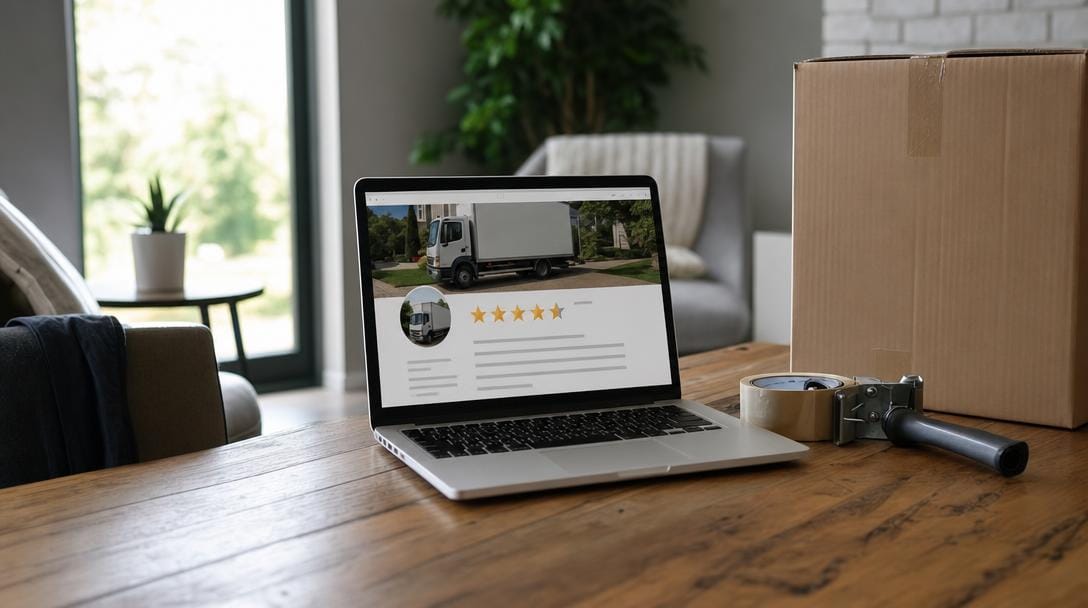
A purpose-built moving CRM organizes each lead with full client info, moving details, inventory, follow-up history, notes, and invoices in one place. That single view lets a dispatcher pick up any lead and know exactly where it stands — no sticky notes, no lost details.
The payoff shows up across the funnel:
- Faster response through instant lead capture and automated first-touch reminders.
- Consistent nurture via scheduled follow-up sequences that run without manual tracking.
- Cleaner handoffs because sales, estimating, and operations share the same record.
- Better decisions from reporting that shows which sources actually produce booked jobs.
This is the operational backbone competitors skip. Any SaaS platform is only as good as the process behind it, but the right software removes the friction that kills follow-through. Explore how to structure it in this guide to the best CRM for moving companies and the deeper moving company CRM operations guide.
Pro Tip: Automate the first response, not the whole relationship. Trigger an instant text and email the moment a lead arrives, then have a human take over within minutes — automation buys speed, but people close moving jobs.
Related Articles
- Marketing for Moving Companies: Strategies That Fill Your Pipeline — a full-funnel view of how marketing channels feed a steady lead pipeline.
- Moving Company Leads: Best Sources and How to Convert Them — a source-by-source breakdown with conversion tactics.
- Moving Company Web Design: What Converts Visitors Into Booked Jobs — how site structure and quote flows turn traffic into leads.
- Digital Marketing Strategies for Moving Companies — a complete guide to building an online lead-generation engine.
- CRM for Moving Companies: Streamline Operations — how a CRM ties lead capture, nurture, and dispatch together.
Ready to see it in action?
Book a free 20-minute demo and explore how Virtual Estimate can help your business.