
To get long distance moving leads that convert, run three channels at once: buy exclusive leads from a vetted moving leads provider, generate your own through local SEO, and close them with fast quotes plus disciplined follow-up. Purchased leads fill the pipeline. Your response speed and nurture process win the booking.
Long distance moves are the highest-value jobs a mover can book, and the competition for them is fierce. The gap between a profitable interstate operation and a wasted ad budget usually comes down to process, not luck. This playbook walks through six steps to source, qualify, and convert long distance moving leads — plus the mistakes that quietly drain most lead budgets.

Key Takeaways
| Point | Details |
|---|---|
| Use three channels | Buying leads, local SEO, and referrals together outperform any single source for long distance volume. |
| Speed wins bookings | Responding within an hour makes reps seven times more likely to qualify a lead, per Harvard Business Review. |
| Exclusivity beats volume | Exclusive leads cost more per contact but convert at higher rates than shared leads sold to many movers. |
| Regulation builds trust | Interstate movers must register with the FMCSA and carry a USDOT number, a trust signal buyers check. |
| CRM discipline compounds | Structured follow-up in a CRM recovers leads that never book on the first contact. |
1. Understand What Makes Long Distance Leads Different
Long distance leads behave differently from local ones. They involve interstate regulation, longer sales cycles, and buyers who shop harder because the price tag is bigger.
A long distance or interstate move typically crosses state lines or covers several hundred miles. Interstate household goods movers must register with the FMCSA and carry a USDOT number, so these customers often research licensing before they ever call. That raises the bar on trust signals in every quote and ad.
Demand is steady. Roughly one in twelve Americans relocates each year, and a meaningful share of those moves cross state lines. Interstate moving leads represent a smaller but far more valuable slice of total moving demand.
The sales cycle is also longer. A local customer may book within 48 hours; an interstate customer often plans weeks ahead, compares three to five companies, and expects a detailed estimate. That planning window is exactly where most bookings are won or lost.
Q: What counts as a long distance move?
A: A long distance move generally crosses state lines or exceeds about 400 miles, and interstate moves fall under FMCSA regulation that requires a USDOT number.
2. Choose the Right Moving Leads Provider
The right moving leads provider delivers verified, intent-rich contacts in your lanes — not recycled form fills resold to a dozen movers. Choose based on exclusivity, geographic match, verification, and return policy.
Before you buy long distance moving leads, vet each vendor against clear criteria:
- Exclusivity: does the lead go only to you, or to several movers at once?
- Lane coverage: can they supply your specific origin-to-destination routes?
- Verification: are phone numbers and move details validated before delivery?
- Return policy: will they credit disconnected numbers or obvious junk?
- Volume consistency: can they sustain steady flow without dumping filler to hit quotas?
For a deeper breakdown of vendors and pricing models, review this guide to the best moving lead providers.
| Lead source | Exclusivity | Cost basis | Competition | Best fit |
|---|---|---|---|---|
| Shared marketplace | Sold to several movers | Per lead (low) | High | Filling volume fast |
| Exclusive lead gen | Sold to one mover | Per lead (higher) | Low | Higher close rates |
| Pay-per-call | Usually exclusive call | Per qualified call | Low–medium | Phone-strong sales teams |
| Your own SEO/site | Fully exclusive | Time + content | None | Long-term margin |
Pro Tip: Ask every vendor for the lead's original source URL and timestamp before you sign. A provider that cannot show where and when the inquiry was captured is often reselling aged data as fresh.

3. Evaluate Equate Media and Other Lead Sources
Equate Media is a lead generation company that captures consumer inquiries across service categories, including removals and moving, then routes them to matched businesses. Equate Media moving leads are typically distributed on a per-lead basis rather than a subscription.
When weighing any international or aggregator source, confirm three things directly with the provider: whether the leads are exclusive, whether they cover your U.S. interstate lanes, and how pricing and returns work. Do not assume terms — request them in writing.
Compare aggregators against U.S.-focused providers when you build your mix. A ranked overview of the top moving leads providers helps you benchmark exclusivity and lane coverage across the best moving leads companies before committing budget.
Q: What is Equate Media for moving leads?
A: Equate Media is a lead generation firm that sells consumer moving inquiries to service businesses; verify exclusivity, coverage, and pricing directly, since terms vary by campaign.
4. Generate Your Own Leads With Local SEO
Generating your own leads is the only channel that produces fully exclusive contacts at falling marginal cost. Owned moving lead generation through local SEO, reviews, and content builds an asset competitors cannot buy away from you.
Start with the fundamentals of interstate moving lead generation:
- Build location and lane pages targeting your top origin-destination routes.
- Claim and optimize your Google Business Profile with accurate service areas.
- Earn reviews consistently — the overwhelming majority of consumers read online reviews before hiring a local business, per BrightLocal.
- Publish helpful content on costs, timelines, and licensing to capture research-stage buyers.
The tactics behind ranking for these queries are covered in this guide to SEO for movers. Pair it with a broader moving service marketing plan so paid and organic channels reinforce each other.
Strong long distance mover marketing treats content as a compounding investment. A single ranking lane page can produce exclusive leads for years, while purchased leads stop the moment the invoice does.
Pro Tip: Build a dedicated landing page for each high-volume route — for example, "Chicago to Dallas movers" — rather than one generic long distance page. Route-specific pages match searcher intent and convert far better than broad ones.
5. Respond and Quote Fast to Win the Booking
Speed is the single highest-leverage variable in lead conversion. Responding within an hour makes reps seven times more likely to have a meaningful conversation with a decision-maker, Harvard Business Review found — and the advantage shrinks fast after that.
For purchased and shared leads, minutes matter even more, because the same contact may be racing to three competitors. The mover who quotes first and accurately usually books the job. Detailed guidance on how lead response time affects bookings shows how a few minutes changes close rates.
Speed only helps if the quote is credible. Long distance customers expect an itemized estimate — inventory, weight or cubic footage, and transit window — not a vague phone number. A structured video or virtual survey delivers that precision quickly.
Q: How fast should you respond to a moving lead?
A: Aim to make first contact within five minutes and no later than one hour; HBR research shows odds of qualifying a lead drop sharply after the first 60 minutes.

6. Track and Nurture Leads in a CRM
Most long distance leads do not book on the first call — they book on the third or fourth touch. A CRM turns that reality into revenue by making sure no interested buyer slips through.
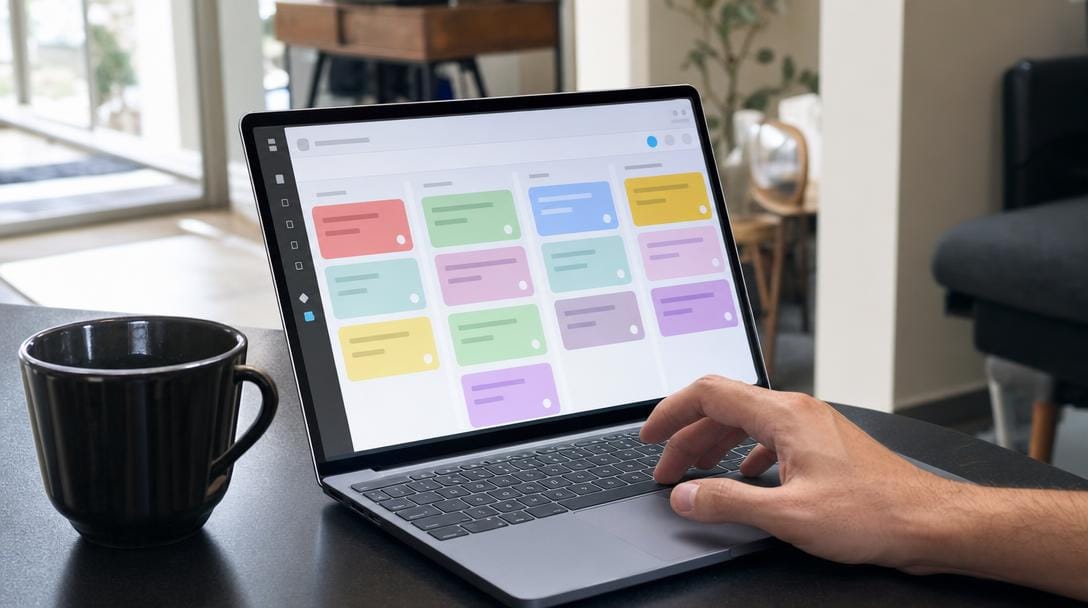
A moving CRM captures each inquiry with full client info, moving details, inventory, follow-up history, notes, and invoices organized in one pipeline. The ability to track and nurture leads in a CRM is what separates operators who close 1 in 5 leads from those who close 1 in 20.
Disciplined follow-up is a system, not a memory game. Sequenced reminders, saved quote templates, and status stages keep every long distance opportunity moving forward. For a full framework, see this guide to moving company lead management.
Nurture matters most for interstate jobs because of the long planning window. A lead who is "just researching" in month one becomes a booked job in month two — but only if someone follows up on schedule.
Common Mistakes That Waste Long Distance Leads
Most wasted lead spend traces back to a handful of avoidable errors. Fixing them often doubles a moving lead conversion rate without spending a dollar more on leads.
- Slow first response: letting shared leads sit for hours guarantees a competitor books them first.
- No follow-up sequence: a single voicemail is not a nurture strategy; interstate buyers need several touches.
- Buying only shared leads: competing against five movers on every contact crushes margins.
- Ignoring lead quality tracking: without source-level data, you keep paying for vendors that never convert.
- Vague quotes: long distance customers reject estimates that lack inventory, weight, and a clear transit window.
The FTC urges consumers to get written estimates and verify a mover's registration, so sloppy, undocumented quotes actively cost you trust. The moving industry runs on credibility, and movers and material-moving work employs millions of U.S. workers competing for the same relocations.
Pro Tip: Tag every lead with its exact source in your CRM and review close rates by source monthly. Cut the bottom-performing vendor each quarter and reinvest that budget into your best-converting channel.
Exclusive vs. Shared Leads: Which Converts Better?
Exclusive moving leads convert better than shared leads because you are the only mover contacting that customer. Shared leads cost less per contact but force you to compete on speed and price against several companies at once.
The shared vs exclusive leads decision is really a trade-off between volume and win rate. High-volume phone teams can profit from shared leads if they respond in seconds. Margin-focused operators usually earn more from exclusive leads and owned SEO.
| Factor | Shared leads | Exclusive leads |
|---|---|---|
| Buyers per lead | Multiple movers | One mover |
| Price per lead | Lower | Higher |
| Response pressure | Extreme — first to call wins | Lower |
| Typical close rate | Lower | Higher |
| Best for | High-volume phone teams | Margin-focused operators |
The strongest operations blend both: shared leads for volume, exclusive leads and organic traffic for margin. That mix keeps the pipeline full while protecting profitability on your best-fit long distance jobs.
Related Articles
- Marketing for Moving Companies: Strategies That Fill Your Pipeline — how to build a marketing engine that produces steady interstate demand.
- Moving Company Leads: Best Sources and How to Convert Them — a breakdown of every major lead source and the tactics that turn them into jobs.
- Moving Company Web Design: What Converts Visitors Into Booked Jobs — the on-site elements that turn organic traffic into quote requests.
- Digital Marketing Strategies for Moving Companies — a complete guide to paid and organic channels for movers.
- CRM for Moving Companies: Streamline Operations — how a CRM organizes leads, quotes, and follow-ups in one pipeline.
Recommended Reading
Ready to see it in action?
Book a free 20-minute demo and explore how Virtual Estimate can help your business.