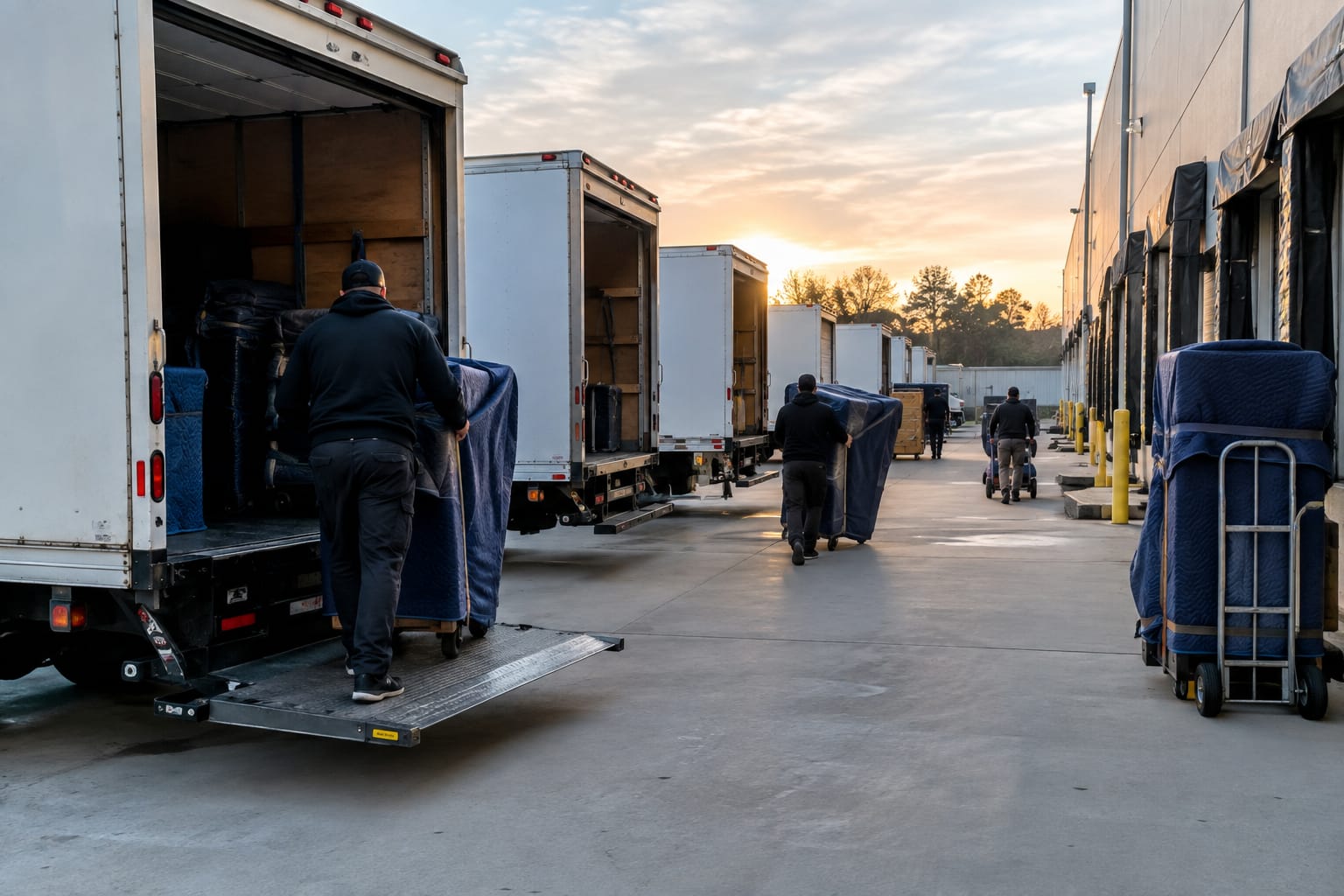

Moving operators have priced jobs the same way for decades. An estimator drives to the home, walks the rooms, eyeballs the contents, and writes a number. That model is slow, inconsistent, and expensive to scale. The latest trends in AI for moving estimates now let companies turn a customer's smartphone video into an accurate, room-by-room quote in minutes. This article breaks down five concrete trends, separates what is production-ready from what is still emerging, and hands operators a roadmap they can act on this quarter.
| Point | Details |
|---|---|
| Five actionable trends | Video quotes, computer vision, predictive pricing, conversational AI, and lead scoring lead the shift. |
| Speed wins jobs | Video-based estimates cut a two-hour-plus survey to roughly 10 minutes of review. |
| Data drives accuracy | 65% of organizations regularly use generative AI, and moving pricing is following the trend. |
| Mind the maturity gap | Three trends are production-ready today; fully autonomous pricing is 12–24 months out. |
| Humans stay in the loop | AI augments estimators rather than replacing them, reviewing edge cases for accuracy. |
Why AI Is Changing How Moving Companies Price Jobs
AI changes moving estimates by replacing subjective walkthroughs with data. Instead of one estimator's judgment, machine learning models analyze video, measure item volumes, and price against thousands of completed jobs—producing faster, more consistent quotes customers can request at any hour.
The shift mirrors a broader business trend. 65% of organizations now regularly use generative AI in at least one business function, per McKinsey's most recent global survey on AI. Federal data also shows AI adoption among U.S. businesses climbing steadily, and the moving sector is following.
Why now? Three forces converged. Smartphone cameras got good enough for reliable computer vision. Cloud compute made model training affordable. And customers, used to instant quotes everywhere else, stopped tolerating multi-day waits.
For an industry where interstate household goods moves are federally regulated and margins are thin, accuracy is money. A quote that runs too low erodes profit. A quote that runs too high loses the job. The role of artificial intelligence in moving industry pricing is to shrink both errors at once.
Q: What is driving AI adoption in moving estimates right now?
A: Cheaper cloud computing, smartphone cameras capable of computer vision, and customer demand for instant quotes have together pushed ai moving estimate technology 2026 from pilot projects into everyday operations.
Instant AI-Generated Quotes Without a Site Visit
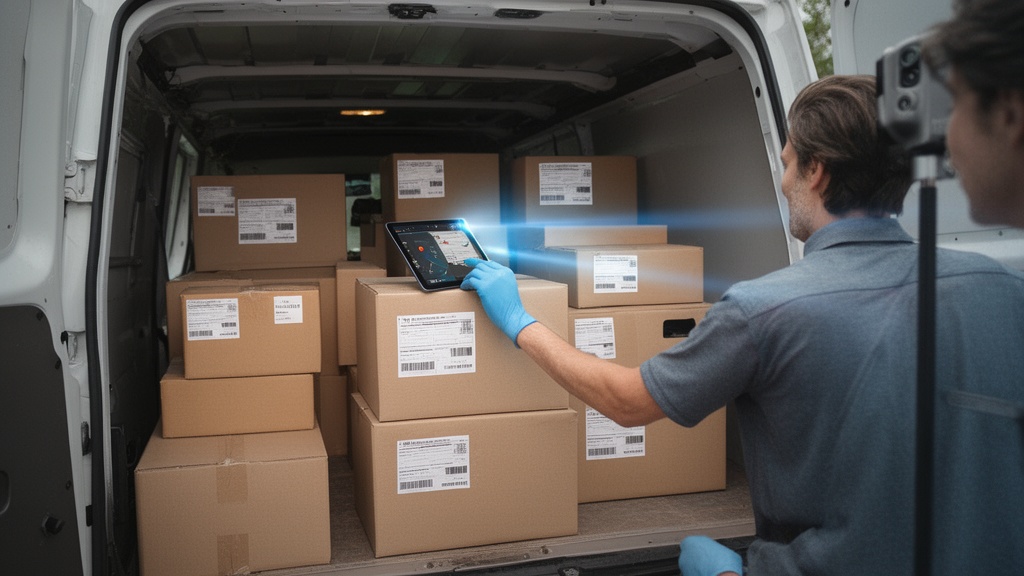
The first and most visible trend is the disappearance of the in-home visit. A customer records a short video walkthrough, uploads it, and receives a detailed estimate—often within minutes. No scheduling, no drive time, no waiting.
This matters because speed wins jobs. The first company to deliver a quote frequently books the move. ai-powered moving quotes let an operator respond instantly, even at midnight, without dispatching staff.
The operational savings are real. A traditional in-home survey can consume two or more hours of a salesperson's day once travel is counted. Video-based estimates compress that to roughly ten minutes of review. For a deeper breakdown, see this guide to AI-powered moving estimates.
| Criteria | Traditional manual estimate | AI-powered estimate |
|---|---|---|
| Time to deliver quote | Hours to days | Minutes |
| Requires home visit | Yes | No |
| Consistency across staff | Varies by estimator | Standardized by model |
| Inventory detail | Handwritten list | Room-by-room digital inventory |
| Customer convenience | Appointment required | Self-service, any time |
Pro Tip: Send the video-survey link by text within 60 seconds of a lead arriving. Response speed, not estimate perfection, is the strongest predictor of which company books the job.
Computer Vision That Identifies Furniture From Customer Video
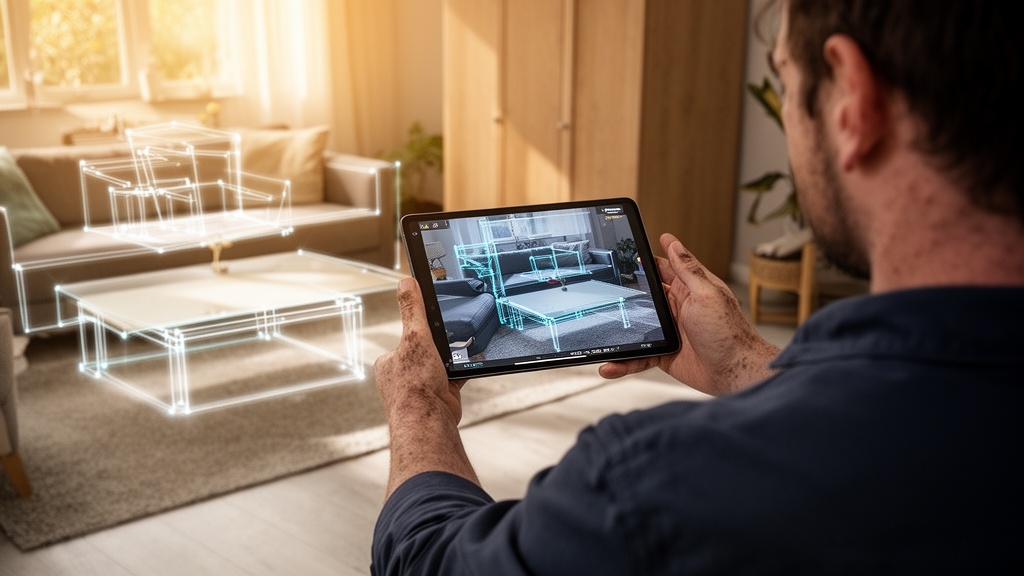
Computer vision is the engine behind video estimates. The technology detects, labels, and measures objects in footage—recognizing a sofa, a dresser, or a stack of boxes and assigning each a volume in cubic feet.

Modern computer vision moving estimates work by training models on large libraries of labeled household items. As the camera pans a room, the system tags items in real time, much like the image-recognition systems that NIST evaluates for accuracy across industries.
The payoff is a complete, defensible inventory. Every item is timestamped to the video, so disputes drop and crews arrive with the right truck and headcount.
Q: How does computer vision turn a customer video into an estimate?
A: Computer vision detects and labels each item in the footage, estimates its volume, and totals the cubic footage—then a pricing model converts that volume into a moving cost using local rates and job parameters.
Predictive Pricing Engines Trained on Historical Job Data
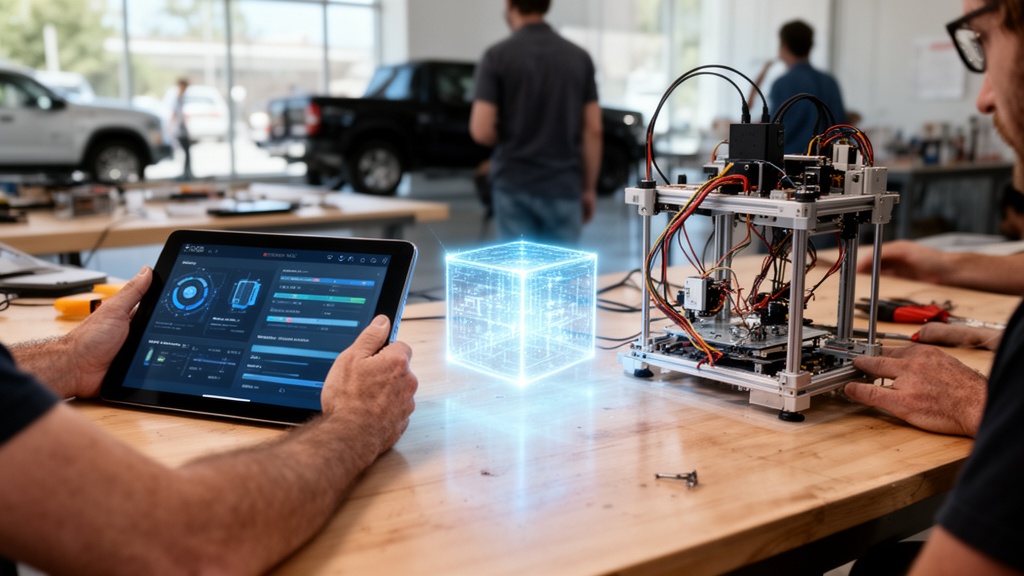
Volume is only half the equation. Predictive pricing engines convert that inventory into a number using machine learning moving estimates trained on a company's own history—actual hours, crew sizes, mileage, access challenges, and final invoices.

This is where predictive pricing moving companies gain an edge. A model that has seen thousands of completed moves learns patterns a human cannot hold in memory: that third-floor walk-ups in a given zip code run 18 minutes longer, or that piano moves spike labor on weekends.
The more data the model ingests, the tighter its forecasts become. Over time, the gap between quoted and actual cost narrows—protecting margin without scaring off customers.
Pro Tip: Feed the model your post-move actuals, not just your original quotes. A pricing engine trained on what jobs really cost—rather than what you guessed—corrects its own blind spots within a few months.
Conversational AI That Pre-Qualifies Leads Before Human Contact
Not every lead deserves equal attention. Conversational AI—chatbots and voice assistants built on natural language processing—engages prospects instantly, answers common questions, and gathers move details before a human picks up.
These tools collect origin, destination, date, and home size through natural dialogue, then route qualified leads to sales. Gartner expects conversational AI to handle a growing share of customer interactions across service industries, and moving is no exception.
The benefit is filtered demand. Tire-kickers self-serve answers; serious movers get fast follow-up. Most consumers have already interacted with AI chatbots, so the experience feels familiar rather than novel.
- Captures leads 24/7 without staffing a night shift
- Asks consistent qualifying questions every time
- Books video-survey appointments automatically
- Hands warm, detailed leads to human closers
CRM-Integrated AI That Scores and Prioritizes Moving Leads
The fifth trend ties everything together inside the CRM. AI lead scoring ranks incoming prospects by likelihood to book, so dispatchers and sales reps work the hottest leads first.
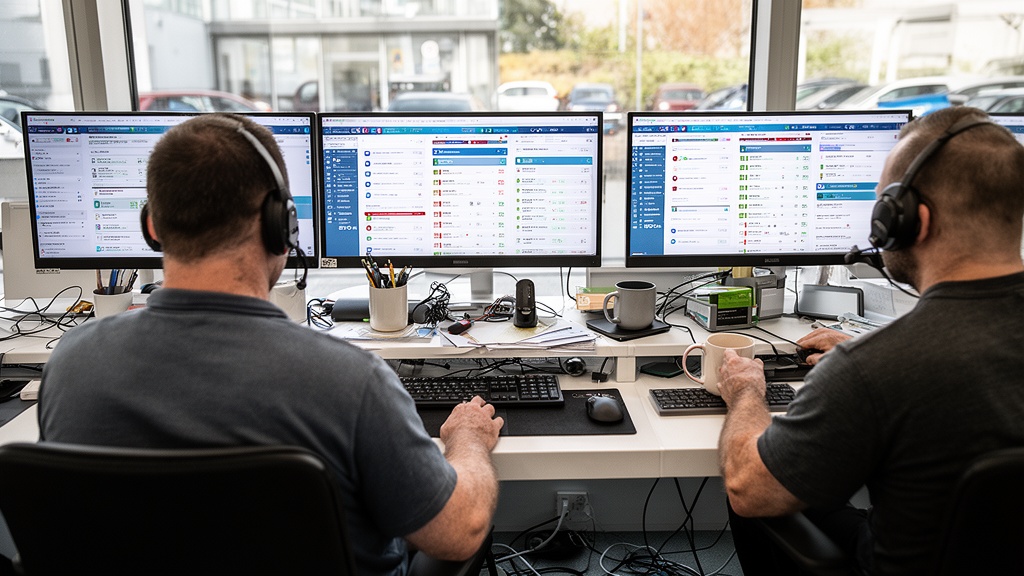
Scoring models weigh signals like move distance, timeline urgency, home size, and engagement with the quote. High-scoring leads surface to the top; low-intent ones drop into automated nurture. Operators can explore AI estimation solutions for moving companies that combine scoring with automated estimates in one workflow.
The result is better use of finite sales time. A small team stops spreading effort evenly and starts concentrating it where revenue is most likely.
Q: How does AI lead scoring help a moving company book more jobs?
A: AI lead scoring ranks each prospect by booking probability using signals like distance, urgency, and home size, so sales reps contact the highest-value movers first instead of working leads in random order.
Which AI Trends Are Production-Ready vs. Still Emerging
Not every trend is equally mature. Some are battle-tested today; others need 12 to 24 months. Sorting them is the difference between a smart investment and an expensive science project. Here is how the moving industry technology trends 2026 stack up.
| AI capability | Maturity | Realistic timeline |
|---|---|---|
| Instant video-based quotes | Production-ready | Available now |
| Computer vision item recognition | Production-ready | Available now |
| Conversational AI pre-qualification | Production-ready | Available now |
| Predictive pricing from job history | Maturing | 0–12 months |
| Fully autonomous pricing (no human review) | Emerging | 12–24 months |
The honest read on the future of moving estimates: video quotes, computer vision, and chatbots are ready to deploy now. Predictive pricing works well but needs clean historical data. Fully hands-off pricing—zero human review—is not there yet. For a wider view, this is a deeper look at how AI is reshaping the moving industry.
Pro Tip: Keep a human reviewer on every AI quote for the first 90 days. Use that window to catch edge cases—storage units, oversized items, tight access—and feed corrections back into the system before trusting it unattended.
How Moving Companies Can Start Adopting AI Estimation Tools Today
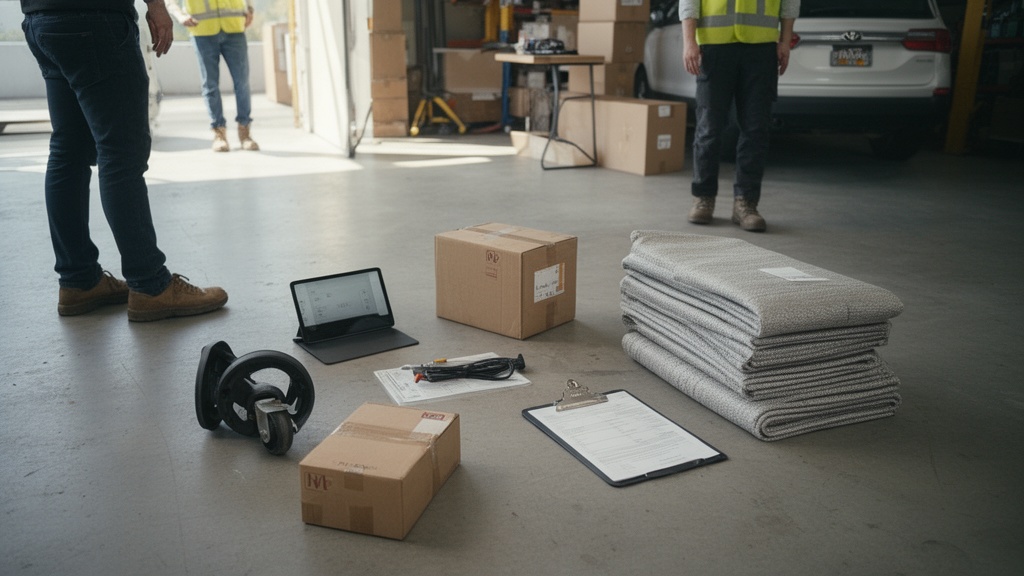
Adoption does not require ripping out existing systems. The practical path is incremental, and it lowers risk at every step.
- Start with video-based estimates, the highest-impact, lowest-risk entry point.
- Add conversational AI to capture and qualify leads around the clock.
- Layer in lead scoring once the CRM holds enough data to rank prospects.
- Introduce predictive pricing after several months of clean job actuals.
- Keep humans in the loop, reviewing AI output until accuracy earns trust.
The companies pulling ahead are not the ones with the biggest budgets. They are the ones that started, measured, and iterated.
Related Articles
- AI Quoting for Moving Companies: How It Works and Why It Wins Jobs — Learn how automated quoting shortens response time and helps movers book more jobs.
- How AI Question Flows Work in Moving Calculators — See how dynamic question logic gathers the right details for an accurate estimate.
- AI Software That Analyzes Client Videos for Moving Estimates: What Exists Today — A practical look at the video-analysis tools available to movers right now.
- AI Lead Routing for Moving Companies: Smarter Lead Distribution — Understand how automated routing puts the right lead in front of the right rep.
Recommended Reading
- AI Tools for Moving Companies
- AI-Powered Moving Estimates: The Complete Guide for Movers
- How AI Estimation Technology Works for Moving Companies
- AI vs. Manual: Improved Estimation Accuracy for Movers
- AI-Driven Technology in the Moving Industry: Key Trends
Ready to see it in action?
Book a free 20-minute demo and explore how Virtual Estimate can help your business.