

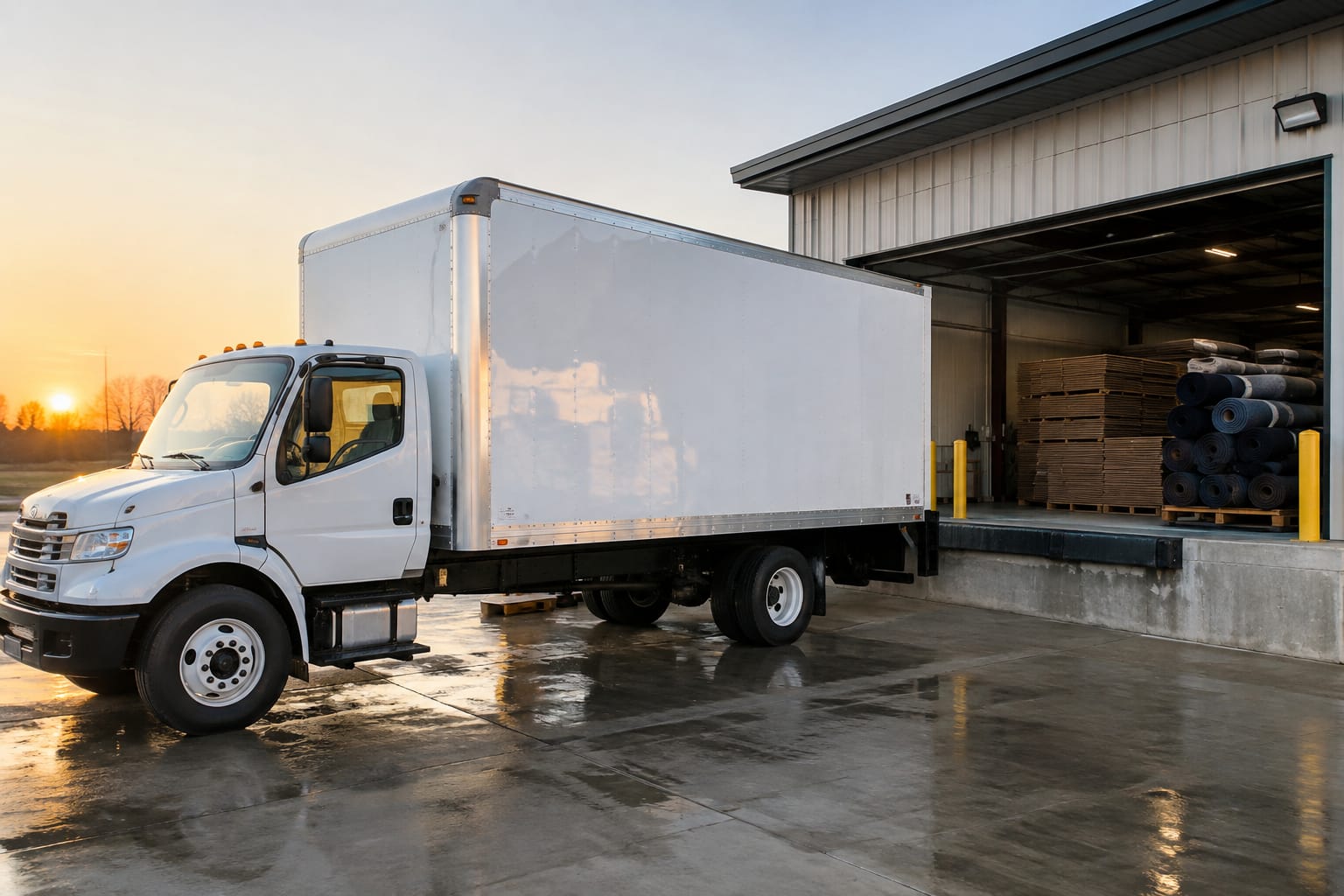
The legal side of starting a moving company business begins with one decision: where your trucks will operate. Local, intrastate and interstate movers answer to different regulators. That choice determines which registrations, insurance and paperwork you need.
This guide is for founders and new owners of US moving companies who are building the legal foundation before booking the first paid job. It covers seven steps, from forming an LLC to issuing a compliant bill of lading, and links to the primary federal source at each stage. Treat it as a map for planning. It does not replace advice from an attorney or accountant licensed in your state.
Key Takeaways
- Scope comes first. Interstate household goods carriers fall under FMCSA, while intrastate and local movers answer to state regulators. Decide scope before filing anything.
- Structure limits personal exposure. An LLC generally separates business liabilities from personal assets. An S corporation is a tax election that an eligible LLC can make.
- Interstate needs federal registration. Interstate for-hire movers need a USDOT number, FMCSA operating authority and a BOC-3 process agent designation.
- Insurance and valuation are different.
- Paperwork and claims run on federal rules.
Before Step 1: Decide Whether You Will Move Locally, Intrastate or Interstate
Your operating scope decides who licenses you. The Federal Motor Carrier Safety Administration (FMCSA) regulates carriers that move household goods across state lines. State agencies regulate moves that start and end inside one state.
FMCSA's USDOT number eligibility guidance bases the answer on whether you operate in interstate commerce, what you haul and the vehicles you use. Run your planned operation through that page before you file anything. The answer shapes every step below.
| Operating scope | What it means | Primary regulator | What to research first |
|---|---|---|---|
| Local | Short-distance moves inside one metro area | State and local authorities | State mover license or permit, local business licenses |
| Intrastate | Origin and destination in the same state | State regulator (often a PUC, DPU or state DOT) | State household goods authority, state tariff rules, state USDOT rules |
| Interstate | The shipment crosses a state line | FMCSA | USDOT number, FMCSA operating authority, BOC-3 process agent designation |
Local moves usually fall under the same state rules as other intrastate moves. Some states set separate rules for hourly or short-distance work, so check with your state regulator directly.
Step 1: Pick a Business Structure (LLC, S-Corp or Sole Proprietorship)
Your business structure decides who carries the liability when something breaks or someone gets hurt. Moving involves heavy lifting, customer property and large vehicles on public roads. That exposure makes structure a practical decision, not a paperwork formality.
The SBA's guide to choosing a business structure explains the trade-offs:
Sole proprietorship: The simplest to set up. It does not separate your personal assets from business debts and lawsuits.
S corporation: A tax election, not a separate entity type. The IRS describes S corporations as corporations that elect to pass income, losses, deductions and credits through to their shareholders.
A moving company LLC protects you only if you run it as a separate business. Keep separate bank accounts, sign contracts in the company's name, and title trucks to the entity where your lender and insurer allow it.
Pro Tip: Use the exact same legal name on your state filing, EIN, FMCSA registration, insurance policies and truck lettering. Mismatched names are a common reason applications stall and policies get questioned.
Step 2: Register Your Moving Business and Get an EIN
Registering creates the legal entity, and the EIN is its federal tax ID. You file formation documents with your state's business filing office, usually the Secretary of State. If you will operate under a name other than the legal entity name, you also file a DBA ("doing business as") registration.
The SBA's business registration guide covers state, county and city filings. Many cities also require a general business license or occupational permit. Check these before you park a truck at a commercial address.
Next, apply for an Employer Identification Number (EIN). The IRS issues EINs through a free online application. You will need the EIN for payroll, business banking and most federal and state registrations. Moving crews are usually employees, so get it before your first hire.
Step 3: Get a USDOT Number and FMCSA Authority
A USDOT number is the unique identifier FMCSA assigns to a motor carrier to track its safety record, audits and inspections.
FMCSA's page on obtaining operating authority explains that authority is required in addition to the USDOT number for for-hire interstate carriers of regulated commodities. FMCSA has been modernizing its registration system. Confirm the current application path on FMCSA's registration pages before you apply rather than relying on an older checklist.
Interstate moving authority also requires a BOC-3 process agent designation. A process agent is a person or company that accepts legal documents on your behalf in each state where you operate and each state you travel through. FMCSA's process agent page defines what a process agent is.
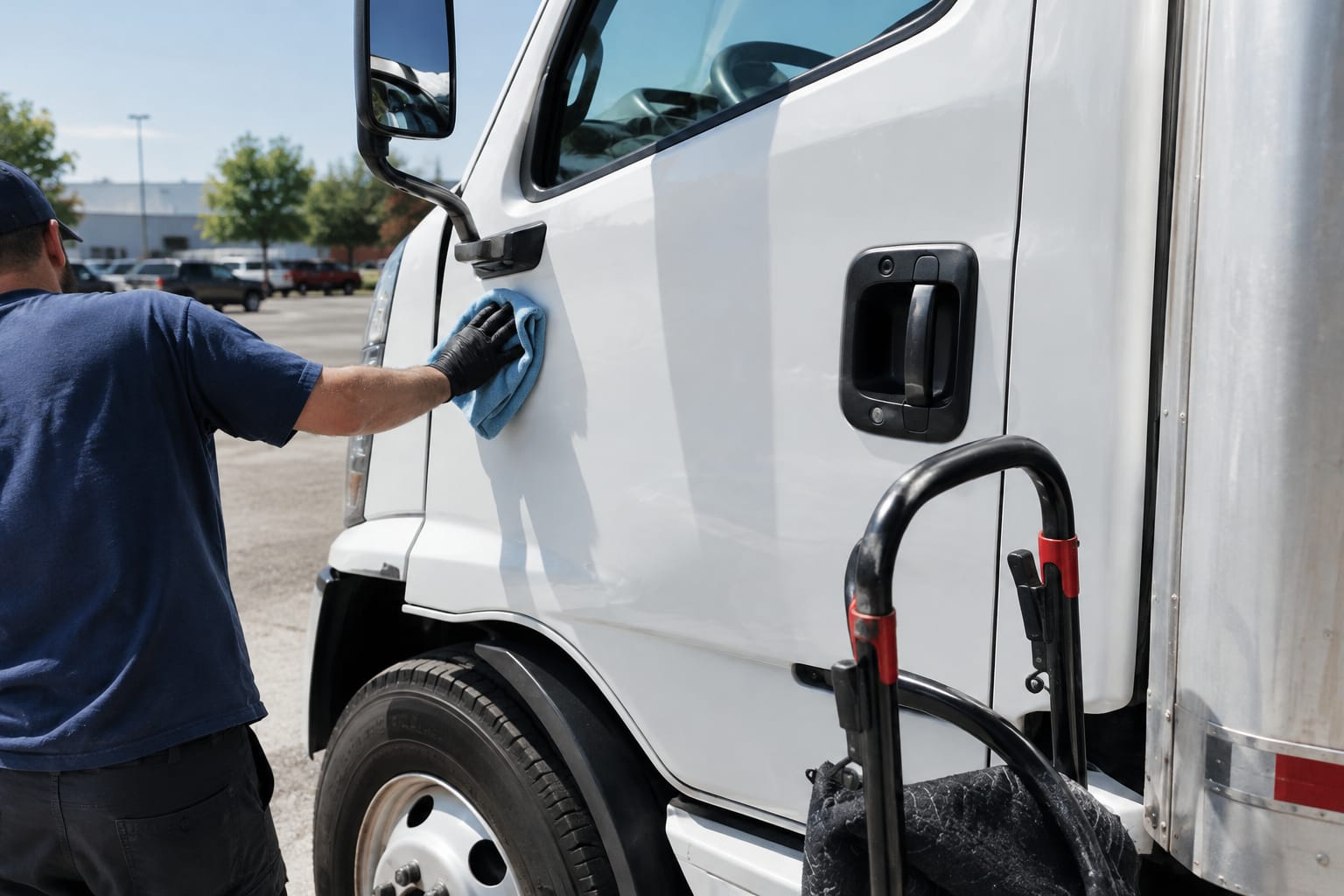
Once registered, your trucks need proper markings. Letter the trucks only after your registration is active and the name matches your filings.
Step 4: Meet State Licensing and Tariff Requirements
State rules govern every move that starts and ends in one state, and they vary widely. Depending on the state, household goods carrier registration runs through a public utilities commission, a department of public utilities, a state DOT or a consumer affairs agency. Some states require a certificate, a bond, a filed tariff or a background check.
Q: Do I need a USDOT number if I only do local moves?
A: Confirm the current requirement with FMCSA and your state. Check FMCSA's list and your state regulator before your first job.
A moving company tariff is a published schedule of your rates, rules and charges.
Intrastate tariff rules depend on the state. Some states regulate maximum rates or require you to file a tariff with the regulator, while others leave pricing to the carrier. Ask your state regulator three questions: what license you need, whether you must file a tariff, and what disclosures customers must receive.
Step 5: Carry the Right Insurance and Cargo Coverage
Insurance protects the business, and liability coverage for customer goods is a separate legal obligation. New owners often confuse the two. Keep them distinct from day one.
Confirm the levels that apply to your operation with FMCSA's registration guidance and a commercial insurance agent who writes moving accounts. State regulators often set their own coverage requirements for intrastate movers.
Most moving companies evaluate four core policies:
- Commercial auto liability for trucks and vans.
- Cargo (motor truck cargo) coverage for customer goods in your care.
- General liability for property damage and injuries at the customer's home.
- Workers' compensation for crew injuries.
Valuation is a separate concept. Review moving terms like released value protection before writing your estimate forms. For policy-by-policy detail, read this guide to business insurance for moving companies.
Step 6: Set Up Contracts, Bills of Lading and Compliant Paperwork
** For interstate moves, confirm the current requirements with the relevant authority.
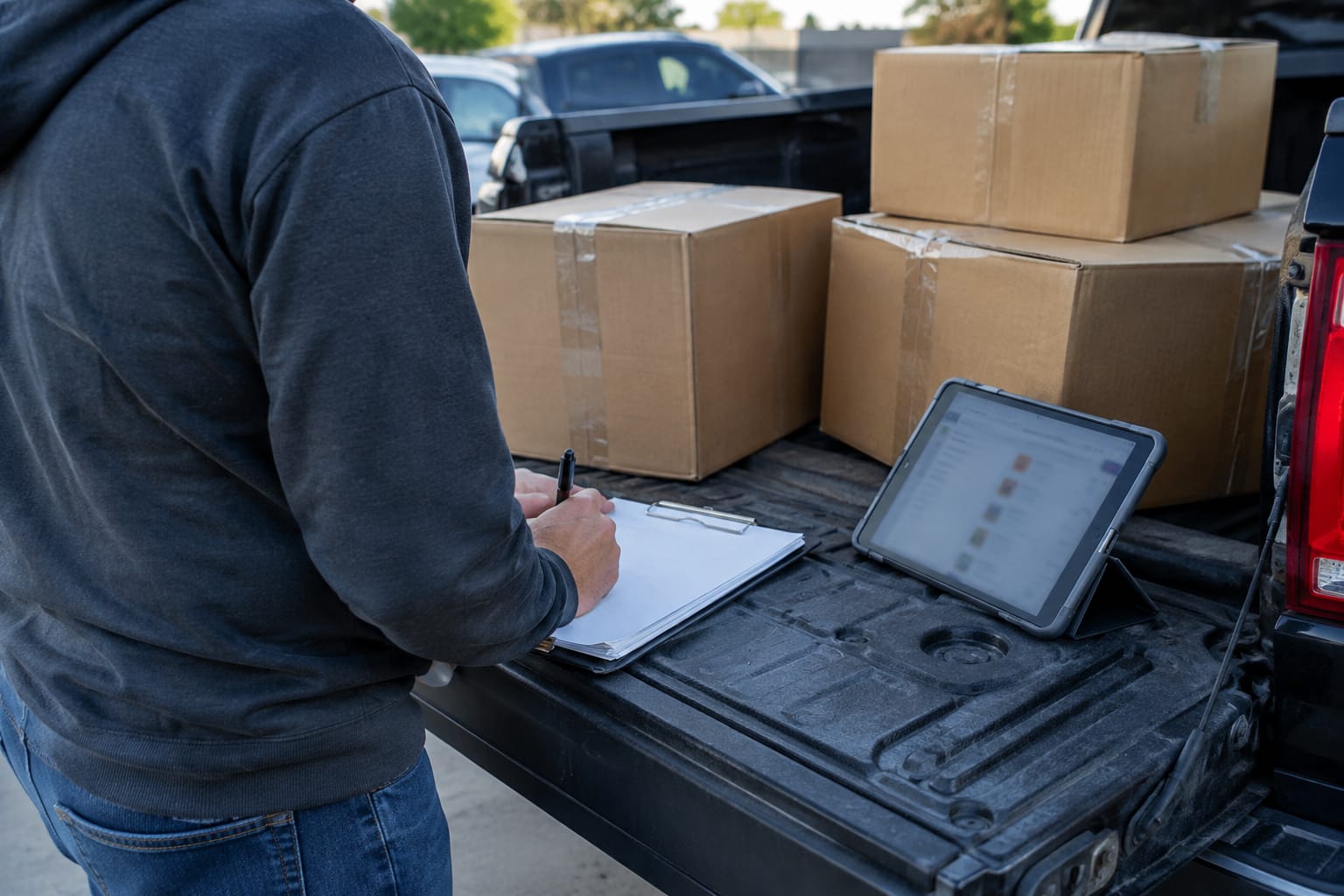
FMCSA's Protect Your Move resources show what customers are told to expect from a legitimate mover. Building your paperwork to match those expectations reduces disputes later. For a field-by-field breakdown, review the DOT requirements for a moving company bill of lading.
Q: What documents must an interstate mover give customers before the move?
A: Confirm the current requirements with FMCSA.
The practical challenge is keeping these documents consistent. When the inventory on the estimate differs from the inventory on the bill of lading, disputes follow. Many movers now use an electronic Bill of Lading with e-signatures so the estimate's inventory carries into the signed document without retyping.
Digital records hold customer names, addresses and signatures, so storage matters. Before you choose a system, ask vendors to explain how customer records are protected. Data isolation, encryption in transit and at rest, and two-factor authentication on admin logins are reasonable baseline questions.
Step 7: Stay Compliant as You Book Your First Moves
Compliance continues after registration. Keep driver, vehicle and maintenance records organized from the first job.
Build these items into your operating calendar:
Update your registration. Confirm the current registration update requirements with FMCSA.
Maintain driver qualification files. Confirm the current requirements with FMCSA.
Handle claims on the regulatory clock. Confirm the current claim-handling requirements with FMCSA.
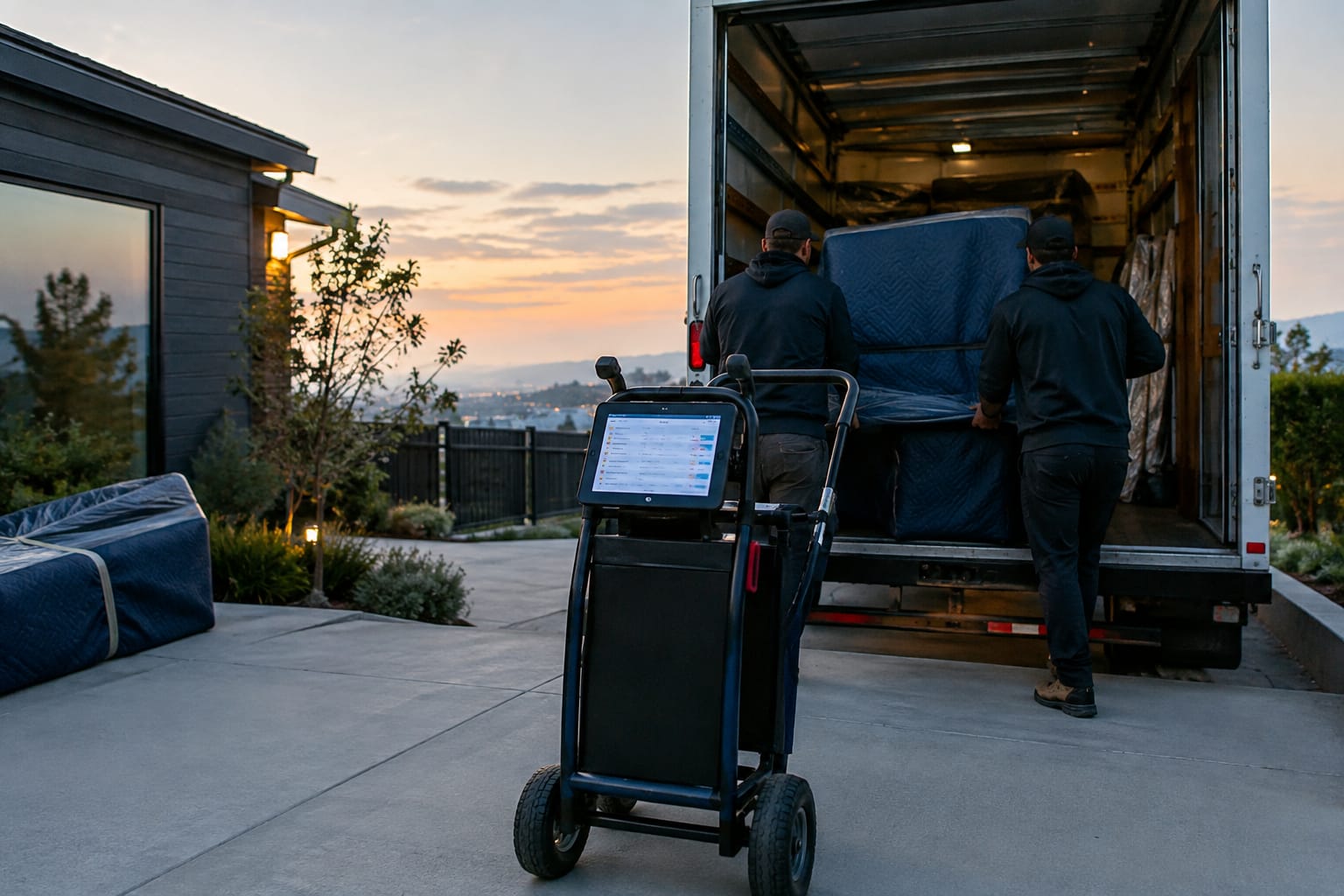
Claims are where weak record-keeping becomes expensive. A signed bill of lading, a verified inventory and timestamped before-and-after photos turn a damage dispute into a documented file. A photo and document trail for every claim supports timely claim handling and gives your insurer clean evidence.
Related Articles
- CRM for Moving Companies: Streamline Operations — How a moving CRM connects leads, estimates, dispatch and paperwork in one system.
- Automated Moving Surveys for Collecting Client Information — How to capture accurate inventory details before the estimate.
- Customer Experience Excellence in Moving Services — How clear communication and documentation reduce disputes and complaints.
- Employee Retention Strategies for Moving Companies — How to keep trained crews once the business is up and running.
Useful Links
- Electronic Bill of Lading Software for Movers
- Moving Company Bill of Lading: DOT Requirements
- Business Insurance for Moving Companies: Complete Guide
- Moving Claims Software
- Moving Glossary — Key Moving & Storage Terms Explained
Need help with this? Moving & Storage Billing Software · Get started · Call (888) 611-7483
Ready to see it in action?
Book a free 20-minute demo and explore how Virtual Estimate can help your business.