

Moving companies compete in one of the most time-sensitive local service markets online. Homeowners searching for movers typically choose a provider within 48 hours of their first search — and the business that appears first, responds fastest, and earns the most trust wins the job. Digital marketing for moving companies is no longer optional; it is the primary revenue engine for operators who want predictable, scalable growth. This guide walks through six proven channels — from website optimization to CRM automation — and shows exactly how to connect them into a unified system that turns online visibility into booked jobs.

Key Takeaways
| Point | Details |
|---|---|
| Lead response speed is the #1 conversion lever | Cutting lead response time from 6 hours to 22 minutes was identified as the single highest-leverage operational change in documented case studies |
| CRM automation measurably lifts booking rates | Structured pipeline tracking and automated follow-up raised booking rates from 28% to 41% — a 13-point gain from the same monthly lead volume |
| Referrals outperform paid leads by a wide margin | Referral leads convert at nearly twice the rate of Google Ads leads, justifying a structured referral incentive program |
| Software ROI is fast and predictable | Moving company software consistently pays back within 60–120 days for operators processing 40+ jobs per month |
| Online reviews directly affect local search ranking | See Google Business Profile guidance for how review volume and recency influence local pack placement |
Why Digital Marketing Is Essential for Moving Companies Today
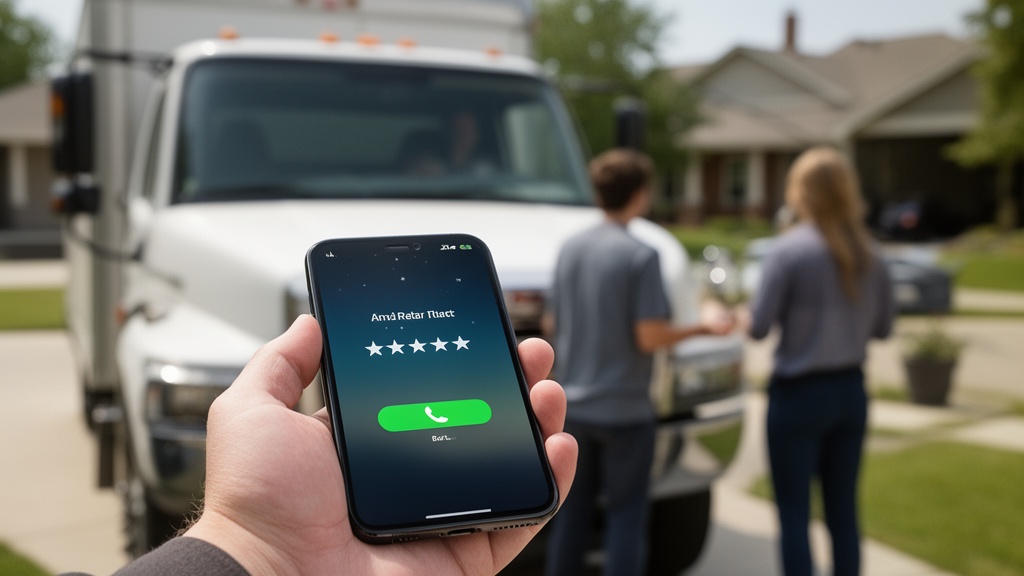
Moving company marketing has shifted almost entirely online over the past decade. Yellow Pages and word-of-mouth referrals still contribute, but the buyer journey now begins with a Google search — and the operator who controls that search result controls the lead flow.
Online marketing for movers solves three core business problems simultaneously: insufficient lead volume, low estimate-to-booking conversion, and weak brand differentiation in a commodity market. A structured digital presence addresses all three by generating inbound inquiries, nurturing prospects automatically, and building the trust signals that tip decisions in the operator's favor.
The American Moving and Storage Association identifies lack of digital presence as one of the primary barriers to growth for mid-size moving companies. Operators who build a coherent digital footprint consistently outperform competitors still relying on referrals and word-of-mouth alone.
| Digital Channel | Primary Goal | Typical Time to First Results |
|---|---|---|
| Local SEO | Organic lead generation | 3–6 months |
| Google Ads / PPC | Immediate paid leads | 1–2 weeks |
| Social Media | Brand awareness + referrals | 1–3 months |
| Email + CRM Automation | Lead nurturing + retention | 2–4 weeks |
| Online Reviews | Conversion rate improvement | Ongoing |
| Website Optimization | Cross-channel conversion hub | Immediate |
Step 1: Build a High-Converting Moving Company Website
A strong moving company online presence starts with the website. Every digital channel — paid ads, organic search, social media — funnels traffic to this single destination. A slow, unclear, or unconvincing website cancels the effect of every other marketing investment.
The highest-converting mover websites share four characteristics. First, fast load time: Google's mobile page speed research shows that load delays directly increase bounce rates, reducing the probability a visitor stays to request an estimate. Second, a clear service area list covering every city and region served. Third, a prominent estimate request form above the fold that captures high-intent visitors. Fourth, trust signals including license numbers, insurance certifications, and customer review counts.
The Federal Motor Carrier Safety Administration provides consumer guidance on verifying mover credentials. Displaying an FMCSA license number prominently on the website signals compliance and builds credibility with informed buyers who check before committing.
Effective marketing for moving company websites also means designing the estimate form for completion, not comprehensiveness. Requesting only move date, origin ZIP, destination ZIP, name, and phone number produces significantly more submissions than 10-plus-field forms — additional detail can be gathered during the follow-up call.
Pro Tip: Add a phone click-tracking number to the website. Many movers generate more phone inquiries than form submissions. Tracking which pages produce calls gives a complete conversion picture that form analytics alone miss.
Step 2: SEO to Attract Organic Moving Leads
Search engine optimization is the highest long-term ROI channel for moving company lead generation. Ranking on page one for local moving searches puts the business in front of buyers who are already planning a move — no ongoing ad spend required once the ranking is established.
Local SEO for movers rests on three pillars: Google Business Profile (GBP) optimization, service area landing pages, and citation consistency across directories. A fully optimized GBP — with accurate service categories, business hours, regularly updated photos, and active Q&A responses — increases local pack visibility and drives direct calls.
For on-page SEO, target service-plus-location keyword combinations: "movers in [city]", "local moving company [city]", "long-distance movers [state]". Each major service area should have its own dedicated landing page with unique, locally relevant content — not templates duplicated across markets.
For the complete SEO roadmap covering keyword research, GBP optimization, and citation building, the guide on digital marketing strategies for moving companies provides step-by-step implementation detail.
| SEO Tactic | Business Impact | Effort Level |
|---|---|---|
| Google Business Profile optimization | Local pack visibility, direct calls | Low |
| Service area landing pages | Organic rankings per city/region | Medium |
| Local citation building (directories) | Map pack authority, consistency | Medium |
| Review generation system | Ranking + conversion rate | Low–Medium |
| Blog content (informational queries) | Brand authority, long-tail traffic | High |
Step 3: Google Ads and PPC for Moving Companies
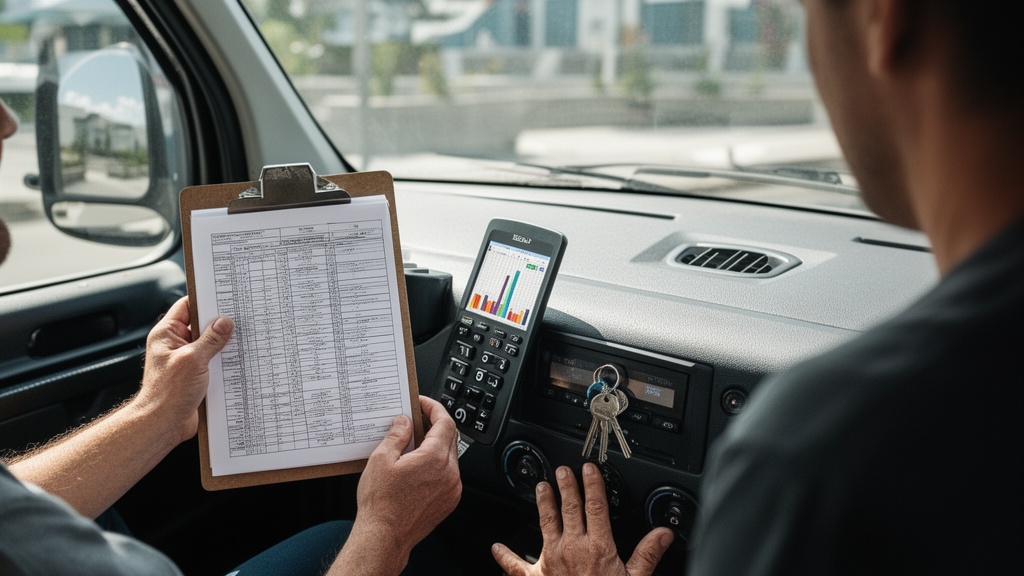

Moving company advertising via paid search delivers immediate visibility for high-intent queries. Unlike SEO — which builds over months — Google Ads for movers can generate qualified leads within days of campaign launch, making it the fastest channel to booked revenue.
Moving company PPC campaigns perform best when structured across three campaign types:
- Local Service Ads (LSAs): Google's pay-per-lead product for service businesses. Movers who qualify appear above standard search results with a Google Guaranteed badge, reducing buyer hesitation and increasing call volume from the results page.
- Search Campaigns: Target keywords like "movers near me", "local moving company [city]", and "long-distance movers [state]" with ad groups organized by service type and geography.
- Remarketing Campaigns: Retarget website visitors who viewed the estimate page but did not submit. This is a high-intent, typically low-cost audience that most competitors overlook.
Moving company PPC budget allocation should be driven by target cost-per-booked-job, not arbitrary monthly spend. Calculate the maximum allowable acquisition cost based on average job value and margin, then set campaign bids accordingly.
Pro Tip: Negative keyword lists are the single most effective way to improve moving company PPC efficiency immediately. Add "rental", "truck rental", "free", "DIY", and relevant competitor brand names as negatives at campaign launch — before wasted spend accumulates on non-buyer searches.
Step 4: Social Media Marketing for Movers
Social media for moving companies serves a different function from paid search. The primary purpose is not direct lead generation — it is reputation amplification and referral acceleration. Platforms like Facebook, Instagram, and Nextdoor reach homeowners during the awareness phase, before they are actively searching for a mover.
The most effective content formats for social media in moving company marketing:
- Before/after move photos: High engagement, high shareability, and tangible proof of service quality
- Crew and culture content: Customers hire people as much as trucks. Content showing team character builds personal trust before first contact
- Move-day preparation tips: Short educational videos address common customer anxieties and generate organic reach beyond existing followers
- Customer testimonial posts: Visual reviews with customer permission consistently outperform text-only testimonials

Nextdoor is the most underutilized platform in marketing for moving companies. Homeowners requesting mover recommendations in local neighborhood groups represent high-quality leads — warm, geographically precise, and typically ready to book within days.
Facebook Ads with life-event targeting (new homeowner, recently engaged, planning a move) combined with geographic radius targeting delivers strong paid social results. Instagram functions best for visual storytelling that builds brand affinity over time.
Step 5: Email Marketing and CRM Automation for Moving Companies
Email marketing for moving companies delivers the strongest return when integrated with CRM automation. A single automated sequence — triggered the moment a lead enters the pipeline — keeps the business top of mind through every stage of the prospect's decision process without requiring manual staff intervention.
The moving service marketing complete guide details how integrated CRM sequences eliminate the follow-up delays that cause most operators to lose warm leads simply through slow response.
The data on this is unambiguous. Cutting average lead response time from 6 hours to 22 minutes via CRM task automation was identified as the single highest-leverage operational change in one documented case study — faster in revenue impact than any new marketing channel or pricing adjustment.
A practical five-message automated sequence for moving company lead nurturing:
- Immediate: Estimate confirmation with next steps and expected timeline
- 24 hours: Moving preparation checklist — provides value and keeps engagement warm
- 48 hours: Personalized check-in offering to answer questions about the upcoming move
- 5 days: Re-engagement message for non-responders with a clear next step
- Post-move: Review request triggered automatically by job completion status in dispatch
Using a CRM platform that automates follow-up and lead nurturing for movers removes the human variable from this sequence entirely. Each message fires based on pipeline stage and time trigger — no staff intervention required.
The revenue impact of systematic follow-up is well-documented. A 10-point booking rate lift — from approximately 28% to 38% of qualified leads — generated $9,600 in additional monthly revenue for a company with 80 monthly inquiries at an average job value of $1,200.
Pro Tip: Segment email sequences by lead source. Referral leads and paid search leads have different decision timelines and different objections. Referral prospects respond to social proof and relationship-building content. Paid search leads respond to urgency, availability, and pricing transparency. Two separate nurture sequences consistently outperform a single generic funnel.
Step 6: Online Reviews and Reputation Management

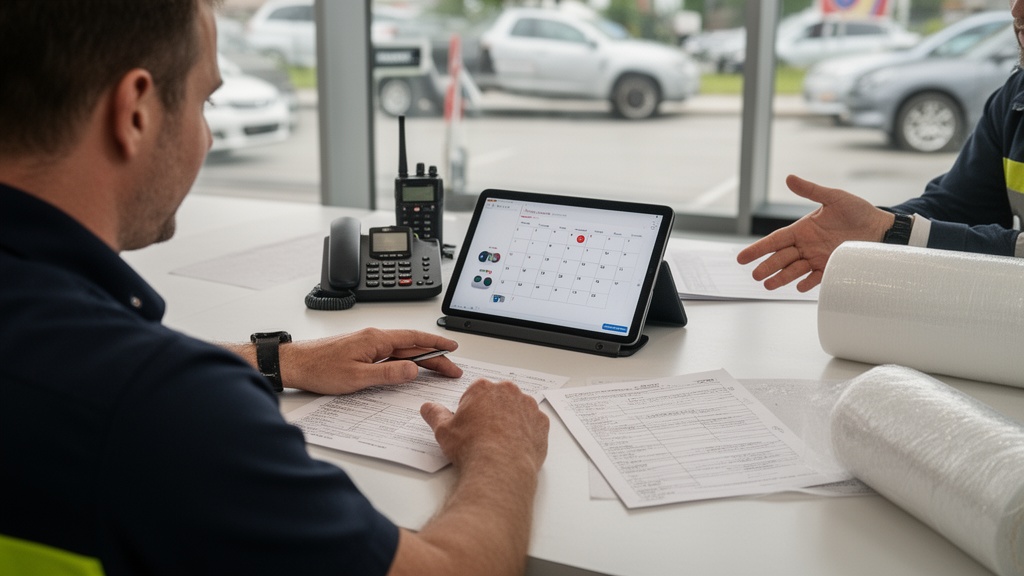
Online reviews are the highest-converting trust signal in the moving industry. BrightLocal's Local Consumer Review Survey consistently shows that the overwhelming majority of consumers read reviews before selecting a local service provider — and moving companies face above-average scrutiny given the high-value, high-stress nature of the service.
A systematic review generation strategy produces compounding returns. Each new five-star review improves Google Business Profile ranking, increases click-through rate from local pack results, and reduces purchase hesitation when prospects land on the website.
Core elements of an effective review management system:
- Automated post-job request: Send via SMS and email within 2 hours of job completion. Response rates drop sharply after 24 hours.
- Consistent response protocol: Reply to every review — five-star and otherwise. A professional response to a negative review demonstrates accountability to future readers, which often carries more weight than the original complaint.
- Platform prioritization: Google Business Profile first, then Yelp, then Facebook. Google reviews carry the most weight for local search ranking.
- In-person prompting: Train crew members to make a direct verbal ask at the close of a successful job. A face-to-face request from a trusted mover converts at a higher rate than any follow-up digital message.
How to Measure Digital Marketing ROI for Your Moving Business
A coherent moving company digital strategy only produces sustainable results when measured at the revenue level — not just the channel level. Most operators track impressions and clicks. The operators who grow predictably track cost per booked job and revenue per lead source.
The five KPIs that matter most for digital marketing in moving operations:
| KPI | What It Reveals | Benchmark Target |
|---|---|---|
| Lead response time | Speed advantage over competitors | Under 30 minutes |
| Estimate-to-booking rate | Lead quality + follow-up effectiveness | Aim for 35–45% |
| Cost per booked job | True acquisition cost per channel | Compare to job margin |
| Revenue per lead source | Which channels produce the best-margin jobs | Track across all sources |
| Revenue per crew day | Scheduling and job-mix efficiency | Track month-over-month |
CRM data is the foundation of this measurement system. Source attribution tracking revealed that referrals converted at nearly twice the rate of Google Ads leads, which justified a complete budget reallocation within 90 days. The referral incentive program that followed produced a positive return within 60 days of launch and increased the referral share of leads by 19 percentage points over 12 months.
Beyond conversion metrics, job-level data reveals scheduling intelligence. CRM data showing which job types yielded the highest revenue per crew day led one operator to shift toward long-distance commercial moves, increasing revenue per crew day by 18% within 12 months — without crews working harder or longer.
For operators ready to connect all marketing channels into a unified measurement system, moving company automation tools provide the dispatch, CRM, and reporting integrations that make channel-level ROI visible in a single dashboard.
Related Articles
- How to Moving Company Marketing — Learn the core marketing channels, budget frameworks, and growth tactics specific to moving company operations.
- Moving Company SEO: A Step-by-Step Strategy Guide — A deep-dive into local SEO tactics that improve a moving company's Google local pack rankings.
- How to Moving Lead Providers — Compare the top moving lead services and learn how to evaluate cost-per-lead across paid platforms.
- Digital Marketing Strategies for Moving Companies: A Complete Guide — Comprehensive multi-channel strategy covering SEO, PPC, social media, and CRM integration.
- CRM for Moving Companies: Streamline Operations — How a moving-specific CRM connects marketing, dispatch, and revenue measurement in a single platform.
Ready to see it in action?
Book a free 20-minute demo and explore how Virtual Estimate can help your business.