
A video moving estimate replaces the traditional in-home survey with a short smartphone walkthrough. Instead of booking a surveyor to visit, the customer films each room, uploads the clip, and software or an estimator prices the move from the footage. The shift is reshaping how movers quote jobs. This guide explains what a video moving estimate is, how AI converts a phone walkthrough into a room-by-room inventory in minutes, and how the method compares with the clipboard survey it is rapidly replacing.

Key Takeaways
| Point | Details |
|---|---|
| Definition | A video moving estimate prices a relocation from a customer-recorded smartphone walkthrough instead of an on-site visit. |
| Speed | A self-guided walkthrough takes a few minutes to record; estimators or AI can review and quote it the same day, versus 1-2 hours per in-home survey including travel. |
| Regulatory fit | FMCSA rules require movers to base non-binding estimates on a survey of the goods unless the shipper waives it in writing, and a documented video survey satisfies that obligation. |
| Accessibility | Roughly 9 in 10 U.S. adults own a smartphone, so almost every customer already owns the only hardware needed. |
| Best fit | Long-distance jobs, busy customers, and high estimate volume benefit most; cluttered or low-light homes still need careful filming. |
The hidden cost of the traditional in-home walkthrough
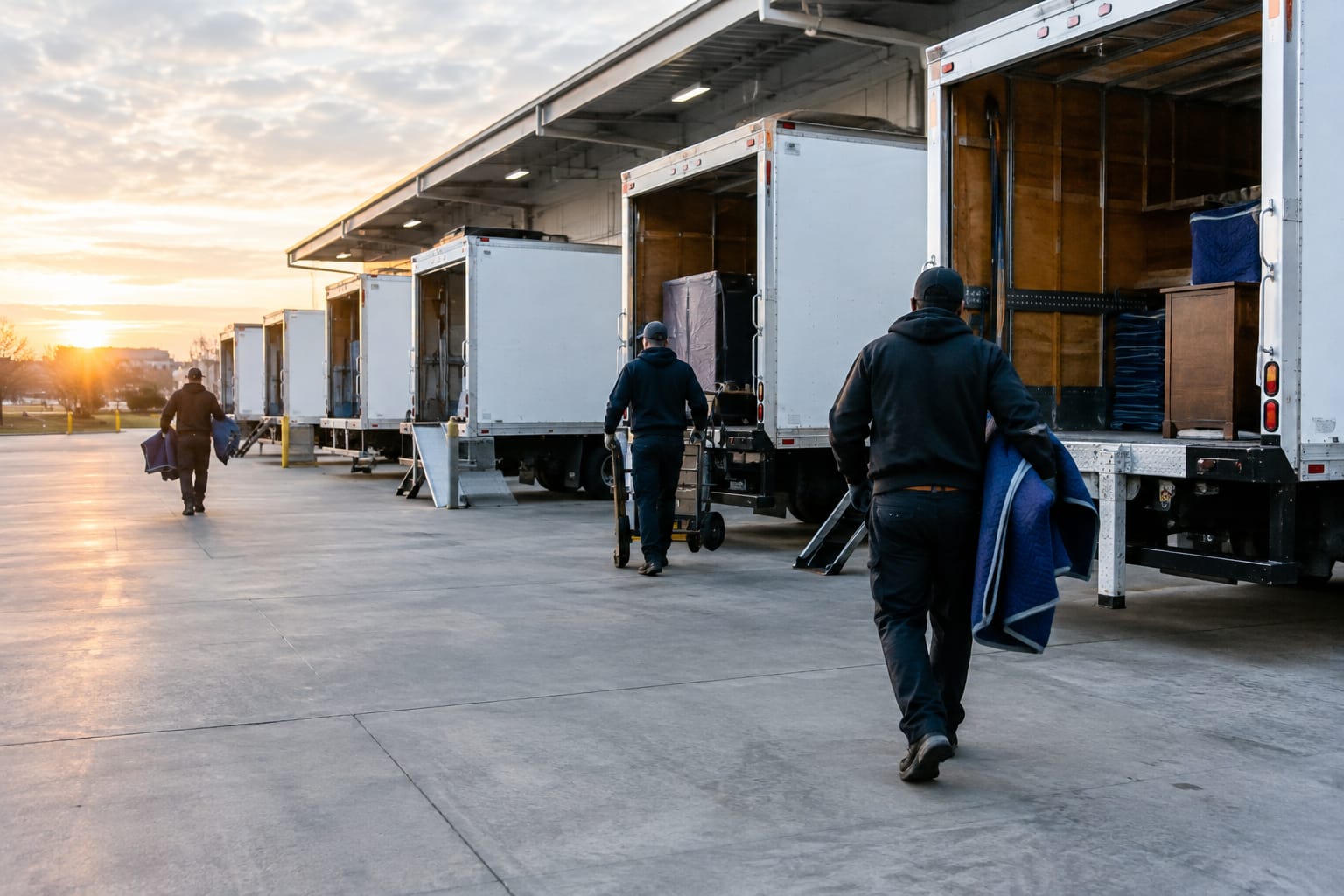
The in-home survey looks free, but it is the most expensive step in a mover's sales process. A surveyor spends an hour or more per visit, plus drive time, fuel, and the gaps created by no-shows and reschedules. Multiply that across a week of estimates and the windshield hours add up fast.
Federal rules add weight to the survey itself. FMCSA requires interstate movers to base a non-binding estimate on a physical survey of the household goods, unless the customer waives it in writing. For decades that meant sending a person to the door.
There is also a conversion problem. Customers shopping several movers rarely wait days for three separate appointments. The company that quotes first often books the job, so slow scheduling quietly leaks revenue.
Pro Tip: Track your survey-to-booking window, not just your close rate. Most lost jobs are lost to whoever quoted first, and a self-recorded walkthrough can compress that window from days to hours.
What a video moving estimate actually is
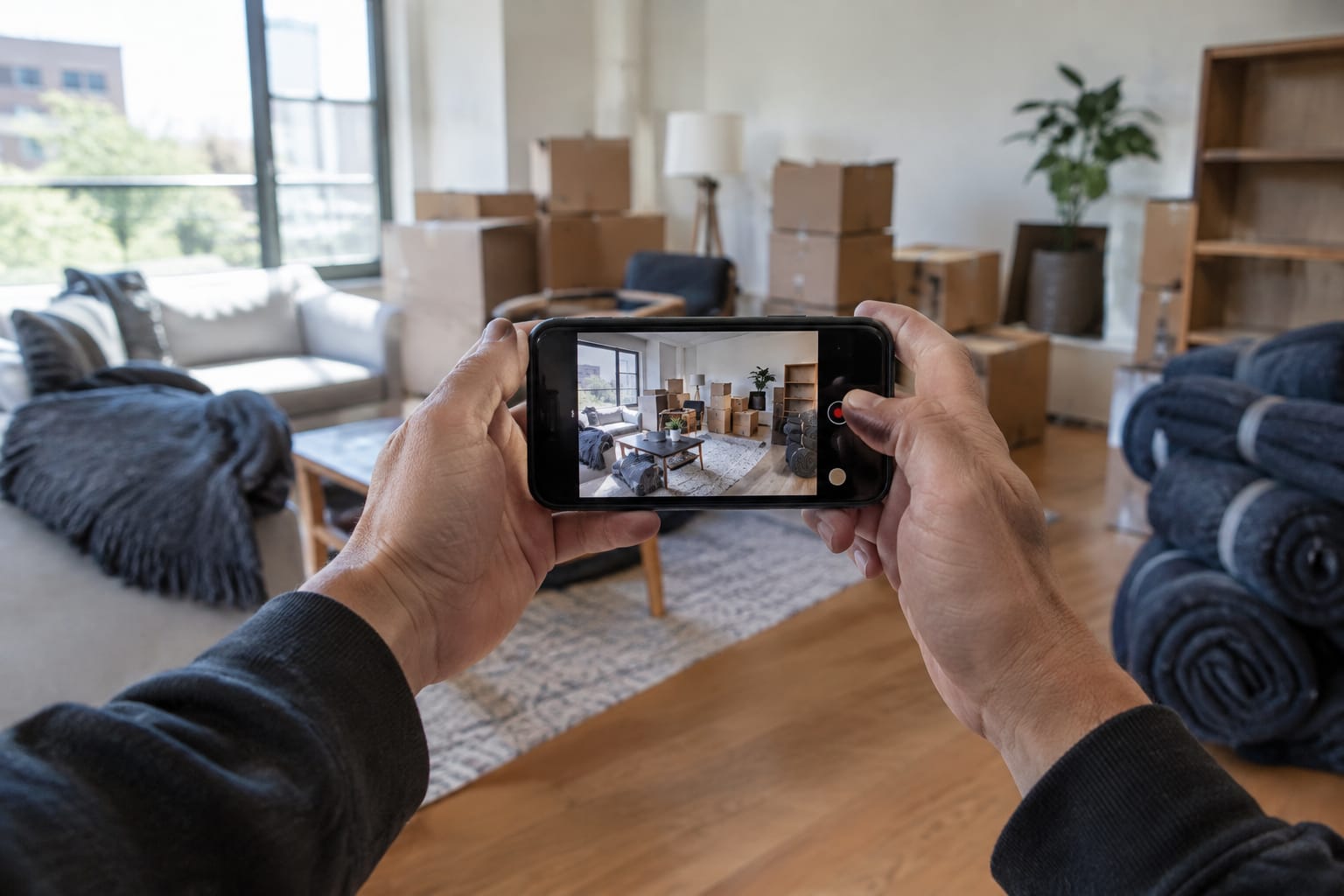
A video moving estimate is a quote produced from a customer-recorded smartphone walkthrough of the home. The customer films each room, closets, and bulky items; the mover reviews the footage to build an inventory and price the job. No surveyor enters the house.
The method goes by several names. A virtual moving survey describes the same process, and a self-survey moving estimate emphasizes that the customer, not a staff member, captures the footage. The common thread is a remote, video-based record that stands in for the physical visit.
This differs from a phone quote. A phone estimate relies on the customer's spoken memory of their belongings, which is notoriously incomplete. A video estimate captures objective visual evidence, which is why it holds up better when a binding price is on the line. For a deeper breakdown of quote types, see this guide to choosing the best moving estimate option.
Q: Is a video moving estimate the same as a virtual survey?
A: Yes. "Video estimate," "virtual moving survey," and "self-survey" all describe pricing a move from recorded smartphone footage instead of an in-person visit. The only practical difference is who films and whether the review is live or asynchronous.

How AI turns a phone walkthrough into a room-by-room inventory in minutes
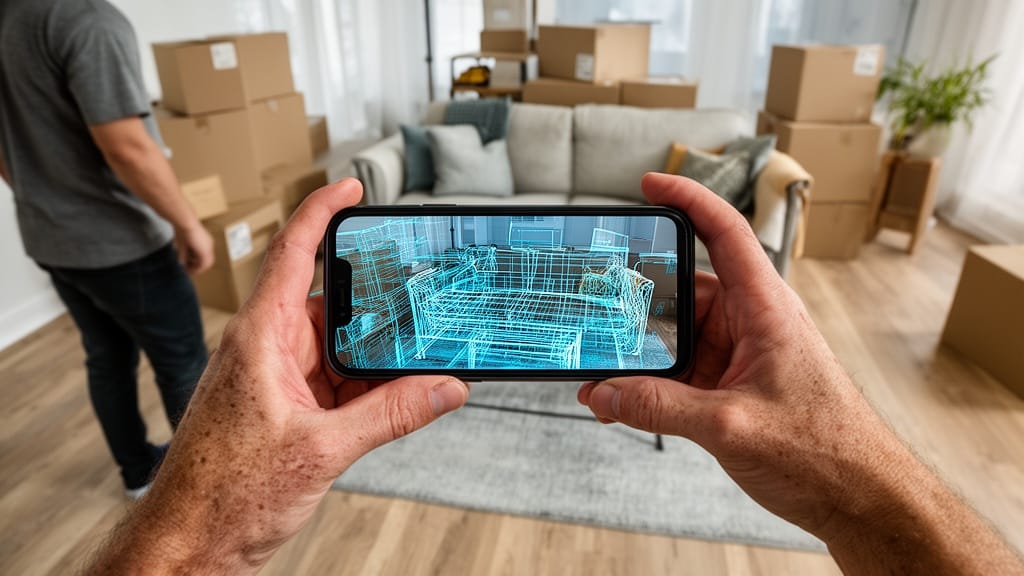
Modern systems automate the slowest part: turning raw footage into a priced list. AI video recognition scans the walkthrough, identifies furniture and boxes, estimates their dimensions, and outputs a room-by-room moving inventory with object volumes and visual references. What once took an estimator an afternoon now takes minutes.
A typical AI-assisted flow runs in these steps:
- The customer records a guided smartphone moving walkthrough of every room and storage area.
- The video uploads to the platform, no app install required in most cases.
- Computer vision detects each item and tags it by type and size.
- The system calculates cubic-foot volume per object and per room.
- It compiles a structured inventory with photos pulled from the footage.
- It generates a cost estimate based on volume, access, and distance.
- An estimator reviews and adjusts edge cases before sending the quote.
The output is auditable. Because every item links back to a video frame, disputes about what was or was not included get settled by replaying the clip. For a step-by-step view of the customer side, this walkthrough on how to conduct a virtual pre-move survey is a useful companion.
Here is what the system extracts from a single room:
| Captured in the walkthrough | What the system determines |
|---|---|
| Furniture dimensions | Cubic-foot volume per item |
| Item count per room | Crew size and truck space |
| Access points (stairs, halls, elevators) | Labor time and difficulty |
| Special items (piano, safe, artwork) | Specialty handling charges |
| Packed vs. unpacked goods | Packing materials and labor |
Pro Tip: Ask customers to narrate as they film and to open every closet and cabinet. Hidden storage is the single biggest source of volume surprises on move day, and a 10-second pan inside each closet prevents most of them.
Video estimates vs. clipboard surveys: accuracy, speed, and customer experience
The core trade-off is documentation versus presence. A surveyor reads a room in person but leaves no record beyond handwritten notes. A video estimate produces a permanent file anyone on the team can revisit, which is why moving estimate accuracy often improves once footage replaces memory.
Speed is the clearest win. A video review takes minutes and scales across markets, while an in-home survey is capped by how far a person can drive in a day. That reach matters: more than 25 million Americans relocate each year, and many book long-distance moves that no local surveyor could practically visit.

| Criteria | Video moving estimate | Traditional in-home survey |
|---|---|---|
| Scheduling | On-demand; customer films anytime | Fixed appointment, often days out |
| Time per estimate | Minutes to review footage | 1-2 hours including travel |
| Geographic reach | Unlimited; long-distance friendly | Limited by surveyor drive radius |
| Inventory record | Permanent video plus digital list | Handwritten notes or memory |
| Customer effort | Short self-guided walkthrough | Host a stranger at home |
| Accuracy driver | Complete, well-lit footage | Individual surveyor's skill |
The customer experience also favors video. Filming a few rooms at a convenient hour beats taking time off work to host a visitor. Adoption is rarely a barrier, since nearly every prospect already carries a capable camera in their pocket.
Q: How accurate is a video moving estimate compared with an in-home survey?
A: When the walkthrough is complete and well-lit, volume accuracy is comparable to a skilled in-person surveyor, and the permanent video record reduces post-move billing disputes that handwritten notes cannot resolve.
What customers and movers gain when the survey goes virtual
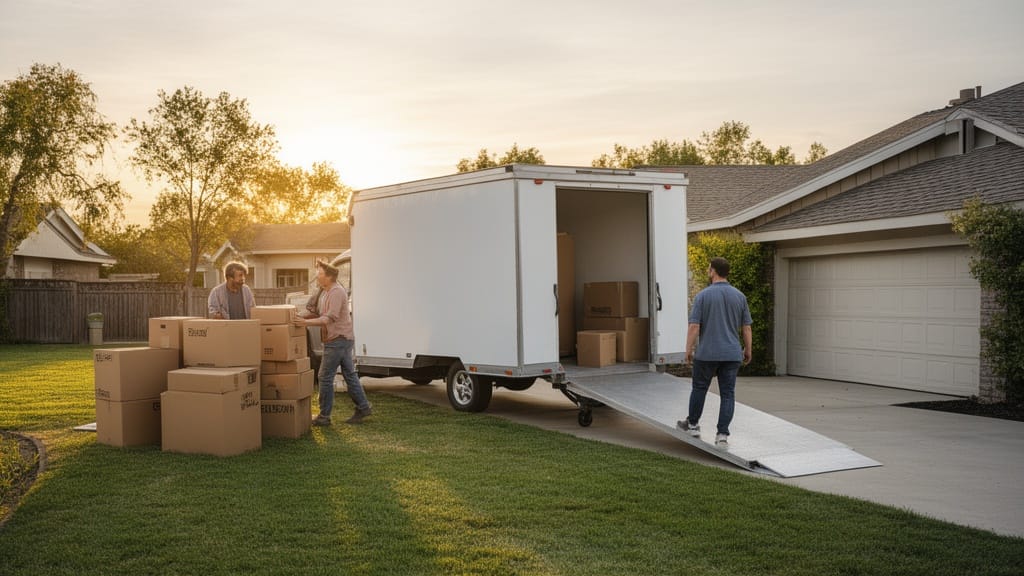
For customers, the benefits are convenience and transparency. They quote on their own schedule, avoid hosting a salesperson, and receive an itemized inventory they can verify against the footage. That visibility builds trust before a deposit is ever paid.
For movers, the gains are operational:
- Lower cost per estimate, since travel and windshield time disappear.
- Faster turnaround, so quotes reach prospects before competitors respond.
- Wider service area, because distance no longer limits who can be surveyed.
- Better dispatch planning, thanks to a documented inventory and access notes.
- Fewer disputes, since the video settles disagreements about scope.
The labor math reinforces the case. Movers and material handlers remain a large occupation tracked by the Bureau of Labor Statistics, and skilled estimator time is scarce. Automating routine inventory work frees that talent for complex jobs and customer relationships. Operators weighing the broader technology shift can review this guide to AI-powered moving estimates.

Pro Tip: Keep a human in the loop for binding quotes. AI handles the inventory and volume math well, but an experienced estimator should still confirm specialty items and difficult access before a price becomes contractual.
Is a video estimate right for your moving company?
Video estimates fit most operators, but the payoff scales with volume and distance. High-volume sales teams and long-distance carriers recover the most surveyor hours, while companies handling mostly small local jobs may see a thinner margin of benefit.
A few conditions still call for judgment. Severely cluttered homes, poor lighting, or customers uncomfortable with filming can produce incomplete footage. In those cases, a guided live video call or a fallback in-home visit keeps accuracy intact.
The practical path is a hybrid model: offer the self-recorded walkthrough as the default, reserve in-home surveys for complex or high-value jobs, and always confirm the legal estimate basis. Done well, the virtual survey trims cost, widens reach, and gives customers a faster, more transparent quote.
Related Articles
- AI Quoting for Moving Companies: A Practical Guide — How automated quoting workflows turn inventories into accurate prices.
- How AI-Driven Question Flows Work in Moving Calculators — The logic behind adaptive online moving calculators.
- Latest AI Trends in Moving Estimates Operators Must Know — Where estimating technology is heading and what to adopt now.
- Virtual Pre-Move Survey: A Complete Guide — A full walkthrough of running remote surveys end to end.
Recommended Reading
Ready to see it in action?
Book a free 20-minute demo and explore how Virtual Estimate can help your business.