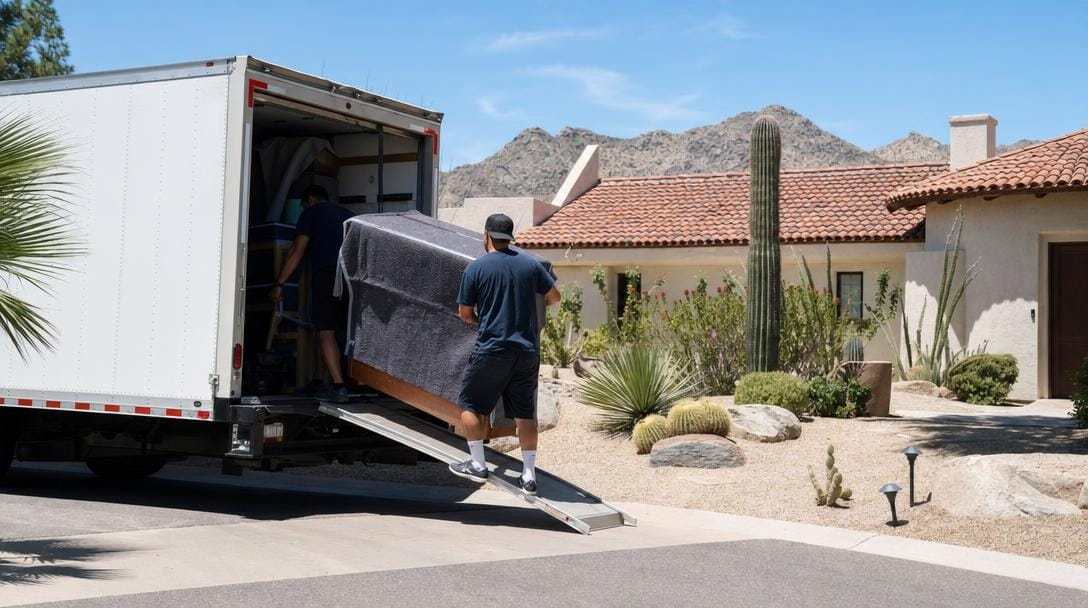

A virtual estimate is a remote project quote built from photos, a live video walkthrough, or digital measurements instead of an in-person site visit. The contractor reviews the job through the customer's phone camera or uploaded media, then prices the work without driving to the property. This single change compresses a multi-day sales cycle into a same-day quote.
The shift matters because estimating is the bottleneck in most contracting businesses. Travel time, no-show appointments, and slow turnaround quietly drain margin. This guide breaks down exactly how virtual estimates work, where they beat traditional walkthroughs, and what to look for in the tools that power them.
Why Estimating Is Changing for Modern Contractors
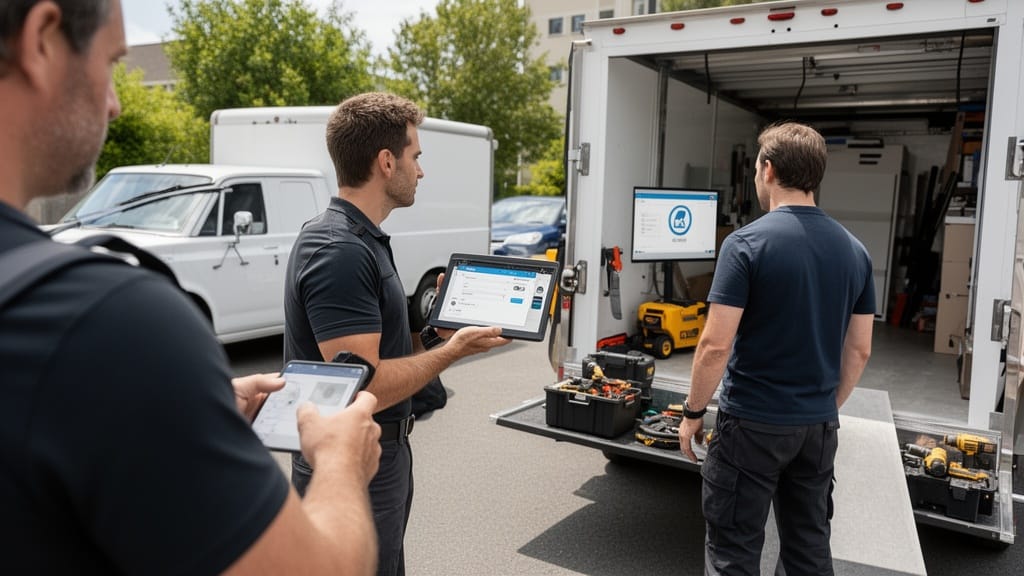
Estimating used to mean a truck, a clipboard, and an hour of windshield time per lead. That model still works, but it scales poorly. With the U.S. construction industry employing over 8 million workers and competing for the same skilled crews, owners cannot afford to burn senior staff on driving.
Customer behavior pushed the change too. Most homeowners now expect a fast, low-friction quote, and the vast majority of U.S. adults own a smartphone. That camera in every pocket became the foundation for remote estimating for contractors across trades.
The economics are hard to ignore. Annual U.S. construction spending exceeds $2 trillion, and the firms capturing that work are the ones quoting first. Speed-to-quote is now a competitive weapon, not a nicety.
Q: Why are contractors moving away from in-person estimates?
A: In-person visits consume travel time and often end in no-shows, while a virtual estimate delivers a same-day quote using the customer's smartphone camera — with smartphone ownership now near-universal among U.S. adults.
This is the backdrop for the modern contractor estimating process: less driving, faster responses, and a paper trail that lives in software instead of a glovebox.
What a Virtual Estimate Actually Means
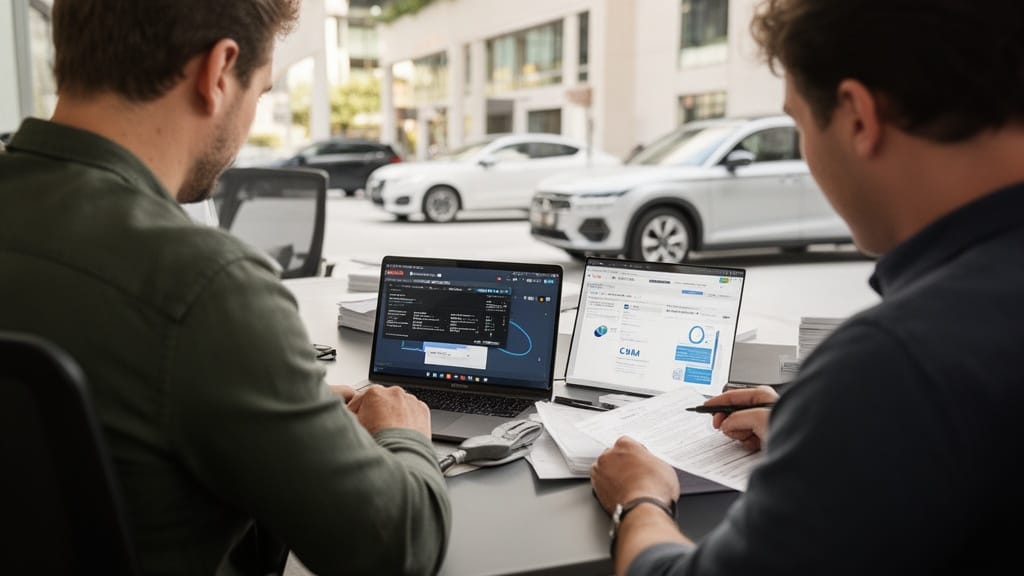
A virtual estimate is a priced scope of work produced remotely. The contractor gathers visual and dimensional data through an online estimate tool, assesses the job, and returns a written quote — all without setting foot on site. The output is identical to a traditional bid; only the data-collection method changes.
There are three common formats:
- Live video walkthrough — the customer joins a video call and pans their phone across the space in real time.
- Photo and video upload — the customer submits media through a link, and the contractor estimates asynchronously.
- Self-guided digital survey — a structured form captures room counts, dimensions, materials, and condition notes.
Each feeds the same goal: an accurate price built from reliable inputs. The best workflows combine formats, using a quick video to verify what photos cannot show, like ceiling height or hidden damage.
Pro Tip: Ask the customer to film a slow, continuous pan rather than snapping isolated photos. A 60-second video captures spatial context — adjacent rooms, access points, stair counts — that disconnected stills almost always miss.
Virtual estimates are not a downgrade from on-site visits. For straightforward jobs, they often produce more documentation, because every measurement and photo is timestamped and stored.
How Virtual Estimates Work, Step by Step
Understanding how virtual estimates work is easier when you see the sequence. The process mirrors a traditional walkthrough but removes the drive and adds a digital record at every stage.
- Capture the request. A lead submits project details through a web form or booking link.
- Collect visual data. The customer shares photos, video, or joins a live call.
- Measure and scope. The contractor uses on-screen tools or reference objects to estimate dimensions and quantities.
- Build the quote. Line items, labor, and materials populate a structured estimate.
- Deliver and follow up. The customer receives the written estimate digitally, often within hours.
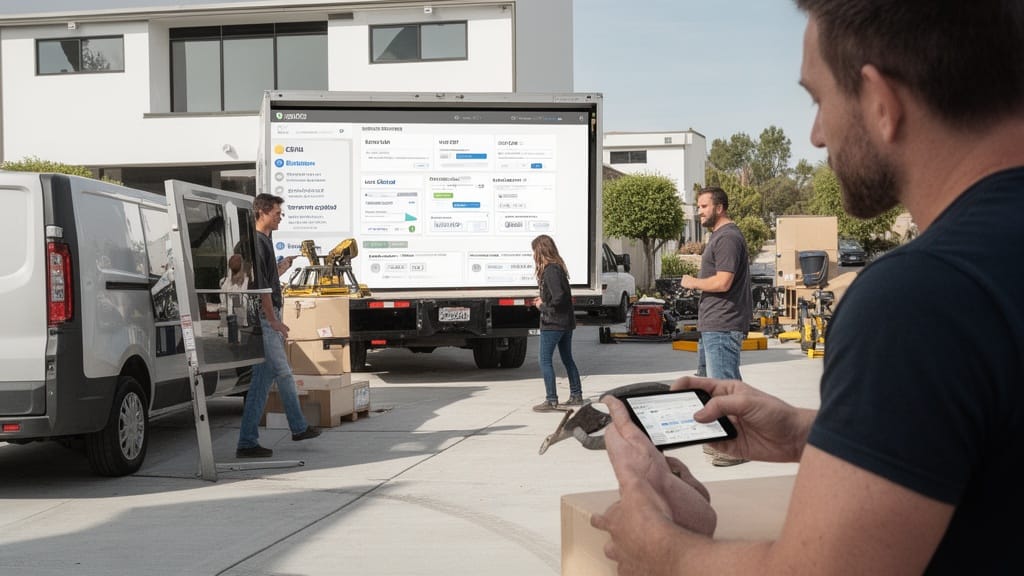
The data-collection step is where accuracy is won or lost. Reference objects — a standard door, a credit card, a tape measure left in frame — let estimators calibrate scale from a screen. For interstate moving work specifically, the FMCSA requires a written estimate before the job, and digital capture makes that compliance trail effortless.
Q: How accurate is a virtual estimate compared to an on-site visit?
A: When the contractor uses clear video plus reference objects for scale, virtual estimates routinely match on-site accuracy for standard jobs; complex structural work still benefits from a confirming in-person visit.
For moving and field-service companies, a structured virtual pre-move survey follows this same five-step flow, turning a chaotic phone call into a repeatable system.
Virtual Estimates vs. Traditional On-Site Visits
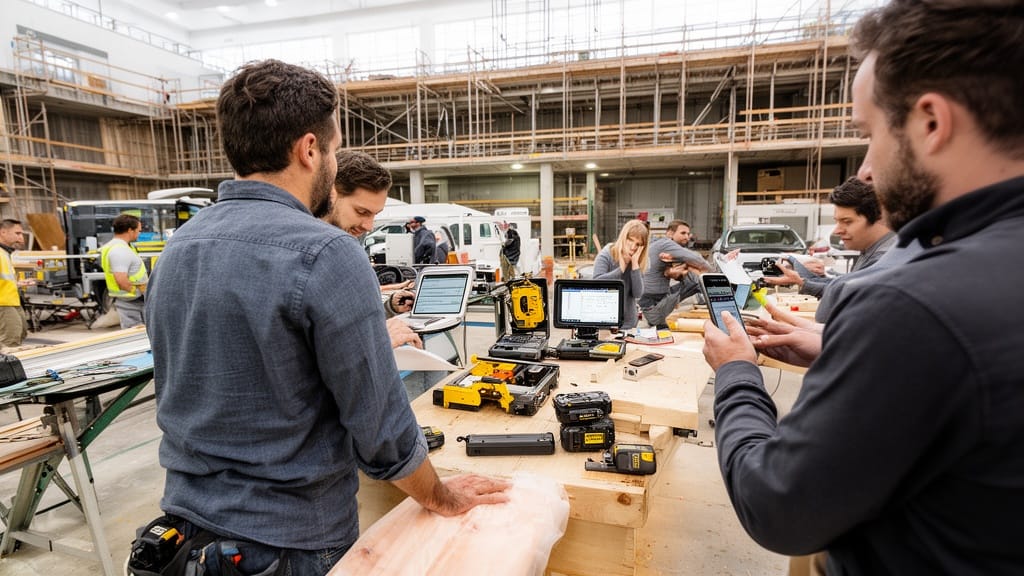
The choice is rarely all-or-nothing. Most contractors run a hybrid model, reserving site visits for high-value or high-uncertainty jobs. The table below compares the two approaches on the criteria that affect margin.
| Criteria | Virtual Estimate | Traditional On-Site Visit |
|---|---|---|
| Turnaround time | Same day, often hours | 2–5 days including scheduling |
| Travel cost | None | Fuel, vehicle wear, labor hours |
| Documentation | Auto-saved photos and video | Handwritten notes, manual entry |
| Reach | Unlimited geographic radius | Limited by drive distance |
| Best fit | Standard, well-lit, accessible jobs | Complex, structural, or hidden-condition work |
The pattern is clear: virtual wins on speed, cost, and documentation, while on-site retains an edge for jobs where you must touch the materials. A smart contractor estimating process uses virtual to filter and quote the easy a significant share, freeing senior estimators for the complex remainder.
Pro Tip: Set a complexity threshold in writing. Any job above a set dollar value, or one involving structural change, gets an automatic on-site confirmation. This protects margin without slowing down your routine quotes.
Key Benefits of Going Remote With Your Estimates
The advantages compound. Each quote you produce virtually saves travel time and generates a cleaner record than a paper bid.
- Faster response wins more work. The first contractor to send a quote frequently books the job, and remote quoting collapses response time from days to hours.
- Lower cost per estimate. Eliminating drive time means one estimator can quote far more jobs per day.
- Wider service area. Digital construction estimates let you bid jobs outside your normal drive radius without adding overhead.
- Better records. Every photo, measurement, and message is stored, which reduces disputes and supports cleaner change orders.
- Happier customers. Many homeowners prefer a quick video call over scheduling around an in-person appointment.
There is an operational dividend too. When estimates live in software, they connect to scheduling, invoicing, and follow-up automatically. Pairing remote quoting with a capable moving and field-service CRM turns each estimate into structured pipeline data rather than a one-off PDF.
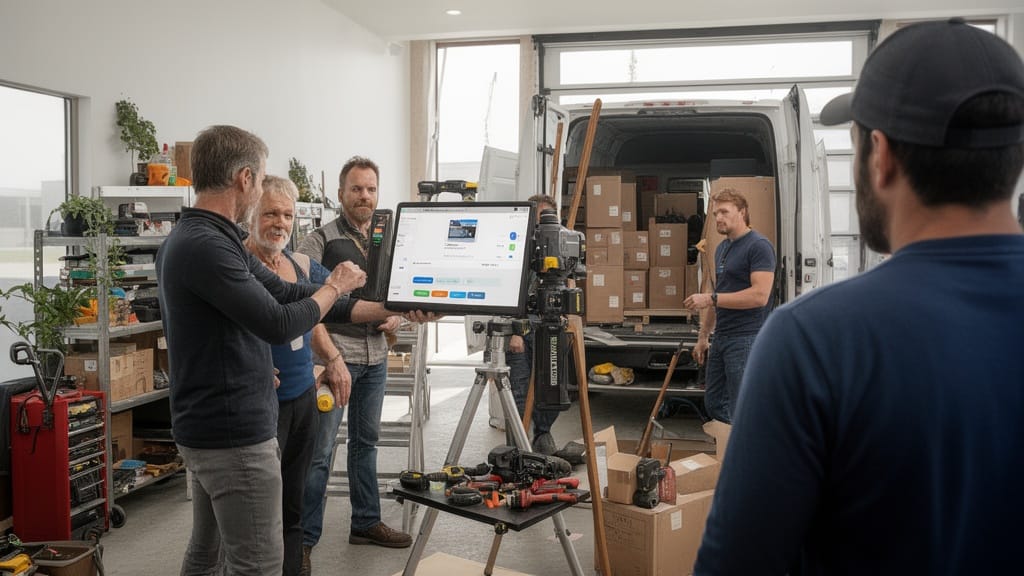
Pro Tip: Track your speed-to-first-quote as a core metric. Time-stamp when a lead arrives and when the estimate goes out. Teams that watch this number relentlessly tend to close the gap — and the close rate follows.
Common Use Cases Across Construction and Field Trades

Virtual estimating is not limited to one trade. Any business that prices work based on visible conditions can adopt it. The fit is strongest where jobs are visually assessable and reasonably standardized.
| Industry | Typical Virtual-Estimate Job | Why It Works |
|---|---|---|
| Moving & relocation | Household inventory survey | Items are countable on video |
| Painting | Interior and exterior square footage | Surfaces are easy to film and scale |
| Roofing | Repair scoping and material counts | Aerial and ground photos confirm scope |
| Cleaning & restoration | Space and damage assessment | Conditions are clearly visible on camera |
| Landscaping | Yard measurement and design quotes | Drone or phone video captures the lot |
Moving companies were early adopters because inventory translates so cleanly to video. A customer walks through each room, and the estimator builds a cubic-foot list in real time. For a deeper look at the format options, the guide to types of moving estimates breaks down binding, non-binding, and not-to-exceed quotes.
The common thread across all these trades is visibility. If a trained eye can scope the work from clear footage, an online estimate tool can deliver an accurate price remotely.
Choosing the Right Virtual Estimating Software
The tool matters more than the technique. Good virtual estimating software removes friction for both the customer and the estimator, while keeping every record organized and retrievable. Evaluate platforms against the checklist below before committing.
| Feature | Why It Matters | What to Verify |
|---|---|---|
| Easy customer capture | Low friction = higher completion | Works with no app download |
| Media storage | Documentation and dispute protection | Photos/video tied to each lead |
| Line-item estimating | Accurate, professional quotes | Customizable pricing and templates |
| Pipeline integration | Estimates feed sales workflow | Connects to CRM and follow-ups |
| Mobile-friendly delivery | Customers read quotes on phones | Clean mobile estimate view |
Look for software that captures client info, moving or job details, inventory, follow-ups, notes, and invoices in one organized pipeline — fragmented tools create double entry and lost leads. The moving company technology stack guide maps how estimating fits alongside dispatch, payments, and marketing systems.

Avoid over-buying. A small contractor does not need enterprise complexity; prioritize fast customer capture and reliable storage over feature bloat. As UX designer James Ortega — who spent eight years building tools for field-service companies — emphasizes, adoption dies when software adds steps instead of removing them.
Getting Started With Your First Remote Quote
Start small and standardize fast. Pick one common job type, write a short capture script for customers, and run your next ten leads through a virtual workflow before changing anything else. Measure turnaround and close rate against your old method.
A simple launch sequence:
- Choose one trade or job type to pilot — your highest-volume, lowest-complexity work.
- Write the capture instructions customers will follow (what to film, how slowly, what to include).
- Set your on-site threshold so complex jobs still get a visit.
- Quote, deliver, and follow up within hours, then review the results.
The goal of the first month is a repeatable script, not perfection. Once the routine jobs run smoothly, expand to additional trades and let your senior estimators focus where their judgment earns the most. For an adjacent deep-dive, see how AI-powered moving estimates push the same workflow further with automated inventory recognition.
Related Articles
- Virtual Pre-Move Survey: A Complete Guide — learn the step-by-step survey method behind accurate remote inventories.
- Types of Moving Estimates: Choosing the Best Option — compare binding, non-binding, and not-to-exceed quote formats.
- CRM for Moving Companies: Streamline Operations — see how estimates connect to scheduling, follow-ups, and invoicing.
- AI-Powered Moving Estimates: A Complete Guide — explore how automation extends virtual quoting accuracy.
- Moving Company Technology Stack Guide — map where estimating software fits among your other tools.
Ready to see it in action?
Book a free 20-minute demo and explore how Virtual Estimate can help your business.