

Faster lead response times help moving companies book more jobs because the first crew to reach a prospect usually wins the contract — answering within five minutes multiplies contact and qualification rates several times over. Moving leads decay fast. A quote request that sits for hours often books with whoever called back first. This guide breaks down how lead response time shapes your booking rate, what automated systems change, and how speed turns into a lasting edge.

Key Takeaways
| Point | Details |
|---|---|
| Speed beats everything | Firms that contact a lead within an hour are nearly 7x more likely to qualify it than those that wait. |
| The decay curve is steep | Lead interest drops sharply within the first 30 minutes, so the first responder usually wins the booking. |
| Automation closes the gap | Automated follow-up for movers fires the first reply in seconds, even after hours, without adding staff. |
| Same leads, more revenue | Cutting response time lifts moving lead conversion without spending another dollar on advertising. |
| Consumers expect it | Most buyers now expect an immediate response when they reach out to a business. |
The hidden cost of slow lead response in the moving industry
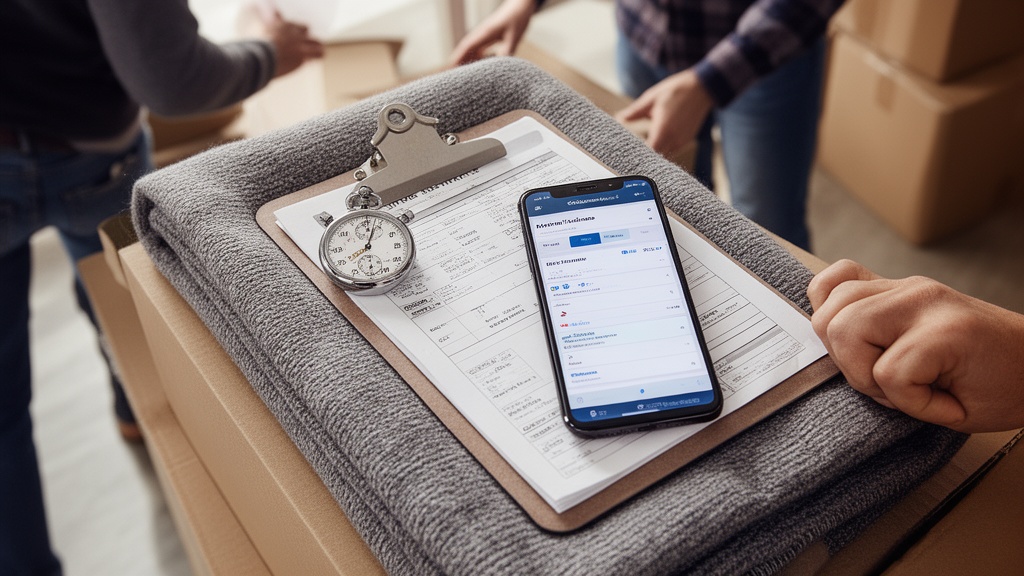
Most movers measure marketing spend obsessively. Few measure how long a fresh lead waits for a reply. That gap is where revenue quietly leaks out.
A relocation is time-sensitive by nature. People request quotes when they already have a closing date, a lease deadline, or a job start looming. They contact several companies at once and book the first one that feels responsive and credible.
Q: How fast do moving leads go cold?
A: Interest drops sharply within the first 30 minutes, and contacting a lead within an hour makes qualification nearly 7x more likely than waiting even one hour longer.
The math is brutal for slow operators. With the share of Americans who move holding near 8% in recent years, demand is steady — but so is competition. A delayed reply hands that demand straight to a faster rival.
Pro Tip: Track "speed-to-lead" as a core KPI alongside cost-per-lead. Time-stamp every inquiry and every first reply. You cannot improve a number you never measure.
How response time shapes your booking rate
Your moving company booking rate is a direct function of two things: how many qualified leads you reach, and how quickly you reach them. Speed influences both at once.
When you respond first, you frame the conversation. You set the estimate expectations, build rapport, and lock in a survey slot before competitors even dial. The prospect mentally "books" with you before the others ring back.
Slow replies create the opposite spiral. The lead has already spoken to two other companies, compared prices, and grown skeptical. Now your mover sales response has to overcome doubt instead of building trust from a blank slate.

This is why a strong contractor and mover booking rate almost always correlates with disciplined follow-up timing. The reps who answer fastest convert more — not because they are better closers, but because they reach buyers while intent is still hot.
Consider three response tiers and their typical outcomes:
| Response window | Buyer mindset | Likely outcome |
|---|---|---|
| Under 5 minutes | Still actively shopping | High contact and qualification rate |
| 1–4 hours | Comparing 2–3 competitors | Moderate; price-driven negotiation |
| 24+ hours | Often already booked | Low; lead frequently lost |
What the numbers show: from 6 hours to 22 minutes

Use a simple illustrative example. Imagine a mover whose average first reply takes 6 hours. Many of those leads have booked elsewhere before the callback ever lands.
Now imagine that same company cuts its average response to 22 minutes. Nothing else changes — same ad budget, same crews, same pricing. Yet far more leads pick up the phone and stay engaged.
The research behind this is consistent. The widely cited findings summarized in Harvard Business Review's analysis of online sales leads show that the odds of qualifying a lead collapse once the first hour passes. Speed is not a tiebreaker; it is the primary driver.
Q: What is a good lead response time for a moving company?
A: Aim for under five minutes for the first touch. Most consumers expect a near-immediate reply, and anything beyond an hour sharply reduces moving lead conversion.
The demand is there to capture. With moving and material-handling work tracked as a steady occupation by the U.S. Bureau of Labor Statistics, the limiting factor for most companies is not lead volume — it is how many of those leads they actually reach in time.
Automated follow-up sequences that keep leads warm
No human team answers every inquiry in under five minutes around the clock. That is precisely the problem automation solves. Automated follow-up for movers fires an instant first response the moment a lead arrives — day, night, or weekend.
A strong sequence does three jobs: acknowledge the request instantly, gather move details, and route a hot lead to a human fast. The goal is not to replace your salespeople. It is to buy them the time advantage they need.
A reliable moving company lead follow-up cadence often looks like this:
- Instant (0 minutes): Automated text and email confirming the request and asking for move date and origin/destination.
- 5 minutes: A live call attempt from a rep, now armed with the lead's basic details.
- 1 hour: Follow-up text if no contact, offering a quick virtual survey slot.
- Day 1–3: Spaced reminders that surface the estimate and answer common objections.
- Day 5–7: A final check-in before the lead is marked dormant.

Disciplined follow-up also protects against human error. Leads no longer slip through because a rep was on a job site or out sick. The FMCSA advises consumers to collect multiple written estimates before booking — automation ensures you are one of the estimates they actually receive, not the one that replied too late.
Pro Tip: Make your first automated message conversational, not robotic. "Hi Maria, got your request to move from Brooklyn to Boston on the 14th — what's the best number to reach you?" outperforms a generic auto-reply because it invites an immediate response.
Why the same leads can produce more booked jobs
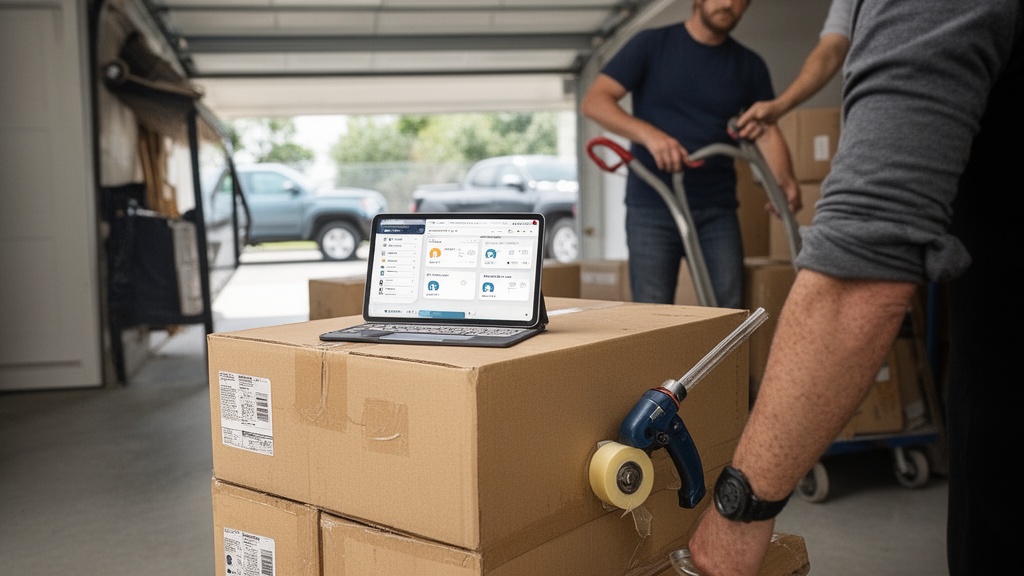
Here is the part most owners miss. You do not need more leads to grow. You need to convert more of the leads you already pay for.
Most moving companies lose a large share of inquiries to silence, not rejection. The prospect never said no — they simply never got a timely reply and booked elsewhere. Faster response recovers that lost inventory.
This reframes the entire economics of growth. Doubling ad spend is expensive and uncertain. Tightening response time costs little and compounds, because every recovered lead improves moving lead conversion on traffic you have already purchased.
The same logic applies to leads bought from third parties. If you are paying for shared moving leads from providers, speed is the only thing that separates you from the four other companies who bought the identical lead. The fastest dialer wins the job.
Pro Tip: Audit your dead leads from the last 90 days. Re-engage them with a single well-timed message. A meaningful slice will still be planning a move — and the re-contact costs you nothing but a few minutes.
Turning speed into a competitive advantage
Speed is hard for competitors to copy because it is operational, not cosmetic. Anyone can lower a price. Few can rebuild their intake process to answer every lead in minutes, consistently, forever.
That durability is what makes response time a real moat. While rivals fight on price and erode their margins, a fast-responding company wins on availability and trust — and keeps healthier pricing because it reaches buyers before the bidding war starts.

The companies that win this race treat intake as a system, not a chore. They pair instant automation with disciplined human follow-up and review their speed metrics weekly. For a deeper operational view, an operational efficiency playbook for movers shows how response speed connects to scheduling, surveys, and crew utilization.
The takeaway is simple. Faster lead response is the cheapest, most reliable lever a moving company has to book more jobs from the demand it already generates.
Related Articles
- CRM for Moving Companies: Streamline Operations — How a purpose-built CRM organizes leads, follow-ups, and invoices in one pipeline.
- Pricing Strategies for Moving Companies — Set rates that protect margin while staying competitive on fast quotes.
- Employee Retention Strategies for Moving Companies — Keep the experienced reps and crews who close leads and deliver moves.
- Sustainable Moving Practices to Grow Your Business — Build a greener operation that appeals to modern, eco-conscious clients.
Ready to see it in action?
Book a free 20-minute demo and explore how Virtual Estimate can help your business.